Understanding Why Your Cat Vomits: A Comprehensive Guide
As a cat owner, few sights are more concerning than finding your feline friend vomiting. Whether it's a one-time incident or a recurring problem, understanding the causes behind cat vomiting can help you provide better care and peace of mind. This article explores the common reasons, when to worry, and how to manage this issue effectively.
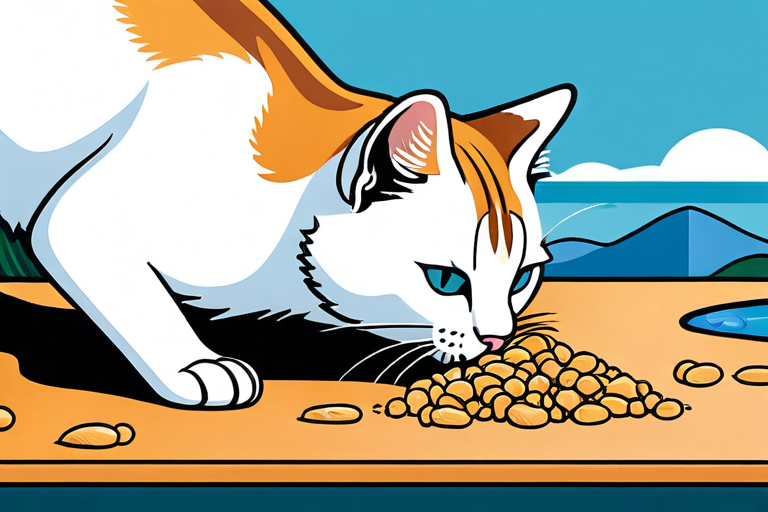
Illustration showing common causes of vomiting in cats
Common Causes of Vomiting in Cats
Vomiting in cats can stem from various factors, ranging from benign to serious. According to the Cornell Feline Health Center, the most frequent causes include:
- Hairballs: Cats groom themselves regularly, ingesting hair that can accumulate in their stomachs.
- Dietary Indiscretion: Eating too quickly, consuming spoiled food, or ingesting non-food items.
- Food Allergies or Intolerances: Some cats react negatively to certain ingredients in their diet.
- Infections: Viral or bacterial infections affecting the gastrointestinal tract.
- Parasites: Intestinal worms like roundworms or tapeworms.
- Chronic Conditions: Diseases such as kidney disease, hyperthyroidism, or inflammatory bowel disease.
The American Veterinary Medical Association (AVMA) notes that occasional vomiting might not be alarming, but persistent episodes require veterinary attention.
When to Seek Veterinary Help
While some vomiting is normal, certain signs indicate a need for professional evaluation. The Cornell Feline Health Center advises contacting your vet if you observe:
- Vomiting multiple times in a day or over several days.
- Blood in the vomit, which may appear red or like coffee grounds.
- Lethargy, loss of appetite, or weight loss accompanying vomiting.
- Signs of pain, such as vocalizing or hiding.
- Dehydration, indicated by dry gums or reduced skin elasticity.

A cat undergoing a veterinary examination for vomiting issues
Diagnostic Approaches
Veterinarians use various methods to diagnose the cause of vomiting. According to the Merck Veterinary Manual, common diagnostic steps include:
- Physical Examination: Checking for abdominal pain, dehydration, or other abnormalities.
- Blood Tests: Assessing organ function, electrolyte levels, and signs of infection.
- Imaging: X-rays or ultrasounds to visualize the gastrointestinal tract and other organs.
- Endoscopy or Biopsy: In chronic cases, to examine the stomach lining or obtain tissue samples.
Early diagnosis can prevent complications, as highlighted by the AVMA.
Treatment and Management Strategies
Treatment depends on the underlying cause. The Cornell Feline Health Center recommends:
- Dietary Changes: Switching to a bland or hypoallergenic diet, or feeding smaller, more frequent meals.
- Medications: Anti-nausea drugs, antibiotics for infections, or dewormers for parasites.
- Hydration Therapy: Fluids administered orally or intravenously for dehydrated cats.
- Surgery: In rare cases, such as for foreign body removal or tumor excision.
Home care, like providing a quiet environment and monitoring food intake, can also aid recovery.

A cat enjoying a balanced diet to prevent vomiting
Preventive Measures
Preventing vomiting involves proactive care. The AVMA suggests:
- Regular Grooming: Brushing your cat to reduce hair ingestion and hairball formation.
- Proper Nutrition: Feeding high-quality, age-appropriate food and avoiding sudden diet changes.
- Environmental Enrichment: Providing toys and activities to prevent stress-related vomiting.
- Routine Veterinary Visits: Annual check-ups to catch potential issues early.
According to the Merck Veterinary Manual, prevention is key to maintaining your cat's health.
Conclusion
Vomiting in cats is a common issue with diverse causes, from harmless hairballs to serious medical conditions. By understanding the potential reasons and knowing when to seek help, you can ensure your cat receives appropriate care. Always consult with a veterinarian for persistent or severe vomiting, as timely intervention can make a significant difference in your cat's well-being. For more information, refer to resources from the Cornell Feline Health Center and the AVMA.
Disclaimer: This article is for informational purposes only and is not a substitute for professional veterinary advice. Always consult with a licensed veterinarian for diagnosis and treatment of your cat's health issues.