Winter Pet Care: A Comprehensive Guide to Keeping Your Furry Friends Safe and Warm
As temperatures drop and snow begins to blanket the ground, our pets face unique challenges that require special attention. Unlike humans, dogs, cats, and other domestic animals can't simply put on an extra layer or adjust the thermostat. This guide draws from veterinary experts and animal welfare organizations to provide actionable strategies for winter pet care.
Understanding Cold Weather Risks for Pets
According to the American Veterinary Medical Association (AVMA), pets are susceptible to hypothermia when exposed to freezing temperatures for extended periods. Symptoms include shivering, lethargy, and weakness. Smaller breeds, senior animals, and those with short coats are particularly vulnerable.
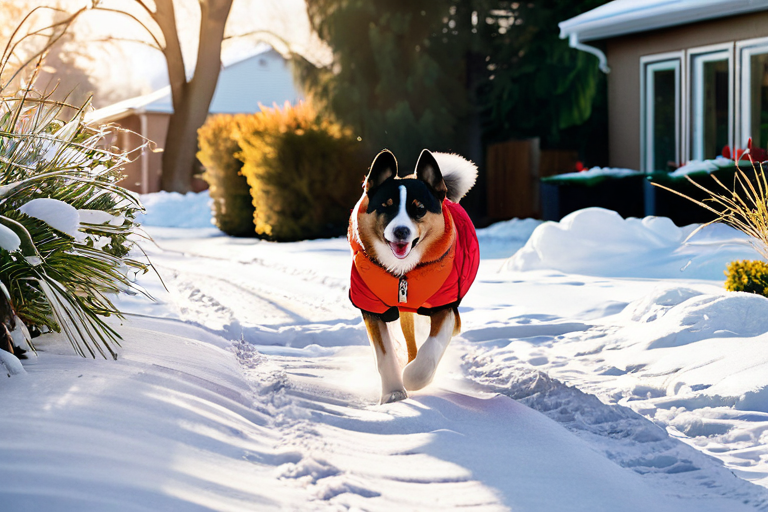
Proper winter gear can make outdoor activities safer for pets
Frostbite is another serious concern, often affecting ears, tails, and paws. The ASPCA notes that frostbitten skin may appear pale or gray and feel cold to the touch. If you suspect frostbite, wrap your pet in warm blankets and contact your veterinarian immediately.
Indoor Winter Care Strategies
While outdoor hazards are obvious, indoor environments present their own challenges during winter months:
- Heating Safety: Space heaters and fireplaces pose burn risks. The Humane Society recommends using pet-proof barriers around heat sources.
- Humidity Control: Indoor heating systems can dry out air, leading to skin irritation and respiratory issues. Consider using a humidifier to maintain 30-50% humidity.
- Exercise Alternatives: When outdoor walks aren't possible, create indoor obstacle courses or engage in interactive play sessions.
Nutritional needs may change in winter. Some pets require additional calories to maintain body heat, while less active pets may need reduced portions to prevent weight gain. Consult your veterinarian for personalized dietary advice.
Outdoor Safety Measures
For pets that spend time outdoors, these precautions are essential:
Paw Protection
Ice-melting chemicals can cause burns and toxicity if ingested during grooming. Use pet-safe deicers and consider protective booties. After walks, wipe paws with a damp cloth to remove salt and chemicals.
Shelter Requirements
Outdoor shelters should be insulated, raised off the ground, and sized appropriately—large enough for movement but small enough to retain body heat. Provide dry bedding and check water frequently to prevent freezing.

Indoor enrichment helps pets stay active during cold months
The PetMD veterinary team emphasizes that no pet should be left outdoors in freezing temperatures for extended periods, regardless of breed or coat type. Wind chill dramatically increases cold-weather risks.
Special Considerations for Different Pets
Emergency Preparedness
Winter storms can disrupt power and travel. Prepare a pet emergency kit containing:
- One-week supply of food and water
- Medications and medical records
- Extra blankets and warm bedding
- Flashlight with extra batteries
- Contact information for your veterinarian and emergency clinics
The Ready.gov pet preparedness guide recommends microchipping pets and ensuring identification tags are current, as pets can become disoriented in snowstorms.

A well-prepared emergency kit can be lifesaving during winter storms
Seasonal Health Monitoring
Regular veterinary check-ups are particularly important during winter. Discuss these topics with your veterinarian:
- Weight management adjustments for reduced activity levels
- Joint health supplements for arthritis-prone pets
- Skin and coat care to combat dryness
- Vaccination updates, especially if boarding during holidays
Monitor pets for signs of seasonal affective disorder (SAD), which can affect animals similarly to humans. Symptoms include lethargy, changes in appetite, and decreased interest in play. Increased indoor enrichment and maintaining regular routines can help.
Pro Tip from Veterinary Professionals
Create a "winter wellness calendar" with reminders for paw checks, bedding changes, and humidity monitoring. Preventive care reduces emergency visits and keeps pets comfortable throughout the season.
Conclusion: A Season of Cozy Care
Winter pet care requires thoughtful adaptation to changing conditions. By combining expert recommendations from veterinary organizations with attentive observation of your pet's individual needs, you can ensure a safe, comfortable winter season. Remember that each pet is unique—what works for one may not work for another. When in doubt, consult your veterinarian for personalized advice tailored to your pet's age, breed, and health status.
As the AVMA succinctly states: "If it's too cold for you, it's probably too cold for your pet." This simple guideline, combined with the detailed strategies outlined above, will help you navigate winter with confidence and keep your furry companions thriving through the coldest months.
Sources: American Veterinary Medical Association, ASPCA, Humane Society, PetMD, Ready.gov. Always consult with your veterinarian for specific medical advice regarding your pet's health.