Winter Wisdom: Understanding and Caring for Your Dog in Cold Weather
As temperatures drop and snow blankets the ground, our canine companions experience significant changes in behavior, physiology, and needs. This comprehensive guide explores the fascinating adaptations dogs make during winter months, backed by veterinary science and canine research.
The Science of Canine Cold Adaptation
Dogs possess remarkable physiological mechanisms that help them cope with winter conditions. According to American Kennel Club research, dogs maintain body temperature through several key adaptations:
- Vasoconstriction: Blood vessels in extremities constrict to reduce heat loss
- Piloerection: Fur stands up to create insulating air pockets
- Metabolic adjustments: Increased calorie burning for heat production
- Behavioral thermoregulation: Seeking shelter and curling into compact positions
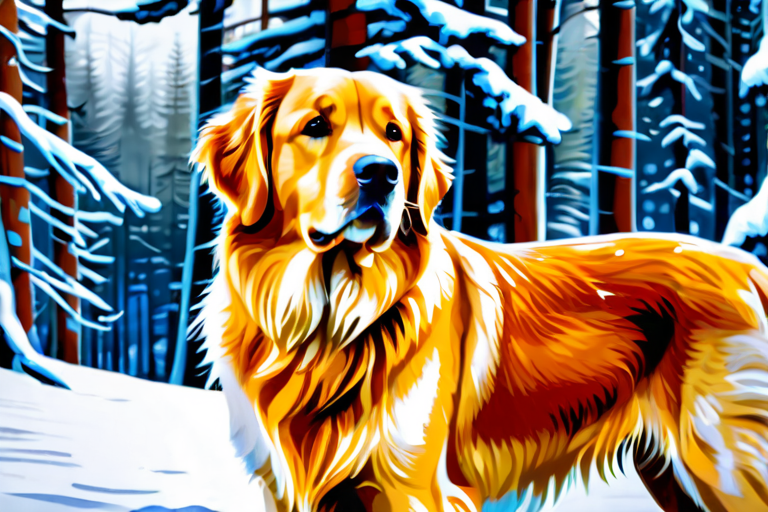
A double-coated breed demonstrates natural insulation capabilities in snowy conditions
Breed-Specific Winter Considerations
Not all dogs experience winter equally. The VCA Animal Hospitals categorizes dogs into three groups based on cold tolerance:
Cold-Resistant Breeds
Siberian Huskies, Alaskan Malamutes, and Saint Bernards thrive in cold with their dense double coats and historical adaptation to arctic conditions.
Moderate Tolerance
Labradors, German Shepherds, and most terrier breeds handle moderate cold but require monitoring in extreme conditions.
Cold-Sensitive Breeds
Greyhounds, Chihuahuas, and short-haired breeds need significant protection including coats and limited exposure.
Behavioral Changes in Winter Months
Winter significantly alters canine behavior patterns. Research from ASPCA identifies several consistent behavioral shifts:
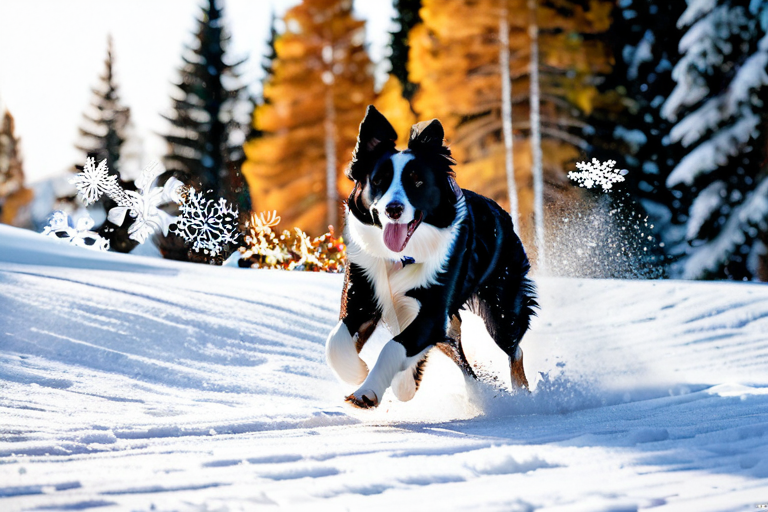
Many dogs exhibit increased playfulness in fresh snow despite the cold
Increased Sleep and Resting Time
Dogs naturally sleep more during winter, conserving energy for thermoregulation. This isn't laziness but an evolutionary adaptation. Average sleep increases by 1-2 hours daily compared to summer months.
Altered Eating Patterns
Many dogs experience increased appetite as their bodies work harder to maintain temperature. However, reduced activity levels can lead to weight gain if portions aren't adjusted. The PetMD veterinary team recommends monitoring weight monthly and adjusting food accordingly.
Social Behavior Modifications
Dogs may become more clingy or seek closer contact with owners for warmth. Some display increased territorial behavior around warm spaces like heating vents or fireplaces.
Essential Winter Care Strategies
Paw Protection Protocol
Ice, salt, and chemicals pose significant risks to canine paws. Implement these protective measures:
- Use pet-safe ice melt products around your home
- Wipe paws after walks to remove salt and chemicals
- Consider dog boots for extended outdoor activities
- Apply paw balm to prevent cracking and dryness
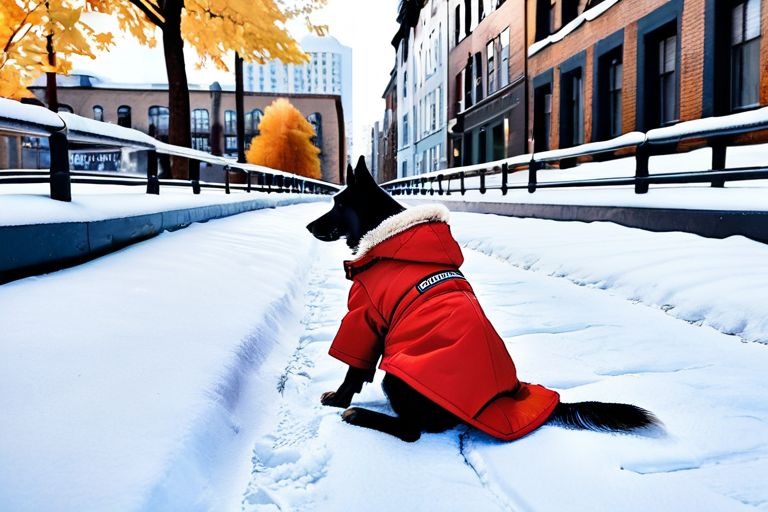
Proper winter gear can make outdoor activities safer and more comfortable
Hydration Management
Winter dehydration is a common but overlooked issue. Dogs may drink less water when it's cold, yet indoor heating increases fluid loss. Ensure fresh water is always available and consider adding warm broth to encourage drinking.
Exercise Adjustments
While outdoor exercise remains important, timing and duration should adapt to conditions. The American Veterinary Medical Association recommends:
- Walking during warmest parts of the day
- Shorter, more frequent walks instead of long sessions
- Indoor enrichment activities on extremely cold days
- Monitoring for shivering or lifting paws (signs of cold stress)
Winter Health Concerns and Prevention
Creating a Winter-Ready Environment
Your home environment plays a crucial role in your dog's winter comfort. Consider these modifications:
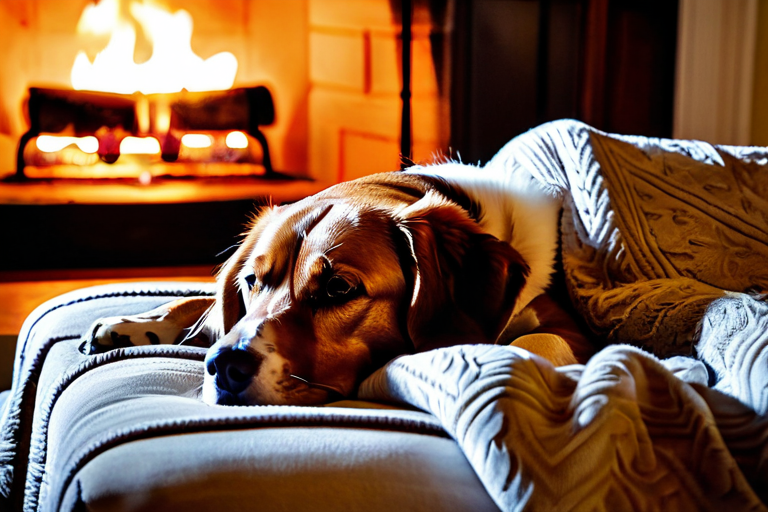
A warm, elevated bed away from drafts provides optimal winter comfort
Indoor Comfort Zones
Create designated warm areas with orthopedic beds, raised platforms away from drafts, and additional blankets. Elderly or arthritic dogs particularly benefit from heated pet beds (used with supervision).
Grooming Adjustments
Contrary to intuition, regular grooming remains essential. Matted fur loses insulating properties. However, avoid shaving double-coated breeds as their undercoat provides crucial insulation.
Mental Stimulation Solutions
When outdoor time decreases, prevent boredom with puzzle toys, scent games, training sessions, and food-dispensing toys that provide both mental and physical engagement.
Expert Winter Tip
"Monitor your dog's water intake closely during winter. The combination of dry indoor air and cold temperatures can lead to subtle dehydration that affects energy levels and coat quality." - AVMA Veterinary Guidelines
Conclusion: Embracing Winter Together
Understanding your dog's winter adaptations transforms cold months from a challenge into an opportunity for bonding and observation. By recognizing breed-specific needs, monitoring behavioral changes, and implementing protective measures, you ensure your canine companion remains healthy, happy, and comfortable throughout the season.
Remember that each dog is unique. What works for a Siberian Husky may not suit a Italian Greyhound. Regular observation, veterinary consultation for specific concerns, and gradual adaptation to changing conditions will help you and your dog make the most of winter's beauty while minimizing its challenges.