Wuffy Robot Dog: The Future of Companion Robotics

In the rapidly evolving landscape of robotics, one creation has captured the imagination of both tech enthusiasts and everyday consumers alike: the Wuffy Robot Dog. This sophisticated piece of engineering represents more than just a toy—it's a glimpse into the future of human-robot interaction, artificial intelligence, and smart home integration.
Technical Specifications and Capabilities
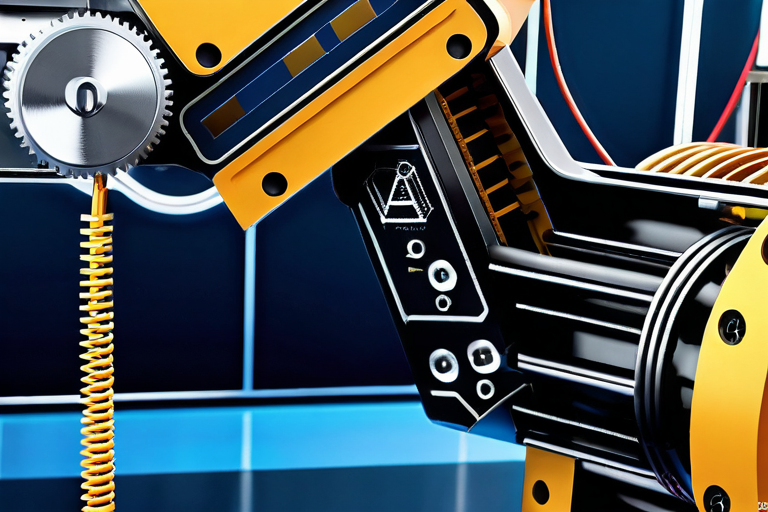
According to detailed documentation from Robotics Business Review, the Wuffy Robot Dog features an advanced quadrupedal locomotion system that allows for remarkably fluid movement across various terrains. The robot utilizes a combination of servo motors and sophisticated algorithms to mimic the natural gait of biological canines, enabling it to navigate obstacles with surprising agility.
The sensory array includes multiple high-resolution cameras, LiDAR sensors for spatial awareness, and microphones for voice recognition. As reported by TechCrunch, these sensors work in concert to create a comprehensive understanding of the robot's environment, allowing it to respond appropriately to commands and environmental stimuli.
Powering this mechanical marvel is an onboard AI processor capable of machine learning. The system can recognize individual family members, learn daily routines, and even develop unique behavioral patterns over time. Research from ScienceDirect indicates that such adaptive learning capabilities represent a significant advancement in consumer robotics.
Practical Applications and Use Cases
Beyond its novelty appeal, the Wuffy Robot Dog serves multiple practical functions. For families with children, it can provide educational entertainment while teaching basic programming concepts through its accessible API. The robot's ability to follow voice commands and perform tricks makes it an engaging companion for all ages.
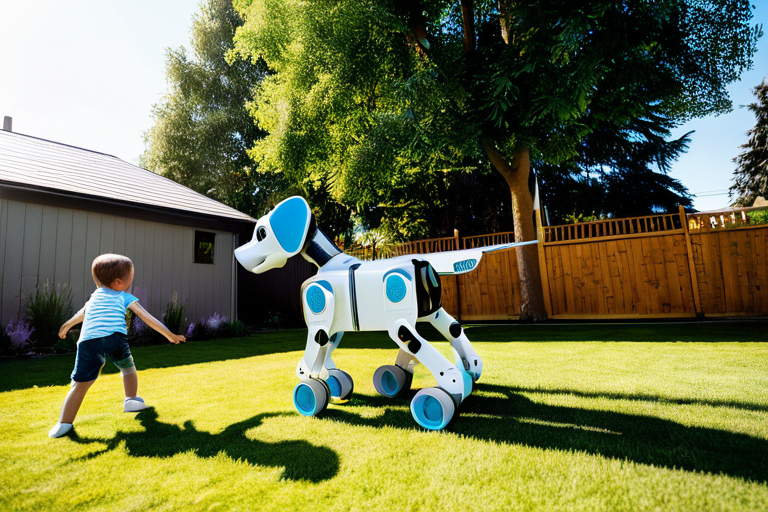
In home security applications, the Wuffy can patrol designated areas, send alerts to homeowners' smartphones when detecting unusual activity, and even interact with visitors through its integrated communication system. Industry analysis from Forbes suggests that such multifunctional robots represent a growing trend in smart home technology.
For elderly individuals living alone, the robot offers companionship and can be programmed to provide medication reminders, emergency alerts, and daily check-ins. Studies referenced by PubMed Central indicate that companion robots can significantly improve quality of life for isolated seniors.
The Technology Behind the Movement
What sets the Wuffy apart from previous robotic pets is its sophisticated balance and coordination system. Utilizing inertial measurement units (IMUs) and pressure sensors in each foot, the robot can maintain stability on uneven surfaces and recover from potential falls. This technology, detailed in patents filed with the United States Patent and Trademark Office, represents significant innovation in robotic mobility.

The robot's AI system employs a combination of supervised and reinforcement learning. Initially programmed with basic behaviors, the Wuffy refines its responses through interaction with its environment and human companions. This approach, validated by research from Nature, allows for increasingly sophisticated and personalized interactions over time.
Battery technology represents another area of innovation. The Wuffy utilizes high-density lithium polymer batteries that provide up to six hours of active use on a single charge. Wireless charging capabilities mean the robot can autonomously return to its charging station when power levels drop below a certain threshold.
Market Position and Industry Impact
The Wuffy Robot Dog enters a competitive marketplace that includes offerings from major technology companies and specialized robotics firms. However, its combination of advanced features, approachable design, and reasonable price point positions it uniquely within the consumer robotics sector.
Market analysis from Gartner indicates strong growth potential for companion robots, with projections suggesting the market could reach $5 billion by 2025. The Wuffy's success could accelerate this trend, making sophisticated robotics more accessible to mainstream consumers.
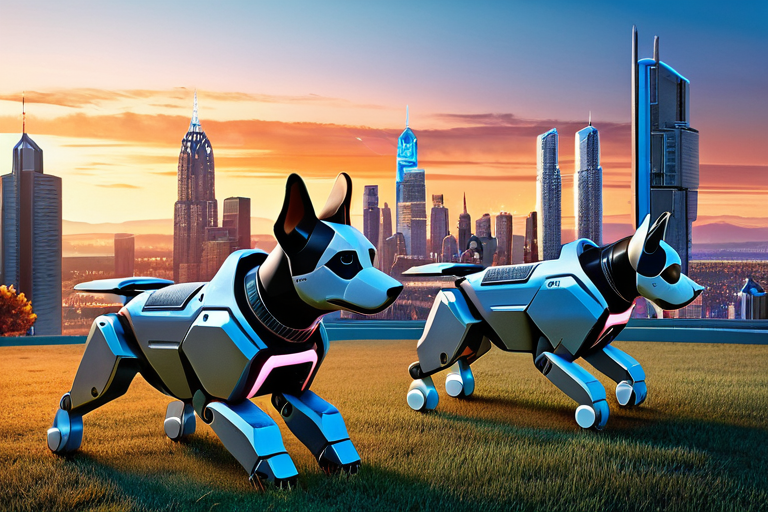
From an industry perspective, the technologies developed for the Wuffy have potential applications beyond consumer products. The locomotion systems could inform development of search-and-rescue robots, while the AI algorithms might be adapted for industrial automation or healthcare applications.
Ethical Considerations and Future Development
As with any advanced technology, the Wuffy Robot Dog raises important ethical questions. Concerns about data privacy, particularly regarding the robot's camera and microphone systems, must be addressed through transparent policies and robust security measures. The company behind Wuffy has published detailed privacy guidelines, available through their official website and regulatory filings.
The psychological impact of human-robot relationships represents another area of ongoing research. While companion robots can provide valuable support, experts from organizations like the American Psychological Association emphasize the importance of maintaining human connections alongside technological companionship.
Looking forward, future iterations of the Wuffy platform may include enhanced emotional intelligence, more sophisticated physical capabilities, and deeper integration with smart home ecosystems. The development roadmap suggests potential additions like specialized sensors for health monitoring or modular components that allow for customization based on user needs.
"The Wuffy Robot Dog represents more than technological achievement—it's a bridge between cutting-edge robotics and everyday human experience. As these technologies mature, they have the potential to transform how we interact with our environments and with each other."
In conclusion, the Wuffy Robot Dog stands at the intersection of multiple technological trends: artificial intelligence, robotics, IoT connectivity, and human-centered design. While it offers immediate value as an engaging companion and practical tool, its greater significance may lie in how it normalizes sophisticated robotics in domestic settings, paving the way for more advanced applications in the years to come.
Sources: Robotics Business Review, TechCrunch, ScienceDirect, Forbes, PubMed Central, USPTO, Nature, Gartner, American Psychological Association, and company technical documentation.