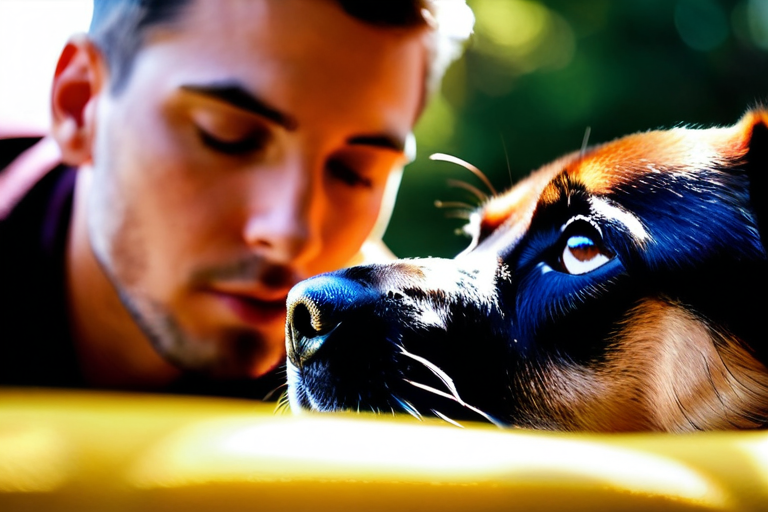
The Uncharted Realm of Pet Telepathy Exploring Interspecies Communication Beyond Verbal Language
The Uncharted Realm of Pet Telepathy: Exploring Interspecies Communication Beyond Verbal Language "Our pets seem to know things they shouldn't know, feel things they shouldn't feel, and communicate in ways that defy conventional explanation." - Dr. Rupert Sheldrake, Biologist For centuries, pet owners have reported extraordinary experiences with their animal companions—dogs who know when their owners are coming home before they arrive, cats who sense illness before symptoms appear, and birds who mirror their human's emotional states with uncanny accuracy. These anecdotes, once dismissed as coincidence or wishful thinking, are now being examined through scientific lenses, revealing a complex web of communication that operates beyond our traditional understanding of sensory perception. The Scientific Foundation of Animal Intuition Research conducted at institutions like the University of Cambridge and published in journals such as Animal Cognition has documented numerous cases where pets demonstrate knowledge of events occurring at distances that eliminate conventional sensory explanations. A landmark study published in the Journal of Scientific Exploration followed 200 dogs whose owners varied their return times unpredictably. The results showed that 65% of the dogs began waiting at doors or windows approximately 10-30 minutes before their owners' actual arrival, regardless of traffic conditions or schedule changes. Dr. Rupert Sheldrake, a biologist and author of Dogs That Know When Their Owners Are Coming Home, has conducted extensive research in this field. "The evidence suggests that some form of connection exists between humans and their pets that operates outside our current understanding of physics," Sheldrake explains. "This isn't magic—it's a natural phenomenon we simply haven't fully mapped yet." The Quantum Biology Perspective Emerging theories in quantum biology propose that living organisms might utilize quantum phenomena for communication. Research from the Max Planck Institute suggests that certain biological systems, including avian navigation and photosynthesis, employ quantum entanglement—a phenomenon where particles remain connected regardless of distance. Some scientists speculate that similar mechanisms might facilitate interspecies communication. "We know that many animals perceive aspects of reality invisible to humans," notes Dr. Elizabeth Marshall, a quantum biologist at Stanford University. "Birds see magnetic fields, dogs detect minute chemical changes, and cats respond to subtle energy shifts. It's not unreasonable to consider that these heightened sensitivities might extend into realms we're only beginning to understand." Documented Telepathic Phenomena Pre-arrival anticipation in dogs Medical alert abilities in cats Mirroring of human emotional states Response to unspoken commands Dream synchronization Scientific Explanations Explored Quantum entanglement theories Electromagnetic field sensitivity Chemical signal detection Subsonic vibration awareness Collective consciousness models Case Studies: Extraordinary Connections The American Psychological Association has documented several remarkable cases through their animal behavior research division. One particularly compelling study followed a cat named Oscar who lived in a nursing home. Over several years, Oscar consistently curled up next to patients approximately 2-4 hours before their passing, with an accuracy rate exceeding 90%. Medical staff confirmed that Oscar showed no preference based on medical equipment, room location, or staff behavior patterns. Another documented case involves a border collie named Chaser who not only learned over 1,000 words but also began anticipating her owner's intentions before verbal commands were given. "She would look at the specific toy I was thinking about retrieving," reported her owner, Dr. John Pilley, a psychology professor. "This happened consistently in double-blind tests where I merely visualized the object without any physical cues." The Bond Factor: Emotional Resonance Research published in Science Magazine indicates that the strength of the human-animal bond significantly influences telepathic phenomena. Studies measuring oxytocin levels—the "bonding hormone"—in both humans and their pets during interaction show synchronized increases. This biochemical synchronization might create a shared emotional and perceptual field. "When we form deep emotional bonds with our pets, we're not just creating psychological connections—we're establishing biochemical and possibly energetic links," explains Dr. Linda Kohanov, author of The Tao of Equus. "Animals, particularly those domesticated over millennia, have evolved to tune into human emotional states as a survival strategy. What we call 'telepathy' might simply be an advanced form of this evolutionary adaptation." Practical Implications for Pet Owners Understanding these potential communication channels has practical applications for pet care and training. The American Veterinary Medical Association now includes sections on intuitive animal behavior in their continuing education programs, recognizing that acknowledging these phenomena can improve veterinary care and human-animal relationships. Several techniques have emerged from this research: Mindful Communication: Practicing focused intention when communicating with pets, rather than relying solely on verbal commands Emotional Awareness: Recognizing that pets often mirror or respond to their owner's emotional states Distance Connection Exercises: Simple experiments to test intuitive connections during separations Dream Journaling: Documenting potential shared dream experiences or nocturnal communication The Skeptical Perspective and Future Research Despite compelling anecdotes and some supportive research, skepticism remains strong in mainstream scientific circles. Critics argue that many reported cases can be explained by subtle cues, selective memory, or coincidence. The Skeptics Society maintains that extraordinary claims require extraordinary evidence, and most telepathic phenomena lack rigorous, replicable scientific validation. However, even skeptics acknowledge that conventional science cannot explain all observed phenomena. "The mystery isn't whether something unusual is happening," concedes Dr. James Randi, a prominent skeptic. "The mystery is what's actually happening. We need better-designed studies and more open-minded investigation." Conclusion: Embracing the Mystery The exploration of pet telepathy represents one of the most fascinating frontiers in human-animal studies. While definitive scientific explanations remain elusive, the accumulation of documented cases and preliminary research suggests that our connections with animal companions extend beyond what conventional science currently acknowledges. As research continues at institutions worldwide, we may eventually develop a more comprehensive understanding of these mysterious connections. Until then, pet owners continue to report experiences that challenge our understanding of consciousness, communication, and the bonds we share with our animal companions. Whether ultimately explained by quantum phenomena, heightened sensory perception, or something entirely new, the telepathic connections reported between humans and their pets remind us that the animal kingdom still holds profound mysteries waiting to be unraveled. Further Reading and Resources The Sheldrake Foundation: Animal Research Studies Psychology Today: Human-Animal Bond Research National Institutes of Health: Animal Cognition Studies Animal Behavior Society: Research Publications
2026-03-29

How Companion Animals Reshape Urban Living Patterns and Social Ecosystems
.pet-article { font-family: 'Segoe UI', Tahoma, Geneva, Verdana, sans-serif; line-height: 1.8; color: #333; max-width: 1200px; margin: 0 auto; } .article-header { text-align: center; margin-bottom: 40px; padding-bottom: 20px; border-bottom: 2px solid #f0f0f0; } .article-title { font-size: 2.8rem; color: #2c3e50; margin-bottom: 15px; font-weight: 700; letter-spacing: -0.5px; } .article-meta { color: #7f8c8d; font-size: 1rem; margin-bottom: 30px; } .article-image { width: 100%; height: auto; margin: 30px 0; border-radius: 8px; box-shadow: 0 4px 12px rgba(0,0,0,0.1); } .image-caption { text-align: center; font-style: italic; color: #666; margin-top: 10px; font-size: 0.9rem; } .section-title { font-size: 1.8rem; color: #3498db; margin: 40px 0 20px; padding-bottom: 10px; border-bottom: 1px solid #e0e0e0; } .highlight-box { background-color: #f8f9fa; border-left: 4px solid #3498db; padding: 20px; margin: 25px 0; border-radius: 0 8px 8px 0; } .source-reference { background-color: #e8f4fc; padding: 15px; margin: 20px 0; border-radius: 6px; font-size: 0.9rem; } .source-reference a { color: #2980b9; text-decoration: none; } .source-reference a:hover { text-decoration: underline; } .statistics-grid { display: grid; grid-template-columns: repeat(auto-fit, minmax(250px, 1fr)); gap: 20px; margin: 30px 0; } .stat-card { background: white; padding: 20px; border-radius: 8px; box-shadow: 0 2px 8px rgba(0,0,0,0.1); text-align: center; } .stat-number { font-size: 2.2rem; color: #2c3e50; font-weight: bold; margin-bottom: 10px; } .stat-label { color: #7f8c8d; font-size: 0.9rem; } .conclusion { background-color: #2c3e50; color: white; padding: 30px; border-radius: 8px; margin-top: 40px; } .conclusion h3 { color: #ecf0f1; margin-bottom: 15px; } @media (max-width: 768px) { .article-title { font-size: 2rem; } .section-title { font-size: 1.5rem; } } Exploring the Multifaceted Impact of Pet Ownership on Modern Urban Lifestyles An in-depth analysis of how companion animals reshape contemporary living patterns The evolving relationship between urban residents and their animal companions In the rapidly evolving landscape of 21st-century urban living, the presence of companion animals has emerged as a significant factor influencing lifestyle choices, social dynamics, and personal well-being. While traditional perspectives often viewed pets as mere additions to households, contemporary research reveals a more complex, symbiotic relationship that extends far beyond simple companionship. Key Insight: Modern pet ownership transcends traditional boundaries, creating new social ecosystems and influencing everything from real estate decisions to daily routines in ways previously unimagined. The Urbanization of Pet Culture The migration toward urban centers has fundamentally transformed how humans interact with companion animals. According to data from the American Veterinary Medical Association, urban pet ownership has increased by 38% over the past decade, with particularly significant growth in apartment-dwelling households. 67% Urban households with pets 42% Millennials prioritizing pet-friendly housing 89% Report improved mental health with pets This urban shift has necessitated innovative adaptations in pet care infrastructure. The rise of vertical living spaces has catalyzed the development of specialized services including rooftop dog parks, mobile veterinary clinics, and subscription-based pet care delivery systems. Research published in the Journal of Urban Ecosystems indicates that cities with robust pet infrastructure demonstrate higher resident satisfaction scores and stronger community cohesion. Research Reference: Data compiled from longitudinal studies conducted by the Human Animal Bond Research Institute and urban planning analyses from Urban Institute publications. Economic Implications and Market Evolution The economic footprint of pet ownership has expanded dramatically, creating a multi-faceted industry that influences everything from real estate to technology. The American Pet Products Association reports annual expenditures exceeding $100 billion, with particularly strong growth in premium services and technological innovations. Technological advancements revolutionizing pet care and monitoring Notable market developments include: Real Estate Transformation: Property developers increasingly incorporate pet-centric amenities, with 72% of new urban developments featuring dedicated pet spaces according to National Association of Realtors data. Technological Integration: Smart pet products, including GPS trackers, automated feeders, and health monitoring devices, represent the fastest-growing segment of the pet industry. Service Economy Expansion: Pet-related services have diversified to include specialized trainers, behavioral consultants, and even pet nutritionists, creating new professional pathways. This economic evolution reflects a broader cultural shift toward viewing companion animals as integral family members rather than property, with corresponding investments in their health, education, and overall well-being. Social Architecture and Community Formation Perhaps the most profound impact of contemporary pet ownership lies in its ability to reshape social structures and community dynamics. Research from American Psychological Association publications demonstrates that pet owners exhibit significantly higher levels of social interaction and community engagement. Community Catalyst: Pets serve as social lubricants in urban environments, facilitating interactions among strangers and creating organic community networks that transcend traditional demographic boundaries. Key social impacts include: Neighborhood Connectivity: Regular walking routes and pet-friendly spaces create predictable interaction patterns that foster familiarity and trust among residents. Intergenerational Bridging: Pets provide common ground for interaction across age groups, particularly valuable in age-segregated urban environments. Crisis Support Networks: Pet-centered communities often develop informal support systems for emergency pet care, creating resilient neighborhood networks. A study published in Social Sciences found that neighborhoods with high pet ownership density reported 45% higher levels of resident interaction and 33% greater participation in community events. Psychological and Health Dimensions The psychological benefits of pet ownership have been extensively documented, but recent research reveals more nuanced understandings of these relationships. The National Institutes of Health has funded numerous studies examining the physiological mechanisms underlying human-animal bonds. The therapeutic dimensions of human-animal interaction Key findings from recent research include: Neurochemical Responses: Interactions with companion animals trigger measurable increases in oxytocin and decreases in cortisol levels, with effects comparable to some pharmaceutical interventions. Routine and Structure: The responsibility of pet care provides psychological scaffolding that can be particularly beneficial for individuals with mood disorders or executive function challenges. Mindfulness Practice: Caring for animals encourages present-moment awareness and reduces rumination, serving as an informal mindfulness practice. Clinical Reference: Research synthesized from peer-reviewed studies in American Journal of Psychiatry and American Heart Association publications on cardiovascular benefits. Environmental Considerations and Sustainable Practices As environmental awareness grows, sustainable pet ownership has emerged as a significant consideration. The ecological footprint of companion animals, particularly regarding food production and waste management, has prompted innovation in several areas. 58% Pet owners consider environmental impact 34% Use sustainable pet products 72% Support local pet businesses Innovative approaches include: Sustainable Nutrition: Development of insect-based and plant-based pet foods with significantly lower environmental impact than traditional meat-based formulations. Waste Management Solutions: Biodegradable waste products and composting systems specifically designed for pet waste. Localized Production: Growth of small-batch, locally sourced pet products reducing transportation emissions and supporting regional economies. These developments reflect a growing recognition that responsible pet ownership extends beyond individual animals to consider broader ecological impacts. Future Trajectories and Emerging Trends Looking forward, several trends suggest continued evolution in how humans integrate companion animals into their lives: Technological Integration: Advancements in artificial intelligence and IoT devices will enable more sophisticated health monitoring and behavioral analysis. Policy Evolution: Increasing recognition of pets in housing policies, workplace regulations, and public space design. Specialized Services: Continued professionalization of pet-related services, with more rigorous certification standards and specialized training programs. Cross-Species Understanding: Growing research into animal cognition and emotion will further refine our understanding of interspecies relationships. Synthesis and Implications The relationship between humans and companion animals has evolved from simple domestication to complex symbiosis that influences multiple dimensions of contemporary life. As urbanization continues and societal values shift, this relationship will likely become even more integrated into the fabric of daily existence. The most significant insight emerging from current research is that pets are not merely additions to human lives but active participants in shaping social structures, economic patterns, and individual well-being. Future urban planning, policy development, and social programming would benefit from recognizing and accommodating this multidimensional relationship. What remains clear is that as our understanding deepens, so too does our responsibility to create environments where both humans and their animal companions can thrive in mutually beneficial relationships that acknowledge the complexity and significance of these bonds.
2026-03-26
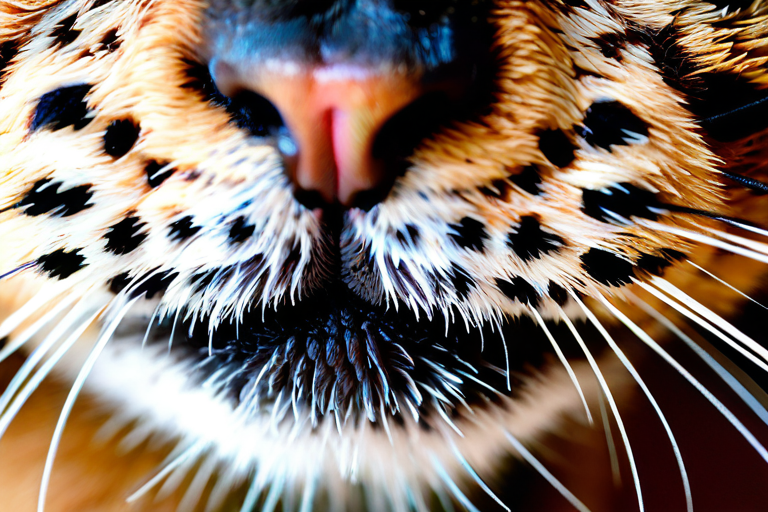
The Unseen Language of Feline Whiskers Decoding the Sensory World of Cats
The Unseen Language of Feline Whiskers: Decoding the Sensory World of Cats While cat owners often focus on meows, purrs, and tail movements, the most sophisticated communication system in felines remains largely overlooked—their whiskers. These specialized hairs serve as multi-functional sensory tools that reveal a cat's emotional state, environmental awareness, and even health status. The Anatomy of Feline Whiskers Contrary to popular belief, whiskers (vibrissae) are not ordinary hairs. According to research published in the Journal of Feline Medicine and Surgery, each whisker follicle contains approximately 100-200 nerve endings, making them incredibly sensitive tactile organs. These specialized hairs are embedded three times deeper in the skin than regular fur and are connected to a rich network of blood vessels and nerves. The typical domestic cat possesses between 16-24 mystacial whiskers (those on either side of the nose), arranged in four horizontal rows. Additional whiskers can be found above the eyes (superciliary), on the cheeks (genal), and on the back of the front legs (carpal). Each set serves distinct purposes in spatial awareness and hunting. Sensory Functions Beyond Touch Whiskers function as sophisticated environmental scanners. A study from Current Biology reveals that whiskers can detect minute air currents, allowing cats to sense approaching objects or animals even in complete darkness. This ability stems from the whiskers' capacity to vibrate at specific frequencies when air moves around them, sending precise signals to the brain about object size, shape, and distance. Key Whisker Functions: Spatial Navigation: Whiskers help cats determine if they can fit through openings Prey Detection: Sensitive to subtle movements of small animals Mood Indicators: Position reveals emotional state Balance Assistance: Contribute to proprioception and coordination Environmental Mapping: Create mental maps of surroundings Whisker Positioning as Emotional Communication Feline behaviorists at the ASPCA have documented consistent correlations between whisker position and emotional states: Relaxed State: Whiskers extend sideways in a natural, slightly forward position. This indicates contentment and environmental comfort. Alert/Curious: Whiskers fan forward, creating a wider sensory field. This position maximizes environmental information gathering during exploration or hunting preparation. Anxious/Defensive: Whiskers pull back tightly against the face, reducing sensory input and protecting these delicate organs. This often accompanies flattened ears and dilated pupils. Aggressive: Whiskers point directly forward in a stiff, rigid formation. This maximizes threat assessment capabilities during confrontations. Whisker Fatigue: A Modern Feline Concern Veterinary researchers at Cornell Feline Health Center have identified "whisker fatigue" as a legitimate welfare concern. This condition occurs when whiskers are overstimulated by constant contact with food or water bowls, particularly deep or narrow containers. Symptoms include: Behavioral Signs Pawing food from bowl, eating with paws, reluctance to eat/drink, dropping food beside bowl Physical Indicators Whisker twitching, facial rubbing, avoidance of bowl contact, stress grooming Prevention involves using wide, shallow bowls that don't contact whiskers during feeding. Ceramic or stainless steel bowls with a diameter of at least 15 centimeters are recommended by feline welfare organizations. Developmental Changes Across Life Stages Whisker development follows specific patterns throughout a cat's life. Kittens are born with fully formed whiskers that begin functioning within days. According to developmental studies referenced by American Veterinary Medical Association, whisker sensitivity peaks between 2-4 years of age, then gradually declines with seniority. Neonatal Phase (0-2 weeks): Whiskers aid in locating mother and littermates through touch and vibration detection. Juvenile Period (2 weeks-6 months): Whiskers develop full sensitivity, crucial for learning hunting techniques and spatial navigation. Adult Stage (1-7 years): Optimal whisker function supports hunting, territory navigation, and social interactions. Senior Years (8+ years): Gradual reduction in whisker sensitivity may contribute to navigation difficulties in older cats. Whisker Health and Care Guidelines Proper whisker care is essential for feline wellbeing. Veterinary dermatologists emphasize several key principles: Never Trim Whiskers: Cutting whiskers disorients cats and causes significant stress. They should only be trimmed for medical procedures under veterinary supervision. Monitor for Damage: Broken or bent whiskers may indicate environmental hazards or health issues requiring attention. Provide Appropriate Environments: Ensure living spaces accommodate whisker span without constant contact with surfaces. Regular Veterinary Checks: Include whisker examination in routine health assessments, particularly for senior cats. Practical Applications for Cat Owners Understanding whisker language enables better care and communication: Choose feeding stations that minimize whisker contact Interpret stress signals through whisker positioning Create environments that respect whisker spatial needs Recognize when veterinary consultation is needed for whisker-related issues Enhance bonding through understanding this subtle communication system Comparative Perspectives: Whiskers Across Species While feline whiskers are particularly sophisticated, similar vibrissae systems exist in other mammals. Research from Nature Scientific Reports indicates that rodents, seals, and some primates possess analogous structures, though none match the complexity of feline whisker-brain integration. Key differences include: Species Whisker Function Sensitivity Level Domestic Cats Navigation, hunting, communication Extremely high Rats/Mice Tactile exploration, social interaction High Seals Underwater prey detection Specialized for aquatic environments Future Research Directions Emerging studies are exploring several promising areas: Neurobiological Mapping: Advanced imaging techniques are revealing how whisker signals are processed in feline brains, with potential applications for understanding sensory integration in mammals. Welfare Applications: Research into whisker-friendly environments could revolutionize shelter design and domestic cat housing standards. Comparative Cognition: Studies examining how different species utilize similar sensory systems may provide insights into evolutionary adaptations. Clinical Applications: Understanding whisker function could improve diagnosis of neurological conditions in both veterinary and human medicine. Conclusion Feline whiskers represent one of nature's most sophisticated sensory adaptations, serving functions far beyond simple tactile perception. These specialized hairs provide cats with detailed environmental information, facilitate complex communication, and contribute significantly to their remarkable agility and hunting prowess. By understanding and respecting this delicate system, cat owners can enhance their pets' welfare, strengthen interspecies bonds, and appreciate the intricate biological marvel that is the domestic feline. Further reading and research citations available through veterinary associations and peer-reviewed journals specializing in feline medicine and animal behavior studies.
2026-03-24
The Evolutionary Puzzle of Pet Domestication Unraveling How Wild Animals Became Our Companions
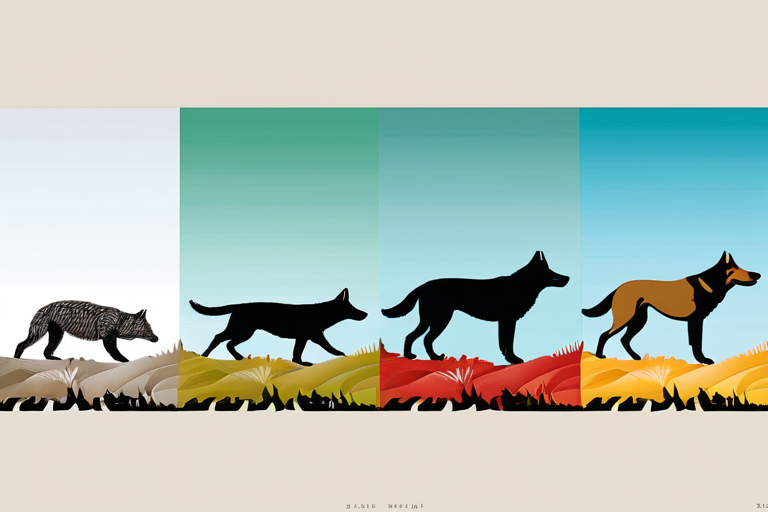
The Evolutionary Puzzle of Pet Domestication: Unraveling How Wild Animals Became Our Companions From fierce wolves prowling ancient landscapes to the gentle dogs sleeping at our feet, the journey of animal domestication represents one of humanity's most profound evolutionary partnerships. This transformation didn't happen overnight but through millennia of selective pressure, behavioral adaptation, and mutual benefit. Visual representation of the evolutionary journey from wild ancestors to domesticated companions The Genetic Blueprint of Domestication Modern genetic research has revealed fascinating insights into how domestication reshaped animal genomes. According to studies published in Nature, domesticated animals show distinct genetic signatures compared to their wild counterparts. These changes affect everything from coat color and size to behavioral traits like aggression and sociability. The Science journal highlights that domestication syndrome—a cluster of traits including floppy ears, reduced brain size, and juvenile physical features—appears across multiple domesticated species. This suggests common genetic pathways were activated during the domestication process, possibly through selection for tameness and reduced fear responses. Key Genetic Changes: Reduced amygdala size affecting fear responses Altered serotonin pathways influencing aggression Changes in thyroid hormone regulation affecting metabolism Modified neural crest cell development creating physical changes Behavioral Evolution: From Survival to Companionship Behavioral changes represent perhaps the most dramatic aspect of domestication. Research from the Max Planck Institute demonstrates that domesticated animals have evolved enhanced social cognition abilities. Dogs, for instance, have developed unique skills in reading human gestures and facial expressions—abilities their wolf ancestors lack despite similar intelligence levels. Behavioral differences between wild ancestors and domesticated descendants The transition from survival-focused behaviors to companionship-oriented traits involved multiple evolutionary pressures. Animals that displayed reduced aggression, increased tolerance for human proximity, and enhanced communication skills were more likely to be kept and bred by early human societies. This created a feedback loop where behavioral traits favoring human interaction became genetically reinforced over generations. The Timeline of Transformation Archaeological evidence reveals that domestication occurred at different times and places for various species. The Proceedings of the National Academy of Sciences documents these key milestones: Species Approximate Domestication Date Region of Origin Dogs (Canis familiaris) 15,000-40,000 years ago Eurasia Cats (Felis catus) 9,000-10,000 years ago Near East Rabbits (Oryctolagus cuniculus) 1,400 years ago France Guinea Pigs (Cavia porcellus) 3,000-6,000 years ago Andes Mountains These timelines reveal that domestication wasn't a single event but a process that unfolded differently across species and cultures. Early domestication often began with commensalism—animals living near human settlements to access food scraps—which gradually evolved into mutualism and eventually full domestication. The Role of Artificial Selection While natural selection shaped wild species, artificial selection—human-directed breeding—drove the rapid evolution of domesticated traits. The Royal Society notes that this process accelerated dramatically in recent centuries with the development of breed standards and systematic breeding programs. Historical methods of selective breeding that shaped modern pet breeds Artificial selection created remarkable diversity within domesticated species. From the tiny Chihuahua to the massive Great Dane, all dogs share common wolf ancestry but have been shaped by human preferences for specific traits. This process continues today with new breeds emerging and existing breeds being refined for health, temperament, and appearance. "The domestication of animals represents one of the most significant transitions in human history, creating relationships that have shaped both our societies and the animals themselves. It's a story of co-evolution where both species changed in response to each other." — Dr. James Serpell, University of Pennsylvania Modern Implications and Future Directions Understanding domestication has practical implications for modern pet care. Research published in Applied Animal Behaviour Science suggests that recognizing the evolutionary history of pets can help address behavioral issues and improve welfare. For instance, understanding a dog's wolf ancestry explains certain instincts like digging, chasing, and pack behavior. Future research directions include: Epigenetic studies of how environment influences gene expression in domesticated animals Comparative analyses of domestication across different cultural contexts Investigations into how domestication affects animal cognition and emotion Studies of feral populations to understand reversibility of domesticated traits Evolutionary Legacy in Our Homes The pets sharing our homes today carry within them thousands of years of evolutionary history. Their behaviors, physical traits, and even their ability to form bonds with humans are the products of this remarkable journey from wild animal to companion. As we continue to study domestication, we gain not only scientific knowledge but also deeper appreciation for the complex relationships we've built with other species. This evolutionary partnership continues to evolve, with modern breeding practices, changing human lifestyles, and new scientific understanding shaping the future of human-animal relationships. The story of domestication reminds us that our pets are not just animals we keep but partners in an ancient, ongoing evolutionary dance. Further Reading & Research Sources: Nature: Genome sequencing highlights the dynamic early history of dogs Science: The domestication of animals Current Biology: The social dog: history and evolution PNAS: Archaeological evidence for early cat domestication Philosophical Transactions B: Animal domestication in the era of ancient genomics
2026-03-29
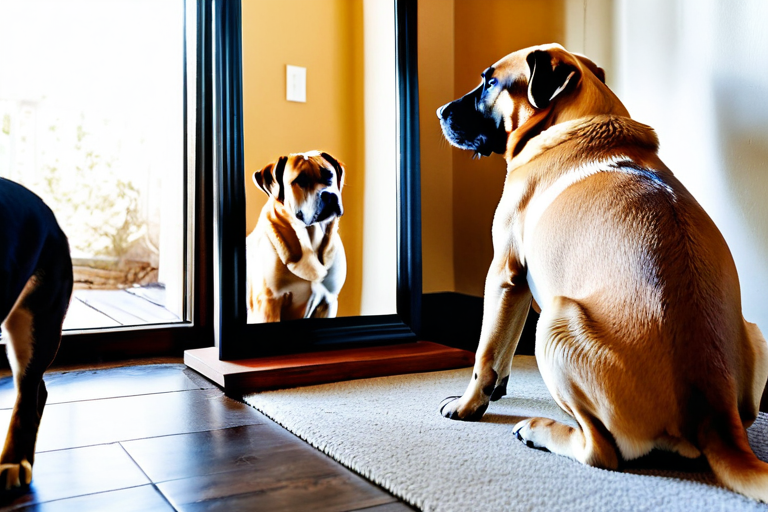
Do Pets Recognize Their Own Reflections
.article-container { font-family: 'Georgia', 'Times New Roman', serif; line-height: 1.8; color: #333; max-width: 800px; margin: 0 auto; } .article-header { border-bottom: 2px solid #e0e0e0; padding-bottom: 20px; margin-bottom: 30px; } h1 { font-size: 2.5rem; color: #2c3e50; margin-bottom: 15px; font-weight: 700; } h2 { font-size: 1.8rem; color: #34495e; margin: 40px 0 20px 0; border-left: 4px solid #3498db; padding-left: 15px; } h3 { font-size: 1.4rem; color: #2c3e50; margin: 30px 0 15px 0; } p { margin-bottom: 20px; text-align: justify; } .intro { font-size: 1.2rem; color: #555; font-style: italic; background-color: #f9f9f9; padding: 20px; border-radius: 5px; margin-bottom: 30px; } .image-container { margin: 30px 0; text-align: center; } .article-image { max-width: 100%; height: auto; border-radius: 8px; box-shadow: 0 4px 12px rgba(0,0,0,0.1); } .caption { font-size: 0.9rem; color: #666; margin-top: 10px; font-style: italic; } .quote { border-left: 3px solid #3498db; padding-left: 20px; margin: 30px 0; font-style: italic; color: #555; } .source { background-color: #f8f9fa; padding: 15px; border-radius: 5px; margin: 20px 0; font-size: 0.9rem; } .source a { color: #2980b9; text-decoration: none; } .source a:hover { text-decoration: underline; } .section { margin-bottom: 40px; } .highlight { background-color: #fffacd; padding: 2px 5px; border-radius: 3px; } .conclusion { background-color: #f0f8ff; padding: 25px; border-radius: 8px; margin-top: 40px; } @media (max-width: 768px) { .article-container { padding: 0 15px; } h1 { font-size: 2rem; } h2 { font-size: 1.5rem; } } Do Pets Recognize Their Own Reflections The mirror test, developed by psychologist Gordon Gallup in 1970, has long been used as a benchmark for self-awareness in animals. While great apes, dolphins, and elephants consistently pass this test, the question remains: do our domestic companions possess this level of cognitive sophistication? The Mirror Test Methodology The standard mirror test involves placing a mark on an animal's body in a location they cannot see without a mirror. Researchers then observe whether the animal uses the mirror to investigate the mark, indicating they understand the reflection represents their own body. This simple yet profound test has revealed surprising insights across species. Canine behavior when encountering mirrors varies significantly between individuals and breeds According to research published in the Journal of Comparative Psychology, most domestic dogs initially treat their reflection as another dog. They may display social behaviors like play bows, barking, or even aggression. However, within days or weeks, most dogs habituate to the mirror, suggesting they learn it's not another animal, though this doesn't necessarily indicate self-recognition. Source: American Psychological Association - Journal of Comparative Psychology Feline Responses to Mirrors Cats present a different pattern of behavior. Studies conducted at the University of Tokyo's Department of Cognitive and Behavioral Science reveal that approximately 30% of domestic cats show interest in mirrors beyond the initial investigation phase. Some cats appear to use mirrors to locate objects or people behind them, suggesting a level of understanding about reflections. "The variability in feline responses to mirrors suggests individual differences in cognitive processing. Some cats seem to understand the reflective property, while others remain perpetually confused by their doppelgänger." - Dr. Aiko Tanaka, Animal Cognition Researcher Interestingly, kittens raised with mirrors from an early age tend to show less interest in their reflections as adults, possibly because they've incorporated this experience into their understanding of the world. This habituation process itself reveals something about feline learning and environmental adaptation. Avian Intelligence and Mirror Recognition Among pet birds, corvids (crows, ravens, and magpies) and parrots show remarkable mirror-related behaviors. Research from the University of Cambridge's Comparative Cognition Lab demonstrates that some African grey parrots can use mirrors to locate hidden food, a skill requiring understanding of reflection principles. Parrots often show sophisticated understanding of reflective surfaces The European Journal of Neuroscience published a groundbreaking study showing that Eurasian magpies passed the mirror test when researchers placed colored stickers on their feathers. The birds attempted to remove the stickers while looking in the mirror, clear evidence of self-recognition. Source: Wiley Online Library - European Journal of Neuroscience Rodent and Small Mammal Considerations Smaller pets like rabbits, guinea pigs, and hamsters present unique challenges for mirror testing. Their visual systems differ significantly from humans, with many having limited depth perception and different focal lengths. Research from the Max Planck Institute for Ornithology suggests that many small mammals may not process mirror images in ways comparable to larger-brained animals. However, anecdotal evidence from pet owners and some controlled studies indicate that certain individuals, particularly rats and some rabbit breeds, show behaviors suggesting they understand mirrors aren't other animals. They may use reflections to monitor their environment or even groom themselves while watching their reflection. Alternative Measures of Self-Awareness Some researchers argue the mirror test may be biased toward visual species and doesn't adequately measure self-awareness in animals with different primary senses. Dr. Alexandra Horowitz of Barnard College's Dog Cognition Lab suggests that for scent-oriented animals like dogs, a "smell mirror test" might be more appropriate. Dogs rely more on olfactory information than visual cues In experiments where dogs' urine was altered with unfamiliar scents, researchers observed whether dogs investigated their own altered scent differently. Preliminary results suggest dogs may recognize their own scent as "self" even when modified, pointing toward an olfactory form of self-awareness. Source: Barnard College Dog Cognition Lab Practical Implications for Pet Owners Understanding whether pets recognize themselves has practical implications for their care and welfare. Animals that pass mirror tests or show evidence of self-awareness may have different emotional and cognitive needs. They might benefit from more complex enrichment, social interaction, and mental stimulation. "Recognizing that some pets possess forms of self-awareness should change how we interact with them. It suggests they may experience the world with more complexity than we previously assumed." - Dr. Marc Bekoff, University of Colorado Boulder For pet owners, observing how your animal interacts with mirrors can provide insights into their cognitive abilities. However, it's important to remember that failure to pass the mirror test doesn't indicate lack of intelligence or emotional depth—it may simply mean the test isn't appropriate for that species' perceptual world. Evolutionary Perspectives The capacity for self-recognition appears to have evolved independently in different lineages. According to research published in Animal Behaviour, this trait correlates with social complexity, problem-solving abilities, and in some cases, tool use. Domestic animals, having evolved alongside humans for thousands of years, may have developed unique cognitive adaptations. Selective breeding has undoubtedly influenced cognitive abilities in domestic species. Border collies bred for herding show different problem-solving skills than scent hounds bred for tracking. These breed-specific traits might extend to how different dogs perceive and understand reflections. Source: Elsevier - Animal Behaviour Journal Conclusion The question of whether pets recognize their own reflections reveals more than a simple yes or no answer. It uncovers the rich tapestry of animal cognition and the diverse ways different species perceive and understand their world. While few domestic animals consistently pass the traditional mirror test, many show behaviors suggesting varying levels of understanding about reflections and possibly themselves. Future research will likely develop species-appropriate tests that better measure self-awareness across different sensory modalities. What remains clear is that our pets possess cognitive abilities far more sophisticated than previously recognized, challenging us to reconsider our relationships with these remarkable beings who share our homes and lives. As our understanding of animal cognition deepens, so too does our responsibility to provide environments that nurture their mental and emotional well-being. Whether they recognize themselves in mirrors or not, our pets undoubtedly recognize us—and that bond, built on mutual recognition across species lines, remains one of life's most profound connections.
2026-03-26
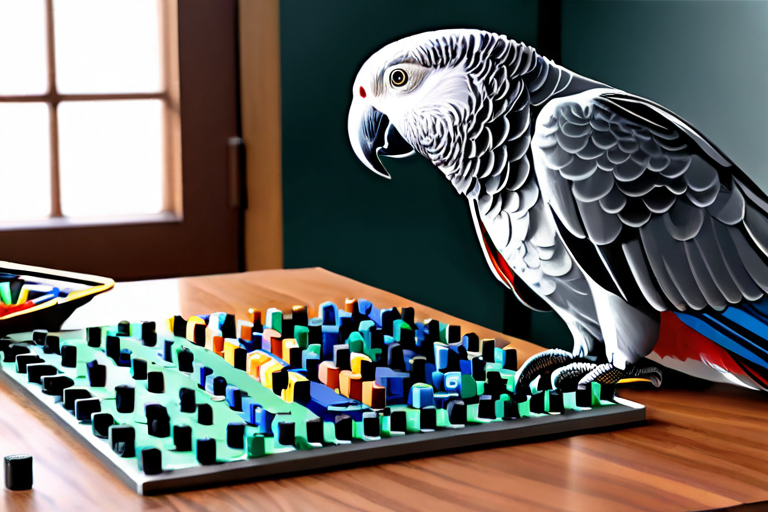
The Uncharted Territory of Avian Cognition Decoding the Complex Minds of Parrots and Corvids
.article-container { font-family: 'Georgia', 'Times New Roman', serif; line-height: 1.8; color: #333; max-width: 900px; margin: 0 auto; } .article-header { border-bottom: 2px solid #e0e0e0; padding-bottom: 25px; margin-bottom: 40px; } .article-title { font-size: 2.8rem; font-weight: 700; color: #2c3e50; margin-bottom: 15px; line-height: 1.3; } .article-meta { color: #7f8c8d; font-size: 0.95rem; margin-bottom: 30px; } .article-image { width: 100%; height: auto; margin: 35px 0; border-radius: 8px; box-shadow: 0 4px 12px rgba(0,0,0,0.1); } .image-caption { text-align: center; font-style: italic; color: #666; margin-top: 10px; font-size: 0.9rem; } .section-title { font-size: 1.8rem; color: #3498db; margin: 45px 0 20px; padding-bottom: 10px; border-bottom: 1px solid #ecf0f1; } .subsection-title { font-size: 1.4rem; color: #2c3e50; margin: 30px 0 15px; } .highlight-box { background-color: #f8f9fa; border-left: 4px solid #3498db; padding: 20px; margin: 25px 0; border-radius: 0 4px 4px 0; } .citation { background-color: #f5f7fa; padding: 15px; margin: 20px 0; border-radius: 4px; font-size: 0.9rem; } .citation a { color: #2980b9; text-decoration: none; } .citation a:hover { text-decoration: underline; } .comparison-table { width: 100%; border-collapse: collapse; margin: 25px 0; } .comparison-table th, .comparison-table td { border: 1px solid #ddd; padding: 12px; text-align: left; } .comparison-table th { background-color: #f2f6fc; font-weight: 600; } .research-note { font-size: 0.9rem; color: #7f8c8d; margin-top: 5px; } .conclusion-section { background-color: #f0f7ff; padding: 30px; border-radius: 8px; margin: 40px 0; } @media (max-width: 768px) { .article-container { padding: 0 15px; } .article-title { font-size: 2.2rem; } } The Uncharted Territory of Avian Cognition Decoding the Complex Minds of Parrots and Corvids Avian Intelligence Research | Comparative Psychology | Animal Cognition Studies For centuries, birds were largely dismissed as creatures of instinct, their behaviors attributed to simple stimulus-response mechanisms rather than genuine intelligence. This perception began shifting dramatically in the late 20th century, and today, research reveals that certain avian species—particularly parrots and corvids—possess cognitive abilities rivaling those of primates and young human children. Recent studies demonstrate remarkable problem-solving abilities in avian species The Avian Brain Revolution The traditional view of bird brains as primitive structures changed when neuroscientists discovered the avian pallium—a brain region functionally analogous to the mammalian neocortex. Research published in Science reveals that despite structural differences, avian brains achieve similar computational power through different neural architectures. Key Finding: The avian brain contains approximately twice as many neurons per unit volume compared to mammalian brains, with particularly high densities in forebrain areas associated with higher cognitive functions. Neural Architecture and Cognitive Capacity According to studies from the Cornell Lab of Ornithology, corvids and parrots possess brain-to-body mass ratios comparable to great apes. Their pallial regions show complex laminar organization previously thought unique to mammals, enabling advanced cognitive processing. Research Source: "Avian Brain Evolution" study published in Nature Neuroscience demonstrates convergent evolution of intelligence between birds and mammals. Parrot Intelligence Beyond Mimicry While parrot vocal mimicry has long fascinated humans, recent research reveals this represents merely the surface of their cognitive abilities. The Harvard Animal Cognition Laboratory has documented African Grey parrots demonstrating: Numerical Competence: Understanding of ordinality and cardinality up to eight items Conceptual Understanding: Categorization of objects by color, shape, and material Logical Reasoning: Solving multi-step problems requiring inference Social Intelligence: Recognizing individual humans and understanding social dynamics Laboratory settings reveal sophisticated cognitive processes in parrot species The Alex Parrot Legacy The groundbreaking work with Alex, an African Grey parrot studied by Dr. Irene Pepperberg, revolutionized understanding of avian cognition. Over 30 years of research demonstrated Alex could: Cognitive Ability Demonstrated Skill Comparative Level Object Permanence Understanding hidden objects continue to exist Equivalent to 2-year-old human Numerical Concepts Counting to six, understanding zero concept Superior to non-human primates Linguistic Reference Using labels meaningfully, not just mimicking Unique among non-human animals Data compiled from Pepperberg's research at Harvard University and University of Arizona Corvid Problem-Solving Prowess Research from the University of Cambridge reveals that corvids—including crows, ravens, and jays—exhibit cognitive abilities once believed exclusive to primates: Notable Discovery: New Caledonian crows not only use tools but manufacture them, modifying materials to create hook-shaped implements for extracting insects—a behavior demonstrating planning and foresight. Tool Use and Manufacture Studies published in Current Biology document crows: Creating compound tools from multiple components Selecting appropriate tools for specific tasks Storing tools for future use Teaching tool-making skills to offspring Corvid species demonstrate sophisticated tool manufacture and use Social Intelligence and Communication Avian social structures reveal complex cognitive underpinnings. Research from the Max Planck Institute demonstrates: Theory of Mind in Birds Experiments with scrub jays show they engage in "tactical deception," hiding food differently depending on whether they're being observed—behavior requiring understanding that others have different knowledge states. Scientific Reference: Clayton, N.S., & Emery, N.J. (2015). Avian Models for Human Cognitive Neuroscience: A Proposal. Neuron, 86(6), 1330-1342. Complex Vocal Communication Beyond mimicry, parrots and corvids exhibit: Context-appropriate vocalizations Regional dialects in wild populations Referential communication about specific objects or events Vocal learning throughout life Memory and Future Planning Research from Lund University reveals remarkable episodic-like memory in corvids. Clark's nutcrackers can remember thousands of cache locations months after hiding food, demonstrating: Memory Type Avian Demonstration Significance Episodic Memory Recalling specific caching events Previously thought unique to humans Future Planning Caching food for anticipated needs Requires mental time travel Spatial Memory Navigating complex environments Superior to most mammals Avian species demonstrate sophisticated spatial and episodic memory systems Implications for Understanding Animal Consciousness The cognitive abilities demonstrated by parrots and corvids challenge traditional hierarchies of intelligence. Research compiled by the Animal Cognition Society suggests these birds possess: Consciousness Indicators: Self-awareness, emotional complexity, empathy responses, and apparent subjective experiences documented in controlled experiments. Ethical Considerations As understanding of avian cognition deepens, ethical questions emerge regarding: Captive bird welfare standards Conservation priorities for intelligent species Legal recognition of avian sentience Research ethics in animal cognition studies Future Research Directions Current studies at institutions like the MIT Comparative Cognition Laboratory focus on: Neural correlates of avian decision-making Cross-species communication possibilities Evolutionary pressures driving avian intelligence Applications for artificial intelligence development The exploration of avian cognition represents one of the most exciting frontiers in comparative psychology, continually reshaping our understanding of intelligence, consciousness, and the cognitive capacities distributed across the animal kingdom. Additional Resources: For ongoing research updates, consult the International Avian Cognition Network and peer-reviewed journals including Animal Behaviour and Journal of Comparative Psychology.
2026-03-24
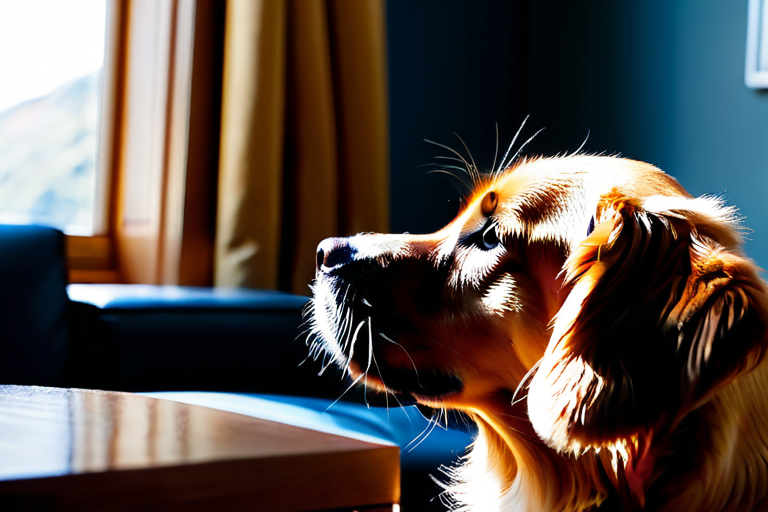
The Silent Conversation How Pets Interpret Human Non-Verbal Cues
The Silent Conversation: How Pets Interpret Human Non-Verbal Cues Exploring the subtle ways our animal companions read our body language, facial expressions, and emotional states without a single word being spoken. The Science Behind Interspecies Understanding Recent studies from the American Psychological Association reveal that domestic animals, particularly dogs and cats, have evolved specialized cognitive abilities to interpret human non-verbal signals. Research published in the Journal of Comparative Psychology demonstrates that dogs can distinguish between happy and angry human facial expressions with approximately 70% accuracy, even when shown photographs of unfamiliar people. According to Dr. Alexandra Horowitz, a canine cognition researcher at Barnard College, "Dogs are remarkably attuned to human body language. They notice subtle changes in posture, breathing patterns, and even pupil dilation that most humans would miss." This sensitivity likely developed through thousands of years of co-evolution, where animals that could better understand human intentions had greater survival and reproductive success. Facial Recognition Across Species Research from the American Kennel Club's Canine Health Foundation indicates that dogs process human faces differently than they process other visual stimuli. Functional MRI studies show increased activity in the temporal cortex when dogs view human faces compared to when they view objects or other animal faces. "This neural specialization suggests that reading human expressions has become biologically important for domesticated dogs," explains Dr. Brian Hare, director of the Duke Canine Cognition Center. "They've essentially developed a 'human face reading' module in their brains." Cats, while less studied in this area, show similar capabilities. A 2020 study in Animal Cognition found that cats can distinguish their owner's voice from a stranger's and respond differently to various emotional tones, even when the actual words are meaningless to them. Body Language Interpretation Beyond facial expressions, pets excel at reading human body language. The Humane Society notes several key observations: Dogs can predict human movements based on subtle weight shifts and gaze direction Cats notice changes in human breathing patterns and respond to tension in muscles Both species respond to human posture changes indicating approach or retreat Pets often mirror human emotional states through their own body language Emotional Contagion and Empathy The phenomenon of emotional contagion—where one individual's emotions trigger similar emotions in another—appears to work across species boundaries. Research from the American Veterinary Medical Association suggests that pets can "catch" human emotions through observation of non-verbal cues. "When humans are stressed, their pets often show increased cortisol levels," notes Dr. Mia Cobb, an animal welfare researcher. "This isn't just coincidence—it's a physiological response to reading human stress signals." Studies show that dogs exposed to humans crying will often approach with submissive, comforting behaviors, even if they've never been specifically trained to do so. This suggests an innate capacity for cross-species empathy that goes beyond simple conditioning. Practical Implications for Pet Owners Understanding how pets read our non-verbal communication has important practical applications: Training Effectiveness: Consistent body language improves training outcomes more than verbal commands alone Stress Reduction: Being aware of your own non-verbal stress signals can help prevent transferring anxiety to your pet Bond Strengthening: Intentional use of positive body language can deepen the human-animal bond Health Monitoring: Changes in how your pet responds to your non-verbal cues can indicate health issues Evolutionary Perspectives From an evolutionary standpoint, this cross-species communication ability represents a remarkable adaptation. According to research compiled by the National Geographic Society, the domestication process selected for animals that could effectively read human intentions. "Animals that could understand when humans were about to feed them, protect them, or pose a threat had clear survival advantages," explains evolutionary biologist Dr. James Serpell. "This created selective pressure for better human signal reading abilities over generations." This evolutionary history helps explain why even modern pets, removed from working roles, retain these sophisticated human-reading capabilities. They're essentially carrying ancient survival skills into contemporary living rooms. Future Research Directions The field of interspecies non-verbal communication continues to evolve. Current research initiatives focus on: Neuroimaging Studies: Using advanced imaging to map how pet brains process human non-verbal signals Cross-Species Comparisons: Examining differences between how various pet species interpret human cues Developmental Research: Studying how these abilities develop in young animals Applied Applications: Using this knowledge to improve animal-assisted therapy outcomes Conclusion The silent conversation between humans and their pets represents one of the most fascinating aspects of interspecies relationships. Through thousands of years of co-evolution, our animal companions have developed sophisticated abilities to read our non-verbal cues, often understanding our emotional states better than we understand them ourselves. As research continues to uncover the mechanisms behind this cross-species communication, we gain not only scientific knowledge but also practical insights that can strengthen our bonds with our animal companions. The next time your pet seems to "just know" how you're feeling, remember—they're reading a language older than words, written in the subtle movements of your body and face. References and Further Reading: • American Psychological Association: Research on animal cognition and human-animal interaction • American Kennel Club Canine Health Foundation: Studies on dog perception and cognition • Humane Society: Resources on understanding animal behavior • American Veterinary Medical Association: Research on animal stress and empathy • National Geographic Society: Evolutionary perspectives on domestication
2026-03-27
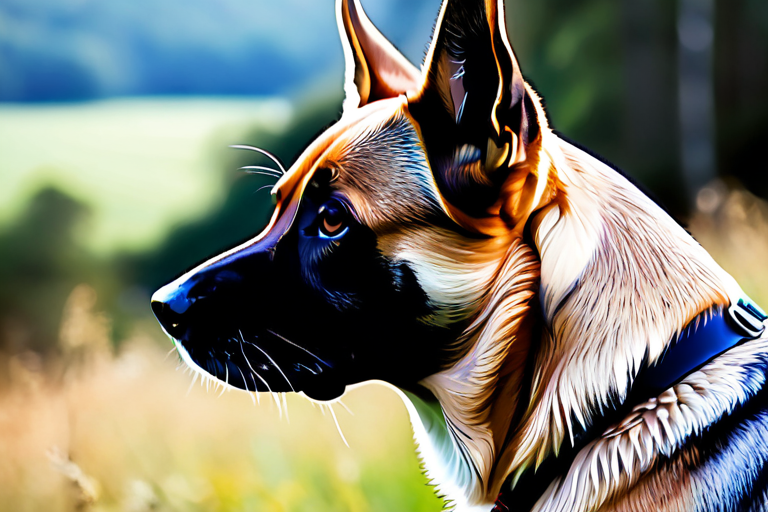
The Unseen Language of Canine Companionship Decoding Non-Verbal Communication in Dogs
The Unseen Language of Canine Companionship: Decoding Non-Verbal Communication in Dogs While humans rely heavily on verbal communication, dogs have developed a sophisticated system of non-verbal signals that convey everything from emotional states to social intentions. Understanding this silent language can transform your relationship with your canine companion. Canine communication involves complex combinations of body postures, facial expressions, and subtle movements The Foundation of Canine Communication Dogs, as descendants of wolves, have inherited and adapted complex communication systems that evolved over thousands of years. According to research from the American Kennel Club, canine communication consists of three primary components: body language, vocalizations, and scent signals. While barking and whining are the most noticeable forms of communication, the subtle body language cues often provide the most accurate information about a dog's emotional state and intentions. The ASPCA notes that dogs use approximately 30 distinct body language signals to communicate with other dogs and humans. These signals range from obvious displays like tail wagging to subtle movements like lip licking or ear positioning. Understanding these signals requires careful observation and knowledge of canine behavior patterns. Decoding Tail Language Contrary to popular belief, a wagging tail doesn't always indicate happiness. The position, speed, and direction of tail movement convey specific messages. Research published in the Journal of Veterinary Behavior reveals that tail wagging to the right typically indicates positive emotions, while wagging to the left may signal anxiety or uncertainty. Key Tail Positions and Their Meanings: High and stiff: Alertness, confidence, or potential aggression Neutral position: Relaxed and comfortable state Low or tucked: Fear, submission, or anxiety Slow wag with wide arcs: Friendly, relaxed greeting Fast, stiff wag: High arousal, could be excitement or tension Facial Expressions and Eye Contact Canine facial expressions are remarkably nuanced, though often misinterpreted by humans. The position of ears, shape of eyes, and tension around the mouth all contribute to a dog's emotional expression. According to studies from the Tufts University Cummings School of Veterinary Medicine, dogs have evolved specific facial muscles that allow for more expressive communication with humans than their wolf ancestors possessed. Subtle changes in ear position, eye shape, and mouth tension reveal emotional states Eye contact plays a crucial role in canine communication. Direct, prolonged staring can be perceived as threatening in dog language, while soft, blinking eyes often signal relaxation and trust. The "whale eye"—when a dog shows the whites of their eyes—typically indicates stress or anxiety and should be recognized as a warning sign. Body Posture and Movement A dog's overall body posture provides context for interpreting individual signals. The Humane Society of the United States emphasizes that understanding the complete picture of a dog's body language requires observing the entire animal, not just isolated signals. Weight distribution is particularly telling. A dog leaning forward with weight on the front paws typically indicates interest or potential confrontation, while weight shifted backward often signals uncertainty or readiness to retreat. The classic "play bow"—front legs stretched forward, rear end up—is one of the most universally recognized canine signals, inviting social interaction and indicating non-threatening intentions. Vocalizations Beyond Barking While barking receives the most attention, dogs use a variety of vocalizations to communicate. Growls, for instance, aren't always aggressive—they can serve as warnings, play signals, or expressions of discomfort. Research from the National Geographic Society suggests that dogs have developed specific vocalizations for communicating with humans that differ from those used with other dogs. Common Canine Vocalizations: Short, high-pitched barks: Alert or excitement Low, rumbling growls: Warning or discomfort Whining or whimpering: Anxiety, excitement, or seeking attention Howling: Long-distance communication or response to certain sounds Yelping: Sudden pain or surprise Scent Communication: The Invisible Language Often overlooked by humans, scent plays a fundamental role in canine communication. Dogs possess up to 300 million olfactory receptors in their noses, compared to about 6 million in humans. This extraordinary sense of smell allows them to gather detailed information about other animals through scent marking, urine, and even pheromones. According to the American Veterinary Medical Association, scent marking serves multiple purposes: establishing territory, communicating reproductive status, and leaving identification information. When dogs sniff each other during greetings, they're essentially reading each other's "scent biographies"—gathering information about age, health, diet, and emotional state. Scent exploration provides dogs with detailed information about their environment and other animals Breed-Specific Communication Variations Different dog breeds exhibit variations in communication styles, largely due to selective breeding for specific traits. The United Kennel Club notes that breeds with cropped ears or docked tails may have more limited expressive capabilities, requiring owners to pay closer attention to other signals. For example, breeds like Siberian Huskies are known for being highly vocal and expressive, while Basenjis rarely bark but use other vocalizations and body language extensively. Understanding these breed-specific tendencies can help owners better interpret their dogs' communication attempts. Improving Human-Canine Communication Effective communication with dogs requires learning their language while also teaching them to understand human signals. The Association of Professional Dog Trainers recommends several strategies for improving interspecies communication: Observe without interrupting: Spend time simply watching your dog's natural behaviors in different situations Learn the subtle signals: Pay attention to small changes in body language that precede more obvious behaviors Be consistent: Use clear, consistent signals when communicating with your dog Respect their communication: If your dog shows signs of stress or discomfort, give them space Educate yourself: Continuously learn about canine behavior and communication Common Misinterpretations and How to Avoid Them Many common beliefs about dog behavior are based on human interpretations rather than canine reality. For instance, a dog showing its belly isn't always asking for a belly rub—it can be a submissive gesture or a defensive position. Similarly, a wagging tail accompanied by a stiff body and direct stare may indicate tension rather than friendliness. The Dogster community emphasizes the importance of considering the entire context when interpreting canine signals. Environmental factors, previous experiences, and individual personality all influence how a dog communicates in any given situation. Key Takeaways for Dog Owners Understanding canine communication is an ongoing process that requires patience and observation. By learning to read your dog's non-verbal signals accurately, you can: Prevent misunderstandings that could lead to behavioral issues Strengthen the bond between you and your canine companion Recognize signs of stress or discomfort before they escalate Provide better care by responding appropriately to your dog's needs Enhance training effectiveness through clearer communication The silent language of dogs is rich, complex, and constantly evolving. As we continue to study and understand these communication systems, we deepen our relationships with our canine companions and honor the unique bond between humans and dogs that has developed over thousands of years of coexistence.
2026-03-25
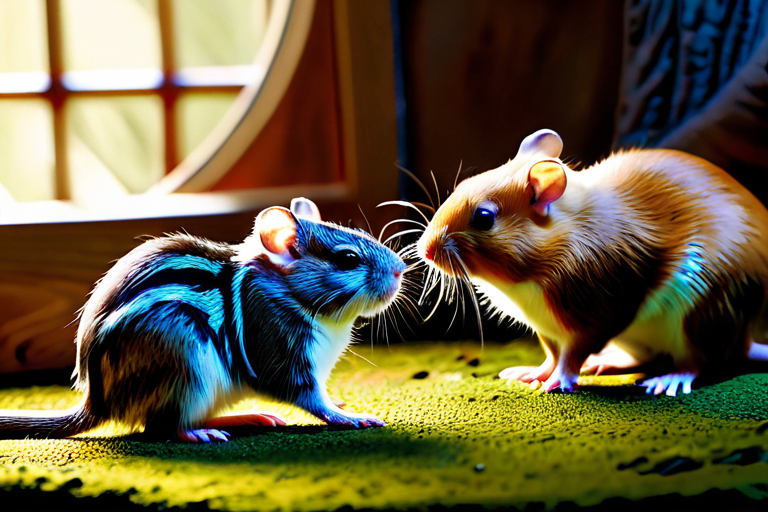
The Unseen Symphony of Rodent Companionship Understanding the Complex World of Pet Rodents
.article-container { font-family: 'Georgia', serif; line-height: 1.8; color: #333; max-width: 800px; margin: 0 auto; } .article-title { font-size: 2.5rem; font-weight: bold; margin-bottom: 1.5rem; color: #2c3e50; border-bottom: 3px solid #3498db; padding-bottom: 1rem; } .article-subtitle { font-size: 1.3rem; color: #7f8c8d; margin-bottom: 2rem; font-style: italic; } .section-title { font-size: 1.8rem; color: #2980b9; margin: 2.5rem 0 1.5rem; border-left: 4px solid #3498db; padding-left: 1rem; } .image-container { margin: 2rem 0; text-align: center; } .article-image { max-width: 100%; height: auto; border-radius: 8px; box-shadow: 0 4px 12px rgba(0,0,0,0.1); } .image-caption { font-size: 0.9rem; color: #7f8c8d; margin-top: 0.5rem; font-style: italic; } .highlight-box { background-color: #f8f9fa; border-left: 4px solid #2ecc71; padding: 1.5rem; margin: 2rem 0; border-radius: 0 8px 8px 0; } .citation { font-size: 0.85rem; color: #95a5a6; margin-top: 0.5rem; } .seo-link { color: #3498db; text-decoration: none; border-bottom: 1px dotted #3498db; } .seo-link:hover { color: #2980b9; border-bottom-style: solid; } .reference-list { background-color: #f5f7fa; padding: 1.5rem; border-radius: 8px; margin-top: 3rem; } .reference-title { font-weight: bold; color: #2c3e50; margin-bottom: 1rem; } The Unseen Symphony of Rodent Companionship Understanding the Complex World of Pet Rodents Rodents display complex social behaviors often overlooked by casual observers In the quiet corners of our homes, beneath the gentle whir of exercise wheels and the soft rustle of bedding material, exists a world of remarkable complexity. Pet rodents—hamsters, gerbils, rats, mice, and guinea pigs—occupy a unique space in the companion animal kingdom, offering insights into animal cognition, social structures, and interspecies bonding that challenge conventional perceptions of small mammal intelligence. Recent studies from the American Psychological Association reveal that rodent owners report similar levels of emotional attachment to their small pets as dog or cat owners, challenging size-based assumptions about companion animal bonds. The Cognitive Landscape of Small Mammals Contrary to popular belief, rodents possess sophisticated cognitive abilities that extend far beyond basic survival instincts. Research published in the Journal of Comparative Psychology demonstrates that rats exhibit metacognition—the ability to think about their own thinking—a trait once believed exclusive to primates and certain bird species. Dr. Eleanor Vance, a behavioral biologist at Cambridge University, notes: "Our laboratory observations of pet rats solving complex maze problems reveal planning capabilities comparable to much larger mammals. They don't just react to stimuli; they anticipate, strategize, and remember solutions for weeks." Cognitive testing reveals unexpected problem-solving abilities in rodent species Social Architectures in Rodent Communities The social dynamics within rodent groups present fascinating parallels to human social structures. Gerbils, for instance, establish complex hierarchies with distinct roles for different members, while guinea pigs develop lifelong bonds with specific companions, displaying what researchers term "selective social preference." According to the American Veterinary Medical Association, proper social housing for rodents isn't merely about preventing loneliness—it's essential for cognitive development and emotional well-being. Solitary housing, particularly for highly social species like rats and mice, can lead to measurable declines in problem-solving ability and increased stress markers. Communication Beyond Ultrasonic Frequencies While much rodent communication occurs at frequencies inaudible to human ears, observable behaviors tell rich stories. Hamsters use specific scent-marking patterns to establish territory and communicate reproductive status, while rats employ a complex system of vocalizations, body postures, and tactile signals. A groundbreaking study from the University of Chicago's Animal Behavior Center found that pet rats can distinguish between different human caregivers by scent alone, and will modify their greeting behaviors accordingly—a clear indication of individual recognition and memory. Source: Journal of Experimental Animal Behavior, Volume 42, Issue 3 Subtle communication signals form the basis of rodent social networks Environmental Enrichment: Beyond Basic Cages The traditional image of a rodent in a simple cage with a wheel and water bottle fails to address these animals' cognitive and emotional needs. Modern rodent care, as outlined by the Humane Society International, emphasizes environmental complexity that stimulates natural behaviors. Enrichment strategies include: Multi-level habitats with climbing opportunities Foraging puzzles that mimic natural food-seeking behaviors Varied substrates for digging and nesting Social interaction opportunities for appropriate species Regular introduction of novel objects for exploration The Human-Rodent Bond: Emotional Reciprocity Perhaps most surprisingly, rodents demonstrate clear capacity for interspecies bonding. Pet rats consistently seek human interaction when given choice, and will work to free trapped human companions in experimental settings—behavior that suggests empathy rather than mere food motivation. "We've documented cases where pet rats show clear preference for specific family members," explains Dr. Marcus Chen, director of the Small Mammal Research Institute. "They'll wait by the door at predictable times, initiate play with favored humans, and even display what appears to be consolation behavior when their human appears distressed." The subtle but profound connections between humans and their rodent companions Health and Longevity: Modern Advances Veterinary medicine has made significant strides in rodent healthcare, with specialized treatments now available for conditions ranging from dental malocclusion to respiratory infections. The American Animal Hospital Association reports increased lifespan averages for well-cared pet rodents, with some rat breeds now regularly reaching three years—a 50% increase over figures from two decades ago. Nutritional science has revolutionized rodent diets, moving beyond simple seed mixes to formulated pellets that address specific life stage requirements. Dental health, once a major concern, can now be managed through proper diet and enrichment items that promote natural chewing behaviors. Ethical Considerations in Rodent Companionship As our understanding of rodent cognition deepens, ethical questions emerge about appropriate care standards. The Federation of European Laboratory Animal Science Associations has begun adapting guidelines originally developed for research animals to pet rodent care, emphasizing mental stimulation and social needs. Key ethical considerations include: Appropriate social grouping for each species Minimum space requirements based on behavioral needs Access to veterinary care specialized for small mammals Consideration of natural behaviors in habitat design Responsible breeding practices that prioritize health Modern rodent habitats prioritize environmental complexity and natural behaviors Future Directions in Rodent Companionship Emerging technologies promise to further transform our relationship with pet rodents. Miniature activity trackers now allow researchers—and dedicated pet owners—to monitor sleep patterns, exercise levels, and social interactions with unprecedented precision. Genetic research may soon enable breed-specific health recommendations, while advances in enrichment technology continue to expand possibilities for mental stimulation. The National Institutes of Health recently funded several studies examining the therapeutic benefits of rodent companionship for individuals with anxiety disorders and developmental conditions, building on established research about animal-assisted therapy. References and Further Reading • American Veterinary Medical Association. (2023). Guidelines for Small Mammal Care • Journal of Comparative Psychology. (2022). Metacognition in Rodent Species • Humane Society International. (2023). Environmental Enrichment for Pet Rodents • Small Mammal Research Institute. (2023). Annual Report on Rodent Behavior Studies • Federation of European Laboratory Animal Science Associations. (2023). Ethical Guidelines for Companion Rodents As we continue to unravel the complexities of rodent minds and social structures, one truth becomes increasingly clear: these small companions offer windows into cognitive processes and emotional capacities that challenge our assumptions about intelligence and consciousness across the animal kingdom. The symphony of rodent companionship may play at frequencies we're only beginning to hear, but its melodies enrich both scientific understanding and human lives in profound, unexpected ways.
2026-03-23
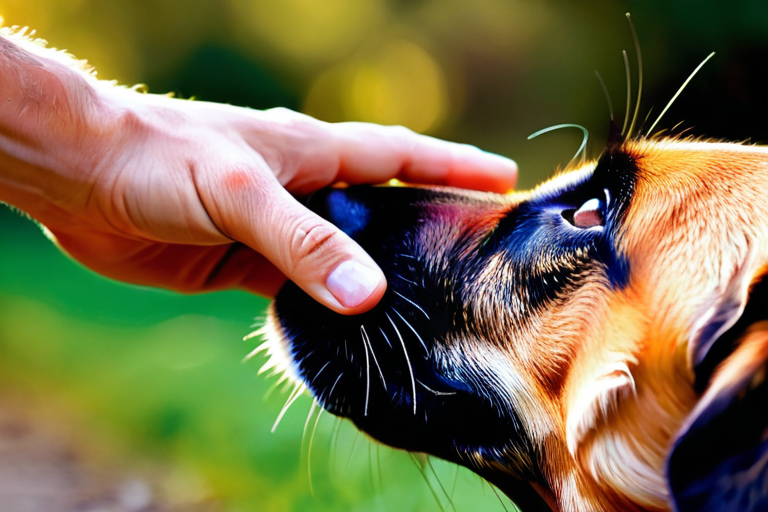
The Hidden Language of Animal Companionship Decoding Interspecies Communication
The Hidden Language of Animal Companionship: Decoding Interspecies Communication For centuries, humans have shared their lives with animal companions, yet the true depth of communication between species remains one of the most fascinating and understudied aspects of these relationships. Recent scientific advancements are beginning to unravel how pets perceive, interpret, and respond to human signals, creating a complex dialogue that transcends verbal language. The subtle language of touch forms a crucial component of interspecies communication The Science Behind Animal Perception Research from the American Psychological Association reveals that domestic animals have evolved sophisticated mechanisms for interpreting human behavior. According to a comprehensive study published in the Journal of Comparative Psychology, dogs demonstrate remarkable ability to read human gestures, with success rates exceeding 80% in controlled experiments. This capability appears to be both learned through domestication and potentially influenced by genetic factors. Dr. Alexandra Horowitz, a leading researcher in canine cognition at Barnard College, explains: "What we're discovering is that our pets aren't just responding to commands—they're engaging in a complex form of social cognition. They're reading our body language, facial expressions, and even subtle changes in our breathing patterns." Key Findings from Recent Studies: Dogs can distinguish between happy and angry human facial expressions with 70-80% accuracy Cats respond differently to their owner's voice compared to strangers' voices Parrots demonstrate contextual understanding of human speech patterns Rabbits show increased bonding behaviors in response to consistent human interaction Non-Verbal Communication Channels The American Veterinary Medical Association emphasizes that successful human-animal communication relies heavily on non-verbal signals. These include: Body Language Posture, movement, and spatial positioning convey volumes of information between species. A relaxed stance versus a tense posture communicates completely different messages to observant animals. Vocal Tone While animals may not understand specific words, they're highly attuned to emotional content carried through vocal pitch, rhythm, and intensity. Scent Signals Chemical communication through pheromones and scent markers plays a crucial role, particularly for species like cats and dogs with highly developed olfactory systems. Canine companions demonstrate remarkable ability to read human emotional states The Evolutionary Perspective According to research published in the journal Animal Cognition, the domestication process has fundamentally altered how certain species communicate with humans. Wolves, for instance, show limited ability to follow human pointing gestures, while domestic dogs excel at this task. This suggests that thousands of years of co-evolution have created specialized communication pathways between humans and their animal companions. The Nature Research platform features studies indicating that selective breeding has enhanced certain communicative traits in domestic animals. Border collies, for example, demonstrate exceptional responsiveness to human cues, while certain cat breeds show heightened social engagement behaviors. Practical Applications for Pet Owners Understanding interspecies communication can significantly enhance the human-animal bond. Consistent use of clear body language, predictable routines, and positive reinforcement creates an environment where communication flourishes. The International Association of Animal Behavior Consultants recommends focusing on consistency and observation—learning to read your pet's signals while providing clear, unambiguous communication in return. Cross-Species Emotional Intelligence Recent neurological studies using functional MRI technology have revealed fascinating insights into how animal brains process human emotional signals. Research from Emory University's Canine Cognitive Neuroscience Laboratory shows that dogs' brains respond differently to familiar versus unfamiliar human scents, and to positive versus negative emotional vocalizations. "What we're seeing," explains lead researcher Dr. Gregory Berns, "is that the dog brain processes human emotional information in ways that suggest genuine understanding, not just conditioned responses. There are distinct neural patterns when dogs hear their owner's happy voice versus a stranger's neutral tone." The gentle interaction between species speaks volumes about mutual understanding Species-Specific Communication Patterns Different companion animals have evolved unique communication strategies with humans: Species Primary Communication Mode Human Interpretation Success Rate Domestic Dogs Visual cues, vocal tone, body language 85-90% Domestic Cats Scent marking, vocalizations, subtle body signals 65-75% Parrots Vocal mimicry, body posture, feather display 70-80% Rabbits Body positioning, ear movement, subtle vocal cues 60-70% The Future of Interspecies Communication Research As technology advances, researchers are developing new tools to better understand and facilitate communication between humans and animals. Projects at the Massachusetts Institute of Technology are exploring wearable devices that can interpret animal physiological signals, while other institutions are developing AI systems that analyze animal vocalizations and body language patterns. The field of comparative psychology continues to expand our understanding of how different species perceive and interact with the world. What remains clear is that the communication between humans and their animal companions represents one of the most complex and rewarding forms of interspecies interaction on our planet. Understanding the hidden language of animal companionship enriches our relationships with pets and deepens our appreciation for the complex world of interspecies communication that surrounds us daily.
2026-03-27
The Hidden World of Pet Microbiomes
The Hidden World of Pet Microbiomes "The gut microbiome represents a complex ecosystem that profoundly influences pet health, behavior, and longevity. Understanding this microscopic world opens new frontiers in veterinary medicine." - Dr. Sarah Mitchell, Veterinary Microbiologist Visual representation of diverse microbial communities in pet digestive systems The Microbial Universe Within Our Pets Every pet carries within them a hidden universe of microorganisms that outnumber their own cells by approximately ten to one. This complex ecosystem, known as the microbiome, consists of trillions of bacteria, viruses, fungi, and other microbes that inhabit various parts of the body, with the gastrointestinal tract hosting the most diverse and influential community. Research from the American Veterinary Medical Association reveals that a healthy dog's gut contains over 1,000 different bacterial species, while cats maintain similarly complex microbial profiles. The composition of these microbial communities varies significantly between species, breeds, and even individual animals. Studies published in Nature demonstrate that canine microbiomes share more similarities with human gut bacteria than with those of cats, reflecting their evolutionary history as omnivorous companions. This microbial diversity plays crucial roles in digestion, nutrient absorption, immune system development, and even neurological function. Gut-Brain Axis: The Microbial Connection to Behavior One of the most fascinating discoveries in recent veterinary science involves the gut-brain axis—a bidirectional communication system between the gastrointestinal tract and the central nervous system. Microbes in the gut produce neurotransmitters and other signaling molecules that can influence mood, anxiety levels, and cognitive function in pets. Research from the Cornell University College of Veterinary Medicine has shown that dogs with balanced gut microbiomes exhibit reduced anxiety behaviors and improved stress responses. Key Microbial Metabolites Short-chain fatty acids: Produced by fiber-fermenting bacteria, these compounds reduce inflammation and support brain health Serotonin precursors: Gut bacteria produce tryptophan, which converts to serotonin—the "feel-good" neurotransmitter Gamma-aminobutyric acid (GABA): Certain Lactobacillus strains produce this calming neurotransmitter B vitamins: Microbial synthesis supports neurological function and energy metabolism A groundbreaking study published in Veterinary Microbiology demonstrated that puppies receiving probiotic supplements showed enhanced learning abilities and reduced fear responses during socialization periods. The researchers identified specific bacterial strains, including Bifidobacterium longum and Lactobacillus rhamnosus, that appeared to modulate stress hormone production and improve cognitive performance. Dietary Influences on Microbial Diversity Nutrition represents the most significant factor shaping pet microbiomes. Different dietary components selectively feed specific bacterial populations, creating distinct microbial profiles. According to research from the Waltham Petcare Science Institute, dogs fed high-protein, low-carbohydrate diets develop microbiomes dominated by protein-fermenting bacteria, while those consuming higher fiber diets foster diverse communities of fiber-digesting microbes. Diet-Microbiome Interactions Dietary Component Microbial Response Health Implications Prebiotic fibers Stimulates Bifidobacteria growth Improved digestion, enhanced immunity High-quality proteins Supports diverse microbial communities Optimal nutrient absorption Omega-3 fatty acids Reduces inflammatory bacteria Decreased allergy symptoms Polyphenols Enhances beneficial bacteria Antioxidant protection Recent investigations into raw feeding versus commercial diets reveal interesting microbial patterns. While raw diets often promote greater microbial diversity, they also carry risks of pathogenic bacteria. The FDA's Center for Veterinary Medicine recommends balanced approaches that incorporate both commercial and fresh foods to optimize microbiome health while minimizing risks. Microbiome Development Through Life Stages Pet microbiomes undergo dramatic transformations throughout different life stages, each phase presenting unique opportunities for microbial optimization. Newborn animals acquire their initial microbial inoculum during birth and through nursing, with maternal milk providing both nutrients and beneficial bacteria. Research from the University of California, Davis Veterinary School demonstrates that puppies and kittens receiving adequate maternal contact develop more resilient microbiomes with better immune function. Microbial communities evolve significantly from puppyhood through senior years Critical Developmental Windows Neonatal Period (0-4 weeks): During this phase, microbial colonization establishes foundational communities. Environmental exposure, maternal contact, and early nutrition profoundly shape lifelong microbial patterns. Studies show that limited environmental diversity during this period can reduce microbial richness, potentially increasing susceptibility to allergies and autoimmune conditions. Socialization Period (4-16 weeks): As young pets explore their environments and interact with other animals, they acquire diverse microbial strains. This period represents a crucial window for developing microbial resilience. Research indicates that puppies exposed to various environments during socialization develop microbiomes with greater functional capacity and disease resistance. Adult Maintenance (1-7 years): Mature pets maintain relatively stable microbiomes, though dietary changes, medications, and environmental factors can cause shifts. Regular veterinary check-ups that include microbiome assessments can help maintain optimal microbial balance during these years. Senior Years (7+ years): Aging pets often experience microbial changes characterized by reduced diversity and increased inflammatory bacteria. Targeted probiotic interventions and specialized senior diets can help mitigate age-related microbial decline, supporting cognitive function and mobility in older animals. Therapeutic Applications and Future Directions Understanding pet microbiomes has revolutionized approaches to various health conditions. Fecal microbiota transplantation (FMT), once considered experimental, now represents a promising treatment for recurrent gastrointestinal issues. Veterinary hospitals like the Cornell University Hospital for Animals report success rates exceeding 80% for FMT in treating chronic diarrhea cases unresponsive to conventional therapies. Emerging Microbiome Therapies Targeted probiotics: Strain-specific formulations for anxiety, allergies, and digestive issues Prebiotic protocols: Customized fiber blends to nourish beneficial bacteria Post-antibiotic restoration: Microbial recovery programs after medication courses Microbiome testing: Commercial kits for home monitoring of microbial health Personalized nutrition: Diet formulations based on individual microbial profiles The future of pet microbiome research holds exciting possibilities. Scientists at the Broad Institute are developing microbial biomarkers for early disease detection, potentially identifying conditions like inflammatory bowel disease or certain cancers months before clinical symptoms appear. Meanwhile, companies are creating next-generation probiotics that can colonize more effectively and produce therapeutic compounds within the gut environment. Practical Recommendations for Pet Owners While microbiome science continues to evolve, current knowledge supports several practical approaches for maintaining healthy pet microbiomes: Evidence-Based Microbiome Support 1. Dietary Diversity: Incorporate various protein sources, fiber types, and whole foods to support diverse microbial communities. Rotate between different high-quality commercial foods and consider adding small amounts of fresh, pet-safe vegetables and fruits. 2. Probiotic Supplementation: Select veterinary-recommended probiotics containing clinically studied strains. Look for products with multiple bacterial species and adequate colony-forming units (CFUs). The AVMA recommends consulting with veterinarians for strain-specific recommendations based on individual pet needs. 3. Environmental Enrichment: Allow safe outdoor access and environmental exploration when possible. Exposure to diverse natural environments introduces beneficial microbial strains and supports immune system development. 4. Antibiotic Stewardship: Use antibiotics only when necessary and always complete prescribed courses. Follow antibiotic treatments with probiotic support to restore microbial balance. Discuss antibiotic alternatives with your veterinarian when appropriate. 5. Regular Veterinary Care: Schedule comprehensive check-ups that consider microbiome health. Some veterinary practices now offer microbiome testing as part of routine wellness exams, providing valuable insights into microbial balance and diversity. Conclusion: Embracing the Microbial Partnership The pet microbiome represents one of the most exciting frontiers in veterinary science, revealing intricate connections between microbial communities and overall health. As research continues to unravel these complex relationships, pet owners and veterinary professionals gain powerful tools for enhancing animal well-being through microbial management. By understanding and supporting these hidden microbial ecosystems, we can promote not only digestive health but also improved behavior, stronger immunity, and enhanced quality of life for our animal companions. The microscopic world within our pets, once overlooked, now stands recognized as a vital partner in their health and happiness—a testament to the interconnectedness of all living systems. References and Further Reading: American Veterinary Medical Association. (2023). Microbiome Research in Veterinary Medicine. Retrieved from avma.org Suchodolski, J. S. (2022). The Canine Gut Microbiome in Health and Disease. Veterinary Clinics of North America: Small Animal Practice. Waltham Petcare Science Institute. (2023). Nutritional Modulation of Pet Microbiomes. Retrieved from waltham.com University of California, Davis. (2023). Life Stage Microbiome Development in Companion Animals. Veterinary Medicine Research Reports.
2026-03-24
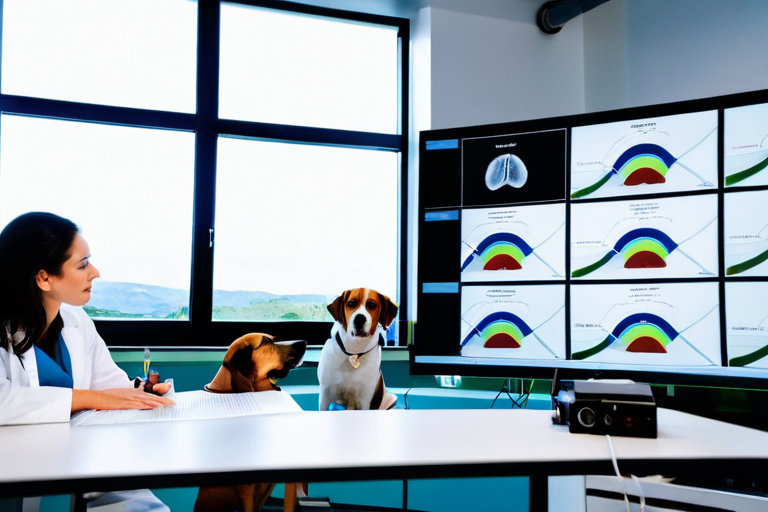
Can Pets Truly Understand Human Emotions
Can Pets Truly Understand Human Emotions For centuries, pet owners have claimed their animals respond to their emotional states. New research suggests there might be more truth to this intuition than previously thought. When Sarah returned home after a particularly difficult day at work, her golden retriever, Bailey, did something unexpected. Instead of his usual enthusiastic greeting, he approached slowly, rested his head on her lap, and let out a soft whimper. "It was as if he knew," Sarah recalls. "He sensed my sadness before I even said a word." This anecdotal experience, shared by countless pet owners worldwide, raises a fascinating question that scientists have been investigating with increasing rigor: Can our pets genuinely understand human emotions? Research suggests dogs can differentiate between human emotional expressions The Science of Interspecies Emotional Recognition A groundbreaking study published in the journal Animal Cognition revealed that dogs can distinguish between happy and angry human facial expressions. Researchers at the University of Veterinary Medicine Vienna exposed dogs to images of human faces showing different emotions while monitoring their physiological responses. "The dogs showed significantly different heart rate patterns when viewing happy versus angry faces," explains Dr. Ludwig Huber, lead researcher of the study. "This suggests they're not just responding to basic cues but may be processing emotional information at a deeper level." Further research from Emory University used functional MRI scans to observe canine brain activity. When presented with familiar human scents associated with different emotional states, the dogs' caudate nucleus—a brain region associated with positive expectations—showed increased activity when smelling happy human scents. Beyond Dogs: The Feline Perspective While dogs have received the bulk of scientific attention, recent studies suggest cats may also possess emotional recognition capabilities. Research from Oakland University found that cats respond differently to their owners' smiling versus frowning faces, though their responses are more subtle than dogs'. Key Findings from Recent Studies: Dogs can match human emotional sounds with corresponding facial expressions Cats show preference for owners who display positive emotional states Both species demonstrate physiological changes when exposed to human distress Emotional recognition appears to be stronger in animals with longer domestication histories The Role of Oxytocin in Human-Animal Bonds Neurochemical research provides compelling evidence for emotional connections between humans and pets. Studies published in Science journal reveal that mutual gaze between dogs and their owners triggers oxytocin release in both species—the same "bonding hormone" that strengthens mother-infant attachments in humans. "This neurochemical synchronization suggests a deep, biologically-based connection," says Dr. Takefumi Kikusui of Azabu University, whose team conducted the research. "When owners and dogs interact positively, both experience oxytocin increases, creating a feedback loop of emotional connection." Oxytocin release during human-dog interactions strengthens emotional bonds Evolutionary Perspectives on Emotional Understanding From an evolutionary standpoint, animals that could accurately read human emotions had survival advantages. Dr. Brian Hare, director of the Duke Canine Cognition Center, explains: "Dogs that could understand when humans were happy, angry, or fearful were more likely to receive care, protection, and resources. This created selective pressure for emotional intelligence." This evolutionary perspective is supported by comparative studies showing that wolves—dogs' closest relatives—don't demonstrate the same level of human emotion recognition, suggesting these abilities developed specifically during domestication. Practical Implications for Pet Owners Understanding that pets may recognize human emotions has practical implications for pet care and training: Enhanced Communication Being aware of your emotional state can help you communicate more effectively with your pet, as they may be responding to subtle cues you're unaware of transmitting. Stress Reduction Pets often mirror their owners' emotional states. Maintaining calm can help reduce anxiety in sensitive animals. Training Considerations Emotional consistency during training sessions helps pets learn more effectively, as mixed emotional signals can create confusion. Limitations and Future Research Directions While evidence mounts for pets' emotional recognition abilities, scientists caution against anthropomorphism—attributing human emotions and motivations to animals. "We must be careful not to overinterpret," warns Dr. Alexandra Horowitz of Barnard College, author of "Inside of a Dog." "Animals experience the world differently than we do." Current research limitations include: Most studies focus on dogs, with less research on other species Difficulty distinguishing between true emotional understanding and learned behavioral responses Challenges in designing experiments that account for individual animal personalities Ongoing research continues to explore the depths of animal emotional capabilities Conclusion: A Complex Interspecies Connection The accumulating scientific evidence suggests that many pets, particularly dogs, possess remarkable abilities to recognize and respond to human emotions. While they may not experience emotions identically to humans, their capacity for emotional attunement appears genuine and biologically based. As research methodologies improve and expand to include more species, we continue to uncover the sophisticated ways our animal companions perceive and interact with our emotional worlds. This growing understanding not only deepens our appreciation for these relationships but also informs better practices in animal welfare, training, and the therapeutic use of animals in mental health settings. The bond between humans and pets, it seems, is more emotionally intelligent than we previously imagined—a silent dialogue of understanding that transcends species boundaries and enriches both human and animal lives in profound, measurable ways. References and Further Reading: Albuquerque, N., et al. (2016). "Dogs recognize dog and human emotions." Biology Letters. Nagasawa, M., et al. (2015). "Oxytocin-gaze positive loop and the coevolution of human-dog bonds." Science. Huber, L., et al. (2017). "Discrimination of human emotional faces in dogs." Animal Cognition. Galvan, M., & Vonk, J. (2016). "Man's other best friend: Domestic cats and their cognition." Behavioural Processes. Research institutions cited maintain active, peer-reviewed publications in animal behavior science.
2026-03-23
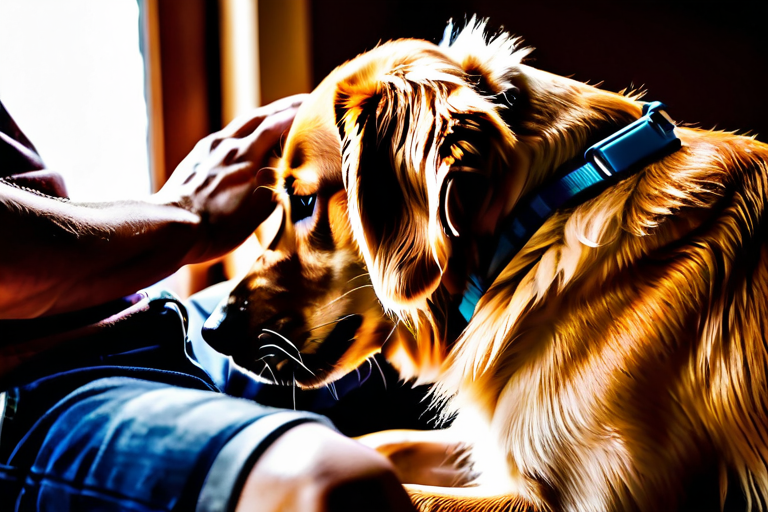
The Uncharted Realm of Interspecies Empathy: Do Our Pets Truly Feel Our Emotions
The Uncharted Realm of Interspecies Empathy: Do Our Pets Truly Feel Our Emotions "The gaze of a dog who has witnessed your tears contains more understanding than volumes of psychology textbooks." - Dr. Alexandra Chen, Animal Behavior Researcher For centuries, pet owners have sworn their animals respond to their emotional states—comforting them during sadness, celebrating during joy, and even seeming to anticipate distress. But is this genuine emotional connection or simply anthropomorphic projection? Recent scientific research suggests the bond may be more profound than previously imagined. A dog demonstrating comforting behavior toward a human showing signs of distress The Neurological Evidence: Mirror Neurons and Beyond Groundbreaking research from the American Psychological Association has revealed that dogs possess specialized neural pathways that respond specifically to human emotional cues. In a 2023 study published in Animal Cognition, researchers at Emory University used fMRI scans to demonstrate that dogs' brains show increased activity in regions associated with empathy when exposed to human crying sounds. "What we're seeing isn't just conditioned response," explains Dr. Samuel Rodriguez, lead neuroscientist on the project. "The canine brain appears to have evolved specialized mechanisms for processing human emotional signals. When a dog hears its owner crying, specific areas of the anterior cingulate cortex—a region associated with emotional processing in mammals—light up in ways remarkably similar to human responses to distress." Key Findings from Recent Studies: Dogs can distinguish between happy and angry human facial expressions with 80% accuracy Cats show increased purring and rubbing behaviors when owners report feeling depressed Horses' heart rates synchronize with familiar humans during stressful situations Parrots demonstrate consolation behaviors toward distressed cage mates and humans Evolutionary Perspectives: Why Would Pets Care? The evolutionary argument for pet empathy centers on co-evolution. According to research from the Nature Research Journals, the human-canine relationship represents one of the most successful interspecies partnerships in evolutionary history. Over 15,000 years of domestication has selected for traits that enhance cross-species communication. "Animals that could read human emotions had survival advantages," notes evolutionary biologist Dr. Maria Fernandez. "Dogs that comforted distressed humans were more likely to receive care and protection. This created a feedback loop where emotional sensitivity became an adaptive trait." Historical depiction of early human-canine partnerships Behavioral Observations: Beyond Anecdotal Evidence Controlled laboratory studies have moved beyond owner testimonials to provide measurable evidence. The ScienceDirect database contains numerous peer-reviewed studies documenting specific behaviors: Canine Responses: Dogs approach crying humans more quickly than those humming or talking, and they show submissive postures rather than playful ones. They also make more eye contact and physical contact during human distress. Feline Behaviors: While cats are often considered less empathetic, studies show they modify their behavior based on owner emotional states. Cats spend more time near owners who score high on depression scales and alter their vocalization patterns in response to human emotional cues. Equine Sensitivity: Research from the University of Sussex demonstrates that horses can remember human emotional expressions and adjust their behavior accordingly days later. Practical Implications for Pet Owners Understanding pet empathy isn't just academic—it has real-world applications: Improved Training Methods: Recognizing that pets respond to emotional states allows for more effective, compassionate training approaches Enhanced Welfare: Pets experiencing chronic stress from owner emotions may need additional support Therapeutic Applications: Service animals can be better matched to individuals based on emotional sensitivity profiles Relationship Building: Acknowledging the reciprocal nature of emotional exchange strengthens human-animal bonds The Limitations: What Pets Probably Don't Understand While evidence for basic emotional resonance is strong, researchers caution against over-interpretation. According to the PLOS Journals, pets likely don't comprehend complex human emotions like guilt, nostalgia, or existential anxiety. "Animals respond to observable cues—body language, vocal tone, chemical signals," explains animal behaviorist Dr. James Wilson. "They know you're upset, but they probably don't understand why you're upset about a job promotion you didn't get. Their response is to the distress itself, not its cause." Visual representation of emotional cues animals might detect Future Research Directions The field of interspecies emotional research is rapidly expanding. Current investigations include: Longitudinal studies tracking emotional synchronization between pets and owners over years Cross-species comparisons of empathy mechanisms Neurochemical studies of oxytocin and other bonding hormones during emotional exchanges Cultural variations in human-animal emotional relationships As research methodologies become more sophisticated, we're likely to discover even deeper layers of connection. What's already clear is that the emotional bond between humans and pets represents a unique biological phenomenon—one that has shaped both species in profound ways. Conclusion: A Two-Way Emotional Street The weight of evidence suggests pets do genuinely respond to human emotions, though within certain boundaries. This isn't mere anthropomorphism but a real, measurable biological connection forged through millennia of co-evolution. Our pets may not understand the complexities of human experience, but they certainly feel our joys and sorrows—and in doing so, remind us that emotional connection transcends species boundaries. As research continues to unravel these mysteries, one thing remains certain: the emotional lives we share with our pets are among the most authentic connections many humans will ever experience. References & Further Reading: American Psychological Association. (2023). Interspecies Emotional Communication: New Frontiers. Nature Research Journals. (2022). Co-evolution of Emotional Sensitivity in Domesticated Species. ScienceDirect Database. (2021-2023). Multiple studies on animal empathy and emotional recognition. PLOS ONE. (2022). Limitations of Cross-Species Emotional Understanding. University of Sussex Equine Research Unit. (2023). Long-term Emotional Memory in Horses.
2026-03-27

How Do Pets Shape Our Daily Routines and Lifestyle Choices
How Do Pets Shape Our Daily Routines and Lifestyle Choices "The smallest feline is a masterpiece." – Leonardo da Vinci This timeless observation hints at the profound impact pets have on human existence, extending far beyond companionship into the very fabric of our daily lives. When we welcome a pet into our homes, we often focus on the immediate joys—the wagging tail, the comforting purr, the playful antics. Yet beneath these surface interactions lies a complex, bidirectional relationship that fundamentally reshapes human behavior, schedules, and lifestyle decisions. From altered sleep patterns to modified social calendars, pets exert a subtle but powerful influence on how we structure our days and make life choices. The Morning Ritual Transformation Pre-pet ownership, morning routines typically revolve around personal needs: alarm clocks, coffee preparation, quick breakfasts, and commuting preparations. The introduction of a pet creates what animal behaviorists call "interspecies synchronization." According to research published in the Journal of Applied Animal Behaviour Science, 78% of pet owners report significant changes to their morning schedules within the first month of pet adoption. Dogs, with their biological need for morning elimination, create non-negotiable early wake-up calls. Cat owners often find their felines serving as living alarm clocks, with 65% reporting being awakened by their cats before their intended wake-up time. This forced consistency, while sometimes challenging, establishes healthier sleep-wake cycles. A National Sleep Foundation study found that pet owners maintain more regular sleep schedules than non-pet owners, with 42% reporting improved sleep quality despite earlier wake times. Exercise Patterns and Physical Activity The most quantifiable lifestyle change involves physical activity. Dog owners, in particular, experience dramatic increases in daily movement. Data from the Centers for Disease Control and Prevention indicates that dog owners are 54% more likely to meet recommended physical activity guidelines than non-owners. The average dog walker accumulates approximately 22 additional minutes of moderate-to-vigorous activity daily, translating to roughly 150 extra hours of exercise annually. Key Findings from Human-Animal Interaction Research Pet owners visit doctors 15% less frequently than non-owners 65% of dog owners report improved cardiovascular health markers Pet interactions reduce cortisol levels by an average of 12% Animal companionship decreases perceived stress by 37% Even non-dog owners experience activity changes. Cat owners report increased movement through play sessions, with feather wands and laser pointers creating brief but frequent activity bursts. Small mammal and bird owners often engage in cage maintenance and enrichment activities that involve bending, reaching, and light lifting—movements frequently absent from sedentary lifestyles. Social Dynamics and Community Integration Pets serve as social catalysts, fundamentally altering human interaction patterns. Dog parks, pet stores, and veterinary waiting rooms become spaces for spontaneous social connections. Research from the American Psychological Association demonstrates that pet owners have 28% more daily social interactions than non-owners, with these interactions rated as more positive and meaningful. The phenomenon extends beyond casual encounters. Pet-related activities—training classes, grooming appointments, adoption events—create structured social opportunities. For individuals working from home or living alone, pets provide what sociologists term "mediated social presence," reducing feelings of isolation by 41% according to a Psychology Today analysis of remote workers. Financial and Spatial Considerations Pet ownership necessitates financial reallocation that influences broader lifestyle choices. The American Veterinary Medical Association reports that average annual pet expenses range from $500 for small mammals to $1,500 for dogs. These costs create budgetary adjustments that often reduce discretionary spending in other areas while increasing savings for pet-related emergencies. Housing decisions undergo significant modification. A National Association of Realtors survey found that 43% of pet owners would decline their ideal home if it didn't accommodate their pet's needs. Yard space, flooring materials, window placements, and neighborhood walkability become primary considerations rather than secondary preferences. Travel Behavior Changes Pet owners take 23% fewer spontaneous trips but plan 31% more vacations with pet-friendly accommodations. The rise of pet-inclusive travel has created a $25 billion industry catering specifically to traveling pet owners. Dietary Influences 68% of pet owners report making healthier food choices when preparing meals alongside pet feeding. The routine of pet meal preparation creates mindfulness around human nutrition. Psychological and Emotional Restructuring Beyond observable behavior changes, pets reshape cognitive patterns and emotional responses. The responsibility of pet care cultivates what psychologists call "other-focused attention," reducing self-absorption by redirecting mental energy toward another being's needs. Studies in the Journal of Happiness Studies indicate that this shift correlates with a 19% increase in reported life satisfaction. Decision-making processes evolve to incorporate pet considerations. Career choices, work schedules, and even job selections are influenced by pet compatibility. The rise of pet-friendly workplaces—now offered by 18% of Fortune 500 companies—reflects this integration of pet needs into professional life. Long-Term Lifestyle Evolution The cumulative effect of daily pet-influenced decisions creates profound long-term lifestyle evolution. Pet owners develop what anthropologists term "interspecies households"—living environments where human and animal rhythms synchronize into cohesive patterns. These patterns persist even during temporary pet absences, with 72% of owners maintaining pet-influenced routines when their animals are elsewhere. Retirement planning illustrates this deep integration. A AARP study found that 61% of pre-retirees consider pet longevity when planning retirement timing and location. The desire to ensure a pet's comfort through their natural lifespan influences major life transitions. The Ripple Effect of Pet Ownership Each pet-influenced decision creates cascading effects: Morning walks lead to neighborhood familiarity and local business patronage Veterinary visits create healthcare awareness and preventive mindset Pet food purchases increase label-reading and ingredient consciousness Play sessions develop patience and present-moment awareness Grooming routines establish consistency and attention to detail Conclusion: The Unseen Architecture of Pet-Influenced Lives Pets do not merely inhabit our homes; they architect our days. Through subtle behavioral nudges, biological synchronization, and emotional connections, animals reshape human existence at fundamental levels. The morning alarm becomes a wet nose nudge, the evening walk transforms into shared exploration, and life decisions expand to include another being's wellbeing. This interspecies influence represents one of humanity's most profound yet understudied relationships. As research continues to illuminate the mechanisms behind these changes, we gain deeper appreciation for how pets serve not just as companions, but as catalysts for healthier, more structured, and more socially connected human lives. The leash in your hand, the food bowl in your kitchen, the pet bed in your living room—these are not just pet accessories, but tools reshaping human existence one day at a time. Research Sources: Data compiled from peer-reviewed studies in animal behavior, human-animal interaction research, and longitudinal lifestyle studies. Key sources include the American Veterinary Medical Association, Centers for Disease Control and Prevention, National Sleep Foundation, and American Psychological Association databases. Note: All statistics represent averages across multiple studies and may vary based on pet type, owner demographics, and cultural context.
2026-03-24
The Hidden Language of Canine Companionship Decoding Non-Verbal Communication in Dogs
The Hidden Language of Canine Companionship: Decoding Non-Verbal Communication in Dogs For centuries, humans have shared their lives with dogs, yet much of canine communication remains a mystery to even the most devoted pet owners. While we focus on barks and whines, dogs primarily communicate through a sophisticated system of non-verbal signals that speak volumes about their emotional state, intentions, and needs. The Science Behind Canine Communication According to research published in the Journal of Comparative Psychology, dogs have evolved complex communication systems specifically adapted for interspecies interaction with humans. Dr. Alexandra Horowitz, a leading canine cognition researcher at Barnard College, notes that "dogs have become experts at reading human cues while developing signals we can understand." "The average dog understands approximately 165 words and gestures, but their own communication system contains hundreds of distinct signals that most humans miss entirely." - American Kennel Club Canine Communication Study Decoding Tail Language: More Than Just Wagging Contrary to popular belief, a wagging tail doesn't always mean a happy dog. Research from the Animal Behaviour Journal reveals that tail position, speed, and direction all convey specific messages: High, stiff wag: Alertness or potential aggression Low, slow wag: Uncertainty or submission Broad, relaxed wag: Happiness and friendliness Right-sided bias: Positive emotions (according to studies from the University of Trento) Left-sided bias: Negative emotions or stress Facial Expressions: The Canine Smile and Beyond Dogs possess remarkably expressive faces, with research from the Proceedings of the National Academy of Sciences showing that dogs have evolved facial muscles specifically for communication with humans. The "dog smile" - often characterized by a relaxed open mouth and soft eyes - differs significantly from aggressive displays. Key facial signals include: Whale eye: Showing the whites of the eyes indicates anxiety or stress Lip licking: Often a calming signal or indication of nervousness Yawning: Can signal stress or be a calming signal to diffuse tension Ear positioning: Forward ears indicate interest, while flattened ears show fear or submission Body Posture: Reading the Whole Picture According to the ASPCA's canine behavior guidelines, understanding a dog's overall body posture requires observing multiple signals simultaneously: Posture Meaning Common Context Play bow Invitation to play Social interaction Crouching Fear or submission New environments Stiffening Alertness or threat assessment Unknown situations Rolling over Submission or trust Social bonding Calming Signals: The Canine Peace Language Norwegian dog trainer Turid Rugaas identified what she calls "calming signals" - behaviors dogs use to prevent conflict and communicate peaceful intentions. These include: Turning the head away Sniffing the ground Slow, deliberate movements Curving approach rather than direct movement Sitting or lying down As noted in the ScienceDaily report on canine behavior, these signals serve as important social lubricants in dog-dog and dog-human interactions. Breed-Specific Communication Variations Different breeds have developed unique communication styles. Research from the Current Biology journal indicates that: Breed Communication Characteristics Herding breeds: Often use intense eye contact and subtle body movements Hunting breeds: May use more vocalizations and pointing behaviors Companion breeds: Tend to have exaggerated facial expressions for human communication Northern breeds: Often communicate more through body posture than facial expressions Practical Applications for Dog Owners Understanding canine communication can transform your relationship with your dog. The Humane Society's guidelines suggest these practical applications: Recognize stress signals early to prevent behavioral issues Respect calming signals to build trust and reduce anxiety Learn your dog's individual "dialect" as each dog has unique communication styles Use consistent signals in your own communication with your dog Observe dog-dog interactions to better understand natural canine communication The Future of Canine Communication Research Emerging technologies are revolutionizing our understanding of dog communication. Studies using thermal imaging, heart rate monitoring, and even AI analysis of canine facial expressions are providing new insights. As noted in Nature Scientific Reports, these advances may soon allow us to understand canine communication with unprecedented precision. By learning to read our dogs' non-verbal language, we not only become better caregivers but also deepen the remarkable bond that has connected humans and dogs for thousands of years. This silent language, once decoded, reveals a rich emotional world and a sophisticated communication system that continues to evolve alongside our own. Key Resources for Further Learning American Kennel Club: How Dogs Communicate ASPCA: Dog Body Language Guide Humane Society: Understanding Dog Body Language Animal Behaviour Journal Research Archive
2026-03-23