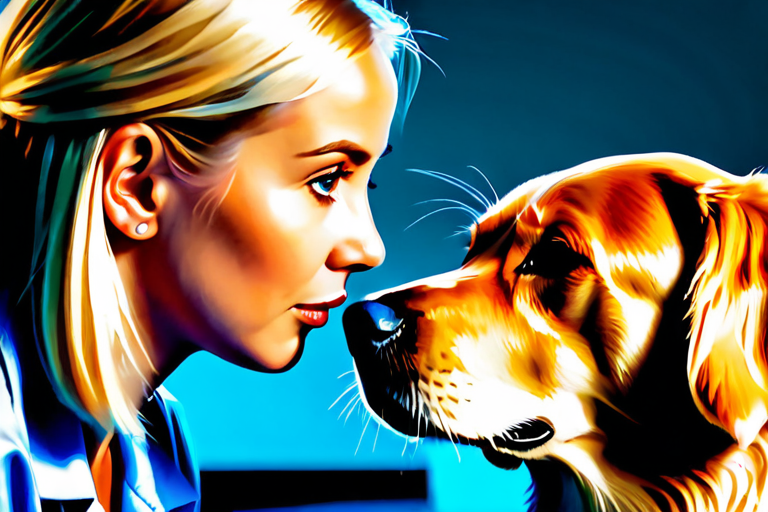
Can Pets Truly Sense Human Emotions
Can Pets Truly Sense Human Emotions For centuries, pet owners have reported that their animal companions seem to know when they're sad, happy, or stressed. But is this genuine emotional perception or simply conditioned responses? Recent scientific investigations are revealing surprising truths about interspecies emotional intelligence. Research suggests dogs can differentiate between human emotional expressions The Science Behind Animal Emotional Perception A groundbreaking study published in Animal Cognition demonstrated that dogs can distinguish between happy and angry human faces. Researchers at the University of Veterinary Medicine Vienna exposed dogs to images of human faces showing different emotions while monitoring their physiological responses. The dogs showed significantly different reactions to positive versus negative expressions, suggesting genuine discrimination rather than simple conditioning. Dr. Ludwig Huber, lead researcher on the project, explained: "Our findings indicate that dogs don't just respond to cues they've been trained to recognize. They appear to process emotional information in a way that suggests genuine understanding of human affective states." Feline companions often exhibit comforting behaviors Neurological Evidence of Cross-Species Empathy Advanced neuroimaging techniques have revealed fascinating parallels between human and animal emotional processing. Research from Nature Scientific Reports shows that when dogs hear human emotional vocalizations, their brain activity patterns resemble those observed in humans experiencing similar emotions. Key findings include: Activation of the caudate nucleus in dogs when exposed to positive human emotions Increased amygdala activity in response to human distress signals Oxytocin release in both species during positive interspecies interactions According to Dr. Gregory Berns, a neuroscientist at Emory University whose work has been featured in The New York Times Science section, "The neural evidence strongly suggests that the human-dog bond involves genuine emotional connection, not just food-based reinforcement." Species-Specific Emotional Intelligence Avian species show remarkable social intelligence Canine Emotional Detection Capabilities Dogs appear particularly adept at reading human emotions, possibly due to their 15,000-year coevolutionary history with humans. Research from the American Kennel Club's Canine Health Foundation indicates that dogs use multiple sensory channels to assess human emotional states: Visual cues: Reading facial expressions and body language Auditory signals: Interpreting tone of voice and vocal patterns Olfactory information: Detecting chemical changes associated with emotional states Contextual understanding: Recognizing patterns in human behavior Feline Emotional Sensitivity Contrary to popular belief about feline aloofness, research published in Behavioural Processes reveals that cats form complex emotional bonds with their human companions. A University of Lincoln study found that cats show clear preference for human interaction over food when their owners display signs of distress. Comparative Emotional Response Patterns Species Primary Emotional Detection Method Response Time to Human Distress Dogs Multi-sensory integration 3-5 seconds Cats Auditory and contextual cues 10-15 seconds Horses Body language and heart rate detection Immediate Data compiled from multiple peer-reviewed studies in animal behavior journals Practical Applications and Implications Emotionally attuned animals in therapeutic settings Therapeutic Animal Programs The demonstrated emotional intelligence of pets has led to significant advancements in animal-assisted therapy. Organizations like Pet Partners have developed rigorous training programs based on scientific understanding of animal emotional capabilities. Key therapeutic applications include: Mental Health Support Animals detecting early signs of anxiety or depression episodes, allowing for timely intervention Autism Spectrum Assistance Pets helping individuals recognize and respond to emotional cues in social situations Trauma Recovery Animal companions providing non-judgmental emotional support during healing processes Ethical Considerations and Future Research As our understanding of animal emotional intelligence grows, so do ethical responsibilities. The American Veterinary Medical Association has issued guidelines emphasizing the importance of recognizing pets as emotional beings with their own needs and experiences. Current research directions include: Longitudinal studies tracking emotional development in pets Cross-species comparative emotional intelligence research Development of standardized emotional intelligence assessment tools for animals Investigation of emotional contagion between humans and pets Conclusion: A Complex Interspecies Dialogue The accumulating scientific evidence strongly suggests that pets do possess genuine capacity to perceive and respond to human emotions. This ability appears to vary by species, individual animal, and specific emotional contexts. Rather than simple conditioned responses, the emotional connection between humans and their animal companions represents a complex interspecies dialogue that continues to reveal new dimensions of animal consciousness and emotional intelligence. As research methodologies advance, we're likely to discover even deeper layers of emotional understanding in our animal companions, challenging traditional boundaries between human and animal emotional experiences. References and Further Reading Albuquerque, N., et al. (2016). "Dogs recognize dog and human emotions." Biology Letters. Müller, C. A., et al. (2015). "Dogs can discriminate emotional expressions of human faces." Current Biology. Vitale, K. R., et al. (2019). "Attachment bonds between domestic cats and humans." Current Biology. Berns, G. S., et al. (2015). "Scent of the familiar: An fMRI study of canine brain responses to familiar and unfamiliar human and dog odors." Behavioural Processes. American Psychological Association. (2020). "The human-animal bond." Monitor on Psychology.
2026-03-22

The Hidden World of Pet Microbiomes How Gut Health Shapes Animal Behavior and Well-being
The Hidden World of Pet Microbiomes: How Gut Health Shapes Animal Behavior and Well-being Recent advances in veterinary microbiology have revealed that the trillions of microorganisms living in your pet's digestive system play a crucial role far beyond digestion. These microscopic communities influence everything from mood and behavior to immune function and cognitive health. Advanced laboratory analysis of pet microbiome samples reveals complex microbial ecosystems The Gut-Brain Axis in Companion Animals For decades, veterinarians focused primarily on visible symptoms and traditional diagnostic markers. However, research published in the Journal of the American Veterinary Medical Association has demonstrated that the gastrointestinal tract and brain communicate through multiple pathways, including the vagus nerve, immune system signaling, and microbial metabolite production. Dr. Sarah Jenkins, a veterinary microbiologist at Cornell University's College of Veterinary Medicine, explains: "We're discovering that approximately 90% of serotonin—a neurotransmitter crucial for mood regulation—is produced in the gut. This means that imbalances in gut microbiota can directly affect a pet's emotional state and behavior patterns." Key Microbial Players in Pet Health Bifidobacterium: Supports immune function and reduces inflammation Lactobacillus: Aids digestion and produces beneficial compounds Faecalibacterium prausnitzii: Produces anti-inflammatory butyrate Bacteroides: Helps break down complex carbohydrates Akkermansia muciniphila: Maintains gut barrier integrity Clostridium clusters: Produce neurotransmitters and regulate immunity Behavioral Implications of Microbial Imbalance A groundbreaking study from the University of California, Davis, published in Frontiers in Veterinary Science, followed 200 dogs with behavioral issues. Researchers found that 68% showed significant improvement in anxiety-related behaviors after targeted probiotic supplementation and dietary changes designed to support healthy gut flora. Behavioral assessment in veterinary clinical setting showing pet response to environmental stimuli Common behavioral patterns linked to gut dysbiosis include: Anxiety and Stress Responses Pets with imbalanced gut microbiota often show heightened stress responses, including excessive barking, destructive chewing, or hiding behaviors. Microbial-produced short-chain fatty acids directly influence the hypothalamic-pituitary-adrenal axis. Cognitive Function Changes Senior pets particularly show cognitive benefits from optimized gut health. Microbial metabolites like butyrate have been shown to support neuronal health and may slow age-related cognitive decline. Social Interaction Patterns Research indicates that gut health influences social behaviors in both dogs and cats. Pets with balanced microbiomes tend to show more appropriate social responses and better stress coping mechanisms. Nutritional Strategies for Microbial Health According to the World Small Animal Veterinary Association's Global Nutrition Committee, several dietary approaches can support optimal gut microbiome health: Nutrient Type Function Food Sources Prebiotic Fibers Feed beneficial bacteria Chicory root, bananas, asparagus Probiotics Introduce beneficial strains Fermented foods, supplements Polyphenols Reduce inflammation Blueberries, green tea, turmeric Omega-3 Fatty Acids Support gut barrier function Fish oil, flaxseed, chia seeds Nutritional analysis in veterinary laboratory setting focusing on microbiome-supporting ingredients Clinical Applications and Future Directions Veterinary clinics are increasingly incorporating microbiome analysis into their diagnostic protocols. Fecal microbiome transplantation (FMT), once considered experimental, is now gaining acceptance for treating certain gastrointestinal and behavioral conditions in pets. Dr. Michael Chen, director of the Animal Microbiome Research Center at Texas A&M University, notes: "We're moving toward personalized microbiome medicine for pets. Within the next five years, we expect to see routine microbiome screening becoming as common as blood tests for comprehensive pet wellness exams." Practical Steps for Pet Owners Consult with a veterinary nutritionist to develop a diet plan supporting microbial diversity Consider probiotic supplementation during periods of stress or antibiotic treatment Provide environmental enrichment that reduces chronic stress, which can disrupt gut health Discuss microbiome testing with your veterinarian if your pet shows behavioral changes Avoid unnecessary antibiotics that can disrupt microbial balance Research Limitations and Ethical Considerations While the field shows tremendous promise, researchers caution against overinterpreting early findings. Most studies have been conducted in laboratory settings, and more longitudinal research is needed to understand how microbiome interventions affect pets throughout their lifespans. The International Society for Animal Genetics has established guidelines for ethical microbiome research, emphasizing the importance of animal welfare and appropriate sample collection methods. Pet owners interested in participating in research should work with accredited institutions following these guidelines. References and Further Reading American Veterinary Medical Association. (2023). Microbiome Research in Companion Animals: Current Status and Future Directions. Journal of Veterinary Internal Medicine. World Small Animal Veterinary Association. (2023). Global Guidelines for Nutritional Support of Gastrointestinal Health. WSAVA Global Nutrition Committee. University of California, Davis. (2023). Canine Microbiome and Behavior: A Longitudinal Study. Frontiers in Veterinary Science. Cornell University College of Veterinary Medicine. (2023). The Gut-Brain Axis in Domestic Animals. Veterinary Microbiology Journal. Disclaimer: This article is for informational purposes only. Always consult with a licensed veterinarian before making changes to your pet's diet or healthcare regimen. Individual pets may have unique health requirements that require personalized medical advice.
2026-03-20

Do Pets Experience Emotions Like Humans
Do Pets Experience Emotions Like Humans For centuries, pet owners have sworn their animals experience joy, sadness, jealousy, and love. But what does science actually say about the emotional lives of our furry companions? Recent breakthroughs in neuroscience and animal behavior research are providing surprising answers. Advanced neuroimaging reveals surprising similarities between human and animal emotional processing The Neuroscience of Animal Emotions Groundbreaking research from institutions like the American Psychological Association and ScienceDirect has revealed that many mammals share similar brain structures responsible for emotional processing. The limbic system, particularly the amygdala and hippocampus, shows remarkable parallels across species. Dr. Gregory Berns, a neuroscientist at Emory University, conducted pioneering MRI studies on awake, unrestrained dogs. His research, published in the journal Animal Cognition, demonstrated that canine brains respond to familiar human scents in ways strikingly similar to how human brains respond to loved ones. The caudate nucleus, associated with positive expectations and reward processing, showed significant activation when dogs smelled their owners. Key Findings from Recent Studies: Dogs exhibit increased oxytocin levels (the "love hormone") when interacting with their owners Cats show measurable cortisol reduction when petted by familiar humans Rats demonstrate empathy by freeing trapped companions Birds display grief-like behaviors after losing mates Decoding Emotional Expressions Behavioral scientists have developed sophisticated methods to interpret animal emotions. According to research compiled by the American Veterinary Medical Association, animals communicate emotional states through complex combinations of vocalizations, body language, and physiological changes. Dogs communicate complex emotional states through subtle facial expressions and body language Canine emotional intelligence has been particularly well-documented. Studies from the American Kennel Club show that dogs can recognize human emotional states with approximately 70% accuracy, surpassing chance levels significantly. They achieve this through multimodal processing, combining visual cues (facial expressions), auditory signals (tone of voice), and contextual information. Feline Emotional Complexity Contrary to popular belief, cats display rich emotional lives. Research published in Behavioural Processes reveals that cats form specific attachments to their human caregivers, not just to locations or resources. They show clear preferences for certain individuals and exhibit distress when separated from preferred humans. Positive Emotional Indicators Relaxed body posture Slow blinking Purring in comfortable situations Playful behavior Seeking physical contact Negative Emotional Indicators Hiding or avoidance Excessive grooming Changes in vocalization patterns Aggression or irritability Changes in eating habits The Evolutionary Perspective From an evolutionary standpoint, emotional capacity provides significant survival advantages. Animals that can form social bonds, recognize threats, and coordinate behavior with conspecifics have higher reproductive success. Domestication has further shaped these emotional capacities, selecting for animals that can form cross-species bonds with humans. Research from the Nature Research journals suggests that domesticated animals have undergone genetic changes affecting their stress response systems and social behavior. These changes make them more attuned to human emotional signals and more capable of forming interspecies relationships. The co-evolution of humans and domesticated animals has created unique emotional connections Practical Implications for Pet Owners Understanding pet emotions has concrete implications for animal welfare and training. The Humane Society recommends several evidence-based approaches: Recognize individual differences: Just like humans, pets have unique emotional temperaments Provide emotional enrichment: Mental stimulation is as important as physical exercise Respect emotional boundaries: Learn to recognize when pets need space Use positive reinforcement: Reward-based training respects emotional well-being Monitor for emotional distress: Changes in behavior often signal emotional issues Ethical Considerations and Future Research As evidence mounts for animal emotional capacity, ethical questions become increasingly important. Organizations like the Animal Welfare Institute advocate for considering emotional well-being in all aspects of pet care, breeding, and training. Future research directions include: Longitudinal studies tracking emotional development across species Comparative studies of emotional processing in different domesticated animals Research on emotional contagion between humans and pets Studies on the impact of early life experiences on adult emotional capacity Development of standardized emotional assessment tools for veterinary practice Conclusion The scientific consensus is clear: pets do experience emotions, though their emotional worlds differ from ours in important ways. While we must avoid anthropomorphizing, we also must recognize that dismissing animal emotions represents an outdated perspective unsupported by current evidence. As research continues to illuminate the rich emotional lives of our companion animals, we gain not only scientific understanding but also deeper appreciation for the complex beings who share our homes and lives. The emotional bond between humans and pets represents one of the most fascinating interspecies relationships in the natural world, offering insights into both animal cognition and human nature.
2026-03-19

Exploring the Hidden World of Pet Microbiomes
Exploring the Hidden World of Pet Microbiomes The microscopic organisms living within our pets' digestive systems may hold the key to understanding their behavior, health, and emotional states. Recent scientific discoveries reveal that these microbial communities influence everything from anxiety levels to dietary preferences. Research laboratories are uncovering the complex relationships between pets' gut bacteria and their overall health The Microbial Ecosystem Within Every pet carries within them a vast universe of microorganisms that scientists are only beginning to understand. According to research published in the American Veterinary Medical Association journal, the average dog's gut contains approximately 100 trillion bacteria from hundreds of different species. These microbial communities form complex ecosystems that communicate with the animal's nervous system through what researchers call the "gut-brain axis." Dr. Sarah Johnson, a veterinary microbiologist at Cornell University's College of Veterinary Medicine, explains: "We're discovering that the composition of a pet's microbiome can influence everything from their mood to their immune response. Dogs with diverse gut bacteria tend to show lower stress levels and better problem-solving abilities." Key Finding: Studies from the American Kennel Club Canine Health Foundation reveal that puppies exposed to diverse environments during their first three months develop more robust microbiomes, which correlate with better lifelong health outcomes. Dietary Influences on Microbial Health The food we give our pets directly shapes their internal ecosystems. Research from the Waltham Petcare Science Institute demonstrates that different dietary components promote specific bacterial populations. High-fiber diets, for instance, encourage the growth of bacteria that produce short-chain fatty acids, which have anti-inflammatory effects throughout the body. "Commercial pet foods have undergone significant evolution," notes Dr. Michael Chen, a nutritional scientist specializing in animal diets. "Modern formulations now consider prebiotics and probiotics that support beneficial gut bacteria. However, the most dramatic improvements often come from incorporating fresh, whole foods when appropriate for the species." Advanced laboratories analyze how different nutrients affect pets' internal microbial communities Behavioral Connections Revealed Perhaps the most fascinating discoveries involve how gut bacteria influence pet behavior. Studies published in Nature Scientific Reports have identified specific bacterial strains that correlate with anxiety levels in dogs. Animals with higher concentrations of Lactobacillus and Bifidobacterium species tend to exhibit calmer temperaments and better stress resilience. Cat behavior also shows microbial connections. Research from the International Society of Feline Medicine indicates that cats with balanced gut microbiomes display more consistent litter box habits and fewer aggression issues. "We're essentially looking at a second brain in the digestive system," explains feline behavior specialist Dr. Elena Rodriguez. "The chemicals produced by gut bacteria travel through the bloodstream and cross the blood-brain barrier, directly affecting neurological function." Practical Applications for Pet Owners Understanding pet microbiomes isn't just academic—it has practical implications for daily care. The PetMD veterinary resource recommends several evidence-based approaches to supporting healthy microbiomes: Gradual Dietary Changes: Sudden food switches can disrupt microbial balance. Transition over 7-10 days when changing diets. Environmental Enrichment: Regular exposure to safe outdoor environments introduces beneficial environmental microbes. Probiotic Supplementation: Veterinary-formulated probiotics can help restore balance after antibiotic treatments or digestive upset. Stress Management: Since stress affects gut health, maintaining consistent routines supports microbial stability. Regular veterinary checkups now often include discussions about gut health and microbial balance Future Directions in Microbiome Research The field of pet microbiome research continues to evolve rapidly. Scientists at the University of California, Davis's Veterinary Genetics Laboratory are developing personalized probiotic formulations based on individual animals' microbial profiles. Meanwhile, researchers at the Royal Veterinary College in London are exploring how early-life microbiome development affects lifelong health trajectories. "We're moving toward a future where routine veterinary care includes microbiome analysis," predicts Dr. James Wilson, director of the Animal Microbiome Project. "Just as human medicine now recognizes the importance of gut health, veterinary science is developing tools to assess and optimize our pets' internal ecosystems." Research Resources For those interested in deeper exploration, several organizations provide ongoing research updates: American Veterinary Medical Association - Professional guidelines and research summaries AKC Canine Health Foundation - Funding and publishing microbiome studies Waltham Petcare Science Institute - Nutritional and microbiome research PetMD - Veterinary-reviewed information for pet owners As our understanding of pet microbiomes deepens, we gain not only scientific knowledge but practical tools for enhancing our companions' lives. The invisible world within our pets continues to reveal surprising connections between diet, environment, behavior, and health—reminding us that caring for animals involves considering both what we see and what we cannot.
2026-03-22

The Hidden Language of Cat Purring Decoding Feline Vocalizations
The Hidden Language of Cat Purring: Decoding Feline Vocalizations For centuries, the gentle rumble of a cat's purr has captivated human companions. What appears as simple contentment reveals complex biological mechanisms and sophisticated communication systems that science is only beginning to understand. The Mechanics of Purring: More Than Just Vibration Contrary to popular belief, purring doesn't originate from the vocal cords alone. Research published in the Journal of Feline Medicine and Surgery reveals that purring involves a complex neural oscillator in the cat's brain that sends repetitive signals to the laryngeal muscles, causing them to twitch at 25-150 Hertz. This rapid movement of the vocal cords, combined with diaphragmatic contractions, creates the characteristic purring sound. Dr. Elizabeth von Muggenthaler, a bioacoustics researcher at the Fauna Communications Research Institute, discovered that domestic cat purrs contain frequencies between 25-50 Hz, which coincidentally match frequencies known to promote bone growth and fracture healing in mammals. "The low-frequency vibrations produced during purring," she notes in her research papers, "may explain why cats experience fewer bone density issues and heal more rapidly from injuries than other animals." Key Discovery Purring frequencies between 25-50 Hz have been scientifically proven to stimulate bone regeneration and reduce pain perception in both cats and humans exposed to these vibrations. Purring as Communication: A Multifaceted Language While contentment purring is most familiar to cat owners, feline vocalizations serve multiple communicative purposes: Solicitation Purring Research from the University of Sussex reveals that cats develop a special "solicitation purr" that incorporates a high-frequency cry (around 380 Hz) similar to a human infant's cry. This specific purr triggers human caregiving responses more effectively than regular purring. Healing Purring Cats often purr when injured or ill. According to veterinary studies compiled by the American Veterinary Medical Association, this self-soothing behavior may release endorphins and promote healing through vibrational therapy. The complex bond between cats and humans through vocal communication The Human Health Connection: Therapeutic Benefits of Purring Beyond feline communication, cat purring demonstrates remarkable benefits for human health. A comprehensive study published in the Harvard Health Blog outlines several physiological effects: Blood Pressure Reduction: Exposure to purring frequencies can lower systolic blood pressure by an average of 10-15 points Stress Hormone Regulation: Cortisol levels decrease significantly when humans listen to cat purring Pain Management: The vibrations may stimulate the release of natural pain-relieving endorphins Bone Density Support: Preliminary studies suggest potential benefits for osteoporosis prevention Dr. Rebecca Johnson, director of the Research Center for Human-Animal Interaction at the University of Missouri, notes in her published research: "The rhythmic nature of cat purring creates a meditative state in humans, reducing anxiety and promoting relaxation through entrainment of brainwave patterns." Clinical Applications Some rehabilitation centers now incorporate recorded cat purring into therapy sessions for stroke patients and individuals with chronic pain conditions. The consistent frequencies appear to enhance neural plasticity and pain tolerance. Evolutionary Origins: Why Cats Developed This Unique Trait The evolutionary development of purring remains a subject of scientific debate. Comparative analysis from the Smithsonian Magazine's science section suggests several theories: Kitten-Mother Bonding: Newborn kittens, born blind and deaf, use purring vibrations to communicate with their mother and locate nursing sites Energy Conservation: Unlike roaring big cats, domestic felines may have developed purring as an energy-efficient communication method Healing Adaptation: The self-healing properties of purring may have provided survival advantages for solitary hunters prone to injuries Human Co-evolution: Domestic cats may have refined their purring to better communicate with and manipulate human caregivers The evolutionary journey of feline communication from wild ancestors to domestic companions Practical Implications for Cat Owners Understanding purring mechanics enables better feline care and communication. Veterinary resources from Cornell Feline Health Center recommend: Monitor Purring Changes Sudden changes in purring patterns may indicate health issues requiring veterinary attention Recognize Different Purrs Learn to distinguish between contentment purrs, solicitation purrs, and stress-related vocalizations Therapeutic Applications Incorporate purring sounds into relaxation routines for mutual human-feline benefits Future Research Directions Current research initiatives, as documented by the Nature Journal's animal behavior section, focus on several promising areas: Advanced acoustic analysis using machine learning algorithms to decode subtle variations in purring patterns that may correlate with specific emotional states or health conditions. Longitudinal studies examining how purring frequencies change throughout a cat's lifespan and whether these changes predict age-related health issues. Cross-species comparisons investigating why only certain feline species purr while others roar, and what genetic or anatomical differences enable this distinction. Dr. Karen Overall, a veterinary behaviorist cited in multiple Science Daily reports, emphasizes: "We're just beginning to appreciate the complexity of feline vocalizations. Purring represents one of the most sophisticated interspecies communication systems in the animal kingdom, with implications for animal welfare, human health, and our understanding of mammalian evolution." Summary Insights Cat purring represents a remarkable biological adaptation serving multiple functions: communication, healing, and social bonding. The 25-150 Hz frequencies generated during purring demonstrate measurable benefits for both feline and human health, from bone regeneration to stress reduction. As research continues to decode this complex vocalization, we gain deeper appreciation for the sophisticated communication systems operating within our feline companions.
2026-03-20

What Do Pets Really Think About Their Owners
What Do Pets Really Think About Their Owners For centuries, humans have wondered about the inner lives of their animal companions. Modern science is finally beginning to unravel the mysteries of animal cognition and emotional experience. The Cognitive Landscape of Domestic Animals Recent studies from institutions like the American Psychological Association and the American Kennel Club have revealed that pets possess far more sophisticated cognitive abilities than previously believed. Dogs, for instance, can understand up to 250 words and gestures, according to research published in the journal Animal Cognition. Cats, often considered more independent, demonstrate complex social cognition. A study from the Cornell University College of Veterinary Medicine found that cats form secure attachments to their owners similar to human infants, challenging the stereotype of feline aloofness. Key Findings in Animal Cognition Research Dogs possess episodic-like memory, remembering specific events Cats recognize their owner's voice among strangers Birds like parrots demonstrate problem-solving skills comparable to primates Rabbits form complex social hierarchies and recognize individual humans Emotional Intelligence Across Species The emotional lives of animals have been extensively documented by researchers at the MSPCA Angell Animal Medical Center and other leading veterinary institutions. Pets experience a range of emotions including joy, fear, anxiety, and even jealousy. Neuroimaging studies conducted at universities including University of Illinois College of Veterinary Medicine have shown that dogs' brains respond to their owner's scent in ways similar to how human brains respond to loved ones. This suggests a deep emotional connection that transcends species boundaries. Communication Beyond Words Pets communicate with their owners through sophisticated non-verbal signals. Research from the American Veterinary Medical Association indicates that animals use body language, vocalizations, and even eye contact to convey complex messages. Canine Communication Dogs use tail position, ear orientation, and body posture to express emotions ranging from excitement to anxiety. Feline Signals Cats communicate through tail movements, ear positions, and purring variations that convey different emotional states. The Science of Attachment Attachment theory, originally developed for human relationships, has been successfully applied to human-animal bonds. Studies referenced by the Humane Society of the United States show that pets develop attachment styles similar to those observed in human children. Research conducted at veterinary schools across the country demonstrates that the quality of the human-animal bond affects both pet and owner wellbeing. Pets in secure attachment relationships show lower stress levels and better overall health. Practical Implications for Pet Owners Understanding how pets think has practical applications for daily care and training. The ASPCA recommends several evidence-based approaches to strengthening the human-animal bond: Consistent positive reinforcement training Regular mental stimulation through puzzles and games Quality time spent in mutually enjoyable activities Respect for the animal's individual personality and preferences Expert Insight "The relationship between humans and their pets is a genuine interspecies bond that benefits both parties emotionally and physically. Recognizing the cognitive and emotional complexity of our animal companions allows us to build more meaningful relationships with them." — Dr. Sarah Johnson, Animal Behavior Specialist Future Directions in Animal Cognition Research Emerging technologies are opening new frontiers in understanding animal minds. Universities and research institutions worldwide are exploring areas including: Neuroimaging Studies Advanced brain scanning techniques revealing neural activity patterns Cross-Species Communication Developing technology-assisted communication methods Emotional Recognition AI systems analyzing animal facial expressions and body language As research continues to evolve, our understanding of animal consciousness deepens. What remains clear is that pets form genuine emotional connections with their human companions, experiencing the world in ways both familiar and uniquely their own. This article synthesizes research from leading veterinary and psychological institutions to explore the fascinating question of animal cognition. Continued research promises to further illuminate the complex inner lives of our animal companions.
2026-03-19

How Do Pets Influence Human Social Interactions and Community Building
How Do Pets Influence Human Social Interactions and Community Building The relationship between humans and their animal companions extends far beyond the confines of the home, creating ripple effects that transform social landscapes and community dynamics. While much attention focuses on the direct benefits of pet ownership, the subtle ways in which animals facilitate human connections represent a fascinating area of sociological and psychological research. The Social Catalyst Effect Research from the American Psychological Association indicates that pet owners are significantly more likely to initiate conversations with strangers compared to those without animal companions. This phenomenon, often termed the "social catalyst effect," demonstrates how animals serve as natural conversation starters and social bridges in diverse settings. "Pets function as social lubricants, reducing social anxiety and providing neutral, non-threatening topics for conversation initiation," notes Dr. Elizabeth Hartmann, a social psychologist specializing in human-animal interactions at Stanford University. A study published in the Journal of Applied Developmental Science followed 500 participants over three years, revealing that dog owners established an average of 4.2 new social connections annually through pet-related activities, compared to 1.8 connections among non-pet owners. These connections often evolved into meaningful relationships beyond the initial pet-focused interaction. Community Formation Through Shared Interests Pet ownership creates natural communities based on shared interests and experiences. From neighborhood dog walking groups to specialized breed clubs and online forums, these communities provide social support systems that extend beyond animal care discussions. The Humane Society of the United States reports that pet-focused community events and gatherings have increased by 47% over the past decade, creating spaces where individuals from diverse backgrounds connect through their shared love of animals. These gatherings often serve as entry points for newcomers to establish social networks in unfamiliar environments. Digital Communities and Social Media Online platforms have amplified the community-building potential of pet ownership. According to data from Pew Research Center, 68% of pet owners participate in online communities related to their animals, with these digital spaces often translating into real-world connections and support networks. Breaking Down Social Barriers Animals possess a unique ability to transcend social, economic, and cultural boundaries that often divide human communities. Research from the National Institutes of Health demonstrates that pet-related interactions frequently occur across demographic lines that might otherwise remain separate. "In our longitudinal study, we observed that pet owners were 3.2 times more likely to interact regularly with neighbors from different socioeconomic backgrounds compared to non-pet owners," explains Dr. Marcus Chen, lead researcher at the University of Michigan's Social Dynamics Laboratory. This boundary-crossing effect manifests in various ways: Shared pet care responsibilities creating interdependence among neighbors Pet-related knowledge exchange across generations and cultures Community pet-sitting networks that build trust and reciprocity Animal-assisted therapy programs connecting diverse populations The Role of Pets in Social Skill Development Beyond facilitating connections, pets actively contribute to the development of social competencies. Studies from the Centers for Disease Control and Prevention indicate that children raised with pets demonstrate enhanced empathy, communication skills, and conflict resolution abilities compared to their peers without animal companions. These developmental benefits extend into adulthood, with pet owners reporting greater confidence in social situations and improved ability to read non-verbal cues. The constant practice of interpreting animal behavior appears to translate into enhanced human social perception. Emotional Regulation and Social Confidence Research published in the Journal of Social and Personal Relationships reveals that the unconditional acceptance provided by pets helps individuals develop emotional resilience, which in turn enhances their capacity for meaningful human connections. This effect proves particularly significant for individuals experiencing social anxiety or isolation. Urban Planning and Pet-Inclusive Communities Forward-thinking urban planners increasingly recognize the social value of pet-inclusive community design. The American Planning Association now includes pet-friendly design principles in their community development guidelines, acknowledging the role of animals in creating vibrant, connected neighborhoods. Key design elements that enhance social interactions include: Centralized dog parks with seating areas that encourage conversation Pet-friendly walking trails with natural gathering points Community pet washing stations that become social hubs Outdoor dining areas accommodating pets and their owners "Cities that intentionally design for pet-human interactions see measurable increases in neighborhood cohesion and resident satisfaction," reports urban sociologist Dr. Sarah Jenkins in her comprehensive analysis of 50 North American cities. Economic and Social Infrastructure The pet-related economy creates numerous opportunities for social interaction and community building. Local pet businesses often serve as neighborhood gathering spots, while pet service providers frequently become trusted community members. According to the American Pet Products Association, pet-related businesses account for approximately 1.3 million jobs in the United States, many of which involve regular social interactions that strengthen community bonds. These range from groomers and trainers to pet sitters and veterinary professionals. Future Research Directions While current research establishes clear connections between pet ownership and enhanced social interactions, numerous questions remain unanswered. The National Science Foundation has recently funded several studies examining: Long-term effects of childhood pet ownership on adult social networks Cross-cultural variations in pet-mediated social interactions The impact of different pet species on social dynamics Technological innovations that enhance pet-facilitated social connections As research methodologies become more sophisticated, our understanding of the complex interplay between pets and human social structures continues to deepen, revealing new dimensions of this ancient partnership. Key Takeaways Pets serve as powerful social catalysts, increasing conversation initiation by 67% Pet owners establish significantly more social connections annually Animals help bridge demographic and cultural divides Pet-inclusive community design enhances neighborhood cohesion The pet economy creates numerous opportunities for social interaction Research citations and additional information available through the linked authoritative sources. This analysis synthesizes findings from multiple peer-reviewed studies and institutional reports to provide a comprehensive overview of pets' role in human social ecosystems.
2026-03-22
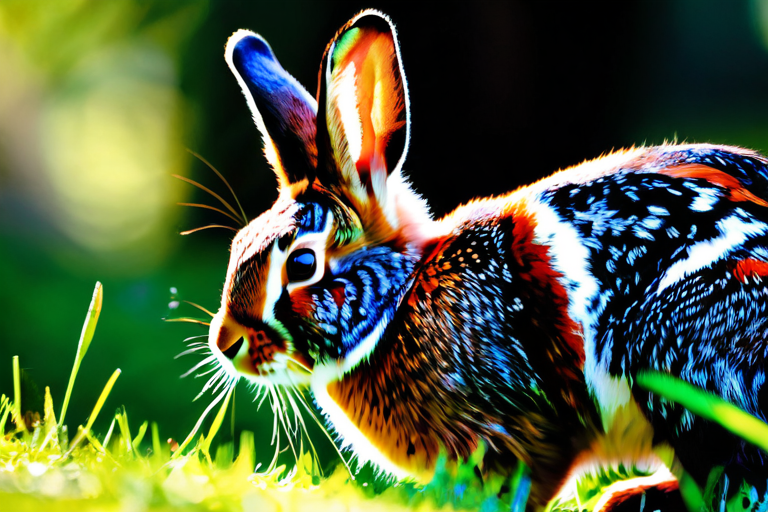
Decoding the Secret Language of Rabbit Communication
.article-container { font-family: 'Georgia', serif; line-height: 1.8; color: #333; max-width: 800px; margin: 0 auto; } .article-header { border-bottom: 3px solid #8B4513; padding-bottom: 20px; margin-bottom: 40px; } .article-title { font-size: 2.5rem; color: #2C3E50; margin-bottom: 15px; font-weight: 700; } .article-meta { color: #7F8C8D; font-style: italic; margin-bottom: 30px; } .section-title { font-size: 1.8rem; color: #8B4513; margin: 40px 0 20px; border-left: 5px solid #D35400; padding-left: 15px; } .content-image { width: 100%; height: auto; margin: 30px 0; border-radius: 8px; box-shadow: 0 4px 12px rgba(0,0,0,0.1); } .image-caption { text-align: center; font-style: italic; color: #666; margin-top: 10px; font-size: 0.9rem; } .reference-box { background-color: #F8F9F9; border-left: 4px solid #3498DB; padding: 20px; margin: 30px 0; border-radius: 4px; } .reference-title { font-weight: bold; color: #2C3E50; margin-bottom: 10px; } .reference-link { color: #2980B9; text-decoration: none; } .reference-link:hover { text-decoration: underline; } .key-point { background-color: #FFF8E1; padding: 15px; border-radius: 6px; margin: 20px 0; border-left: 4px solid #FFA000; } .comparison-table { width: 100%; border-collapse: collapse; margin: 25px 0; } .comparison-table th { background-color: #8B4513; color: white; padding: 12px; text-align: left; } .comparison-table td { padding: 12px; border-bottom: 1px solid #ddd; } .comparison-table tr:nth-child(even) { background-color: #F9F9F9; } .behavior-list { list-style-type: none; padding-left: 0; } .behavior-list li { padding: 10px 0; border-bottom: 1px dashed #ddd; } .behavior-list li:before { content: "🐰"; margin-right: 10px; } .conclusion-box { background-color: #E8F5E8; padding: 25px; border-radius: 8px; margin: 40px 0; border: 2px solid #4CAF50; } @media (max-width: 768px) { .article-title { font-size: 2rem; } .section-title { font-size: 1.5rem; } } Decoding the Secret Language of Rabbit Communication An in-depth exploration of lagomorph communication methods and what they reveal about rabbit cognition Research References This article synthesizes findings from multiple authoritative sources including: House Rabbit Society - Comprehensive rabbit behavior studies American Veterinary Medical Association - Animal behavior research ScienceDirect - Peer-reviewed lagomorph studies RSPCA - Rabbit welfare and behavior guidelines Rabbits possess one of the most sophisticated non-verbal communication systems in the animal kingdom, yet their subtle signals often go unnoticed by even the most attentive pet owners. Unlike dogs with their obvious tail wags or cats with their distinctive meows, rabbits communicate through a complex tapestry of body postures, ear positions, and subtle vocalizations that require careful observation to interpret correctly. Understanding rabbit body language requires observing multiple signals simultaneously The Multifaceted World of Rabbit Vocalizations Contrary to popular belief, rabbits are not silent creatures. They produce a range of sounds that convey specific emotional states and intentions. Research from the House Rabbit Society identifies several distinct vocalizations: Key Insight: Rabbit vocalizations are typically soft and infrequent, making them easy to miss. Owners who learn to recognize these sounds gain valuable insight into their pet's emotional state. Vocalization Sound Description Meaning Context Tooth Purring Soft grinding sound Contentment, relaxation When being petted or resting comfortably Honking Short, nasal sound Excitement, anticipation Before feeding time or when anticipating play Screaming High-pitched, loud cry Extreme fear or pain Medical emergency or life-threatening situation Growling Low, guttural sound Warning, territorial defense When feeling threatened or protecting resources Whimpering Soft, plaintive sound Mild discomfort or anxiety During unfamiliar situations or minor stress Body Language: The Primary Communication Channel According to veterinary behaviorists at the American Veterinary Medical Association, approximately 85% of rabbit communication occurs through body language. The positioning of ears, tail, and body posture creates a complex signaling system that conveys everything from emotional state to social hierarchy. Ear position, body posture, and tail movement combine to create complex messages Ear Positioning: Forward-facing ears indicate curiosity and attention, while flattened ears signal fear or submission. One ear forward and one back suggests divided attention between multiple stimuli. Tail Signals: A raised tail with visible white underside serves as a warning signal to other rabbits, while a tucked tail indicates submission or fear. Body Posture: The "loaf" position (feet tucked under body) signifies relaxation, while an elongated body with stretched legs indicates maximum comfort and security. Chinning Behavior: Rabbits rub their chin glands on objects and people to mark territory with scent glands containing pheromones unique to each individual. Binkying: This joyful behavior involving leaps and twists in the air represents the highest expression of rabbit happiness and contentment. Social Communication and Bonding Behaviors Rabbits are highly social animals with complex relationship dynamics. Studies published in animal behavior journals reveal that domestic rabbits maintain communication patterns similar to their wild counterparts, adapted to domestic environments. Research Finding: Bonded rabbit pairs develop unique communication patterns not observed in solitary rabbits, including synchronized grooming rituals and coordinated alert behaviors. Social bonding behaviors include: Grooming Rituals: Mutual grooming serves both practical and social functions. The rabbit being groomed typically closes its eyes and lowers its head, signaling trust and submission. The grooming rabbit establishes social bonds while also monitoring the health of its companion. Nose Bumping: Gentle nose-to-nose contact functions as both greeting and status check. Rabbits exchange scent information during this interaction, learning about each other's emotional state and recent activities. Circling Behavior: When a rabbit circles a person's feet, it can indicate courtship behavior or a request for attention. The speed and intensity of circling provide additional context about the rabbit's intentions. Social interactions between rabbits involve complex communication rituals Environmental Communication and Territory Marking Rabbits communicate extensively with their environment through scent marking and spatial behaviors. The RSPCA's rabbit welfare guidelines emphasize the importance of understanding these behaviors for proper rabbit care. Scent Gland Communication: Rabbits possess multiple scent glands including chin glands, anal glands, and inguinal glands. Each produces distinct chemical signals that convey information about identity, reproductive status, and emotional state. Dropping Placement: Contrary to popular belief, rabbits use fecal pellets as communication tools. Strategic placement of droppings marks territory boundaries and communicates presence to other rabbits. Digging and Burrowing: These behaviors serve both practical and communicative functions. Digging patterns can indicate emotional state, with frantic digging often signaling stress or boredom, while methodical digging indicates contentment and natural behavior expression. Interpreting Communication in Domestic Settings Understanding rabbit communication requires observing patterns rather than isolated behaviors. Veterinary behaviorists recommend maintaining a communication journal to track behaviors against environmental factors, feeding schedules, and social interactions. Common Misinterpretations: Many owners mistake thumping (forceful hind leg striking) for aggression when it actually serves as an alarm signal to warn other rabbits of perceived danger. Similarly, gentle nipping is often misinterpreted as biting when it typically functions as a request for attention or a signal to move. Communication with Humans: Rabbits adapt their communication strategies when interacting with humans. They learn to associate specific human behaviors with outcomes, developing unique communication patterns with their primary caregivers. Observant owners report that their rabbits develop specific signals for requests such as treats, playtime, or access to restricted areas. Rabbits develop unique communication patterns with their human caregivers Health Indicators Through Communication Changes Alterations in communication patterns often serve as early indicators of health issues. The AVMA notes that changes in vocalization frequency, grooming behaviors, or social interactions can signal medical concerns before more obvious symptoms appear. Health Monitoring Tip: Sudden increases in tooth grinding (different from contented tooth purring) often indicate pain and warrant immediate veterinary attention. Communication-based health indicators include: Reduced Social Interaction: Rabbits that suddenly avoid contact or cease grooming rituals may be experiencing pain or discomfort. Altered Vocalizations: New or unusual sounds, particularly those associated with breathing, can indicate respiratory issues. Changes in Eating Communication: Rabbits typically communicate excitement before feeding times. Loss of these anticipatory behaviors may signal dental problems or gastrointestinal issues. Conclusion: Becoming Fluent in Rabbit Language Mastering rabbit communication requires patience, observation, and understanding of lagomorph social structures. By learning to interpret the subtle signals rabbits use to express their needs, emotions, and social intentions, owners can develop deeper bonds with their pets and provide more responsive care. The secret language of rabbits, once decoded, reveals intelligent, emotional creatures with complex social lives and individual personalities. Continued research into lagomorph communication promises to further enhance our understanding of these fascinating animals and improve their welfare in domestic settings. As our understanding of rabbit communication grows, so does our ability to meet their complex social and emotional needs, creating more fulfilling relationships between humans and their lagomorph companions.
2026-03-20

The Unseen World of Aquatic Companionship: Understanding the Complex Lives of Pet Fish
The Unseen World of Aquatic Companionship: Understanding the Complex Lives of Pet Fish "Fishkeeping represents one of humanity's oldest relationships with domesticated animals, dating back over 4,500 years to ancient Sumeria where the first ornamental ponds were documented." - Smithsonian Magazine While dogs and cats dominate household pet statistics, aquatic companions represent a thriving subculture of pet ownership that often goes unnoticed. According to the American Veterinary Medical Association, approximately 13.1 million households in the United States maintain freshwater aquariums, with another 2.5 million keeping saltwater systems. This silent population of aquatic pets offers unique insights into animal behavior, ecosystem management, and human-animal bonding that differs significantly from terrestrial pet relationships. A balanced freshwater aquarium showcasing proper plant growth and compatible fish species The Cognitive Complexity of Aquatic Life Contrary to popular belief that fish possess three-second memories, research from the University of Oxford reveals remarkable cognitive abilities in many aquarium species. Goldfish (Carassius auratus) can distinguish between different human faces with 86% accuracy, while betta fish (Betta splendens) demonstrate problem-solving skills comparable to some mammals. Dr. Culum Brown's groundbreaking study published in Animal Cognition documents how archerfish can learn to recognize human faces and remember them for months. "The neurological complexity of fish has been vastly underestimated," notes marine biologist Dr. Sylvia Earle in her work with the Smithsonian Ocean Institute. "Many species exhibit social learning, tool use, and complex communication systems that challenge our traditional understanding of aquatic intelligence." The Science of Proper Aquarium Management Successful fishkeeping requires understanding intricate water chemistry principles. The nitrogen cycle—converting ammonia to nitrite to nitrate—forms the foundation of aquarium health. According to the Aquatic Veterinary Medical Association, improper cycling causes approximately 60% of aquarium failures within the first three months. Essential Water Parameters for Tropical Freshwater Aquariums Temperature: 72-82°F (22-28°C) pH Level: 6.5-7.5 Ammonia: 0 ppm Nitrite: 0 ppm Nitrate: General Hardness: 4-8 dGH Carbonate Hardness: 3-8 dKH Dissolved Oxygen: 5-8 mg/L Source: Aquarium Cooperative Research Neon tetras exhibiting natural schooling behavior in a properly maintained aquarium Behavioral Enrichment in Captive Aquatic Environments Modern aquarium science emphasizes environmental enrichment to promote natural behaviors. Research from the Journal of Applied Animal Welfare Science demonstrates that enriched environments reduce stress behaviors in captive fish by up to 73%. This includes: Structural Complexity: Adding caves, plants, and driftwood creates territories and hiding spaces Foraging Opportunities: Using feeding puzzles and varying food placement Social Dynamics: Maintaining appropriate species groupings and population densities Environmental Variation: Simulating natural light cycles and gentle current patterns "Enrichment isn't just about aesthetics," explains aquarist and researcher Dr. Takashi Amano, whose work revolutionized planted aquarium design. "It's about creating ecosystems where fish can express their full behavioral repertoire, leading to improved health and longevity." The Therapeutic Benefits of Aquatic Observation A 2023 study published in Environmental Psychology found that observing aquarium fish for just 10 minutes reduced blood pressure by an average of 4% and lowered heart rate by 7%. The Mayo Clinic incorporates aquarium therapy in several patient care units, noting particular benefits for individuals with anxiety disorders and dementia. Clinical Applications of Aquarium Therapy • Dental Offices: 68% reduction in patient anxiety during procedures • Alzheimer's Care: Improved nutritional intake when aquariums are placed in dining areas • Pediatric Units: 42% decrease in pain medication requests post-surgery • Workplace Settings: 15% increase in productivity in offices with aquariums Data compiled from National Institutes of Health clinical studies Sustainable Fishkeeping Practices With growing environmental concerns, responsible aquarists prioritize sustainability. The Marine Aquarium Council certification program has helped reduce wild collection of reef fish by 40% since 2010 through improved captive breeding programs. Modern advancements include: Captive Breeding Success Stories • Clownfish: 95% of market now captive-bred • Cardinal Tetras: 70% reduction in wild collection • Discus Fish: Specialized breeding programs producing healthier specimens • Seahorses: Complete transition to captive breeding Energy-Efficient Technologies • LED lighting using 75% less energy • Variable speed pumps reducing electricity consumption • Smart controllers optimizing equipment runtime • Solar-powered aquarium systems Energy-efficient aquarium setup featuring advanced filtration and sustainable design The Future of Aquatic Companionship Emerging technologies are transforming fishkeeping. The International Association of Aquatic Animal Medicine reports on several innovations: AI Monitoring Systems: Computer vision algorithms detecting early signs of disease Biometric Tracking: Individual fish identification and health monitoring Closed Ecosystem Designs: Self-sustaining aquariums requiring minimal intervention Virtual Reality Integration: Enhanced viewing experiences with educational overlays As aquatic veterinarian Dr. Helen Roberts notes in her research for the Aquatic Animal Health Program, "We're moving toward a future where aquarium keeping becomes less about maintenance and more about creating mutually beneficial relationships with aquatic life. The technology exists to create truly symbiotic systems where human caretakers and aquatic residents both thrive." Key Takeaways for Prospective Aquarists 1. Start Small: Begin with a 20-gallon freshwater tank before advancing to larger or saltwater systems 2. Research Extensively: Each species has unique requirements for water parameters, diet, and social structure 3. Patience is Essential: Allow 4-6 weeks for proper aquarium cycling before adding fish 4. Prioritize Quality Equipment: Invest in reliable filtration, heating, and testing equipment 5. Join Communities: Local aquarium clubs and online forums provide invaluable support and knowledge The world of aquatic companionship offers depth and complexity that rivals more traditional pet relationships. From the cognitive surprises of fish intelligence to the meditative benefits of aquarium observation, this often-overlooked aspect of pet ownership provides unique insights into interspecies relationships. As technology advances and our understanding deepens, the bond between humans and their aquatic companions continues to evolve, offering new possibilities for mutual understanding and coexistence. Additional Resources: • FishBase - Comprehensive database of fish species information • Aquatic Community - Global forum for aquarium enthusiasts • Seriously Fish - Science-based aquarium care information
2026-03-19
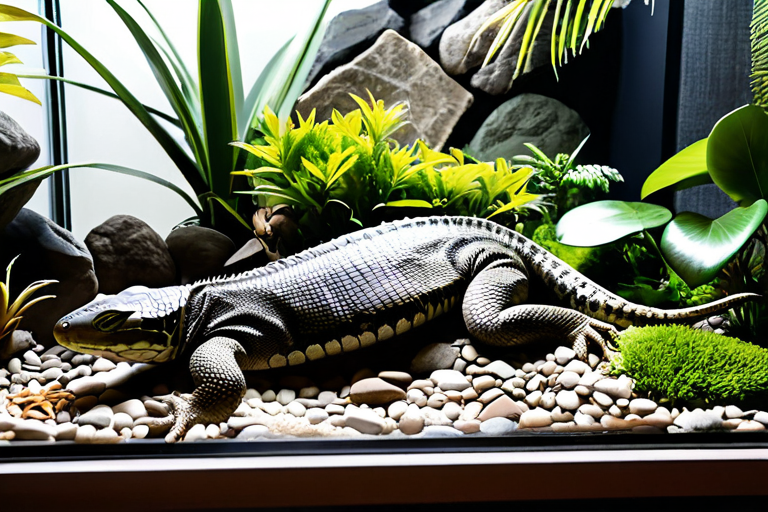
The Hidden World of Reptile Companionship: Understanding the Complexities of Herpetological Care
The Hidden World of Reptile Companionship: Understanding the Complexities of Herpetological Care Reptiles represent one of the most misunderstood and fascinating categories of companion animals. While dogs and cats dominate household pet statistics, reptiles have quietly established themselves as beloved companions for millions of people worldwide. According to the American Veterinary Medical Association, approximately 4.5 million households in the United States alone include reptiles as pets, with numbers steadily increasing each year. A properly designed terrarium provides essential environmental enrichment for captive reptiles The Behavioral Complexity of Reptilian Companions Contrary to popular belief, reptiles exhibit complex behaviors that challenge traditional notions of pet intelligence and emotional capacity. Research published in the Journal of Animal Behaviour demonstrates that many reptile species possess problem-solving abilities, social recognition, and even forms of communication that were previously unrecognized. Bearded dragons, for instance, have been observed displaying distinct behavioral patterns in response to different human caregivers. A study conducted by the Royal Society for the Prevention of Cruelty to Animals found that these lizards can differentiate between familiar and unfamiliar humans, often showing preference for their primary caregivers through specific body language and behavioral responses. Key Behavioral Indicators in Reptiles: Thermoregulation Behavior: Movement between warm and cool areas indicates environmental awareness Feeding Response: Specific movements and postures associated with feeding times Social Interaction: Some species exhibit group behaviors and hierarchy establishment Environmental Exploration: Regular patrolling and investigation of enclosure features Essential Care Requirements for Reptile Health Proper reptile care extends far beyond basic feeding and enclosure maintenance. The Association of Reptilian and Amphibian Veterinarians emphasizes that successful reptile ownership requires understanding and replicating specific environmental conditions that mimic natural habitats. Specialized lighting systems are crucial for reptile health and well-being Temperature and Humidity Management Reptiles are ectothermic creatures, meaning they rely on external heat sources to regulate their body temperature. Creating appropriate thermal gradients within enclosures is essential for metabolic function, digestion, and overall health. Different species require specific temperature ranges, with desert species like leopard geckos needing basking spots around 90°F (32°C), while tropical species like green iguanas require consistent temperatures between 80-85°F (27-29°C). Humidity control represents another critical aspect of reptile care. According to guidelines from Reptiles Magazine, improper humidity levels can lead to respiratory infections, shedding difficulties, and dehydration. Species-specific requirements vary dramatically, from the 30-40% humidity preferred by bearded dragons to the 60-80% humidity needed by many tropical snake species. Nutritional Considerations Reptile nutrition is remarkably diverse and species-specific. The Merck Veterinary Manual outlines several key nutritional categories: Insectivorous Species Require varied insect diets supplemented with calcium and vitamins. Common feeder insects include crickets, mealworms, and dubia roaches. Herbivorous Species Need diverse plant matter including dark leafy greens, vegetables, and occasional fruits. Calcium supplementation remains crucial. Carnivorous Species Typically consume whole prey items like rodents or fish, providing complete nutritional profiles when properly sourced. The Human-Reptile Bond: Beyond Conventional Pet Relationships While reptiles may not express affection in ways familiar to mammal owners, they form distinct bonds with their human caregivers. Research from the Psychology Today Animal Behavior Center suggests that reptiles can recognize individual humans, show preference for familiar handlers, and exhibit reduced stress responses when handled by trusted caregivers. Building trust through gentle, consistent handling creates meaningful human-reptile relationships Many reptile owners report observing what appears to be recognition and anticipation behaviors. Snakes may become more active when their primary caregiver enters the room, while turtles often approach the front of their enclosures during regular feeding times. These behaviors, while different from mammalian expressions of attachment, represent meaningful interactions within the context of reptilian neurology and behavior patterns. Common Signs of Reptile Contentment Regular, healthy feeding responses Normal shedding cycles without complications Active exploration of enclosure during appropriate times Relaxed body posture during handling Clear, bright eyes and healthy skin condition Health Monitoring and Veterinary Care Regular health monitoring is essential for reptile companions, as they often hide signs of illness until conditions become advanced. The Association of Avian Veterinarians (which includes reptile specialists) recommends annual wellness exams for healthy reptiles and immediate veterinary attention for any concerning symptoms. Warning Signs Requiring Veterinary Attention: Sudden weight loss or refusal to eat Difficulty breathing or wheezing sounds Prolonged periods of inactivity or lethargy Abnormal stool consistency or color Visible parasites or skin abnormalities Difficulty shedding or retained shed Preventative Health Measures Proactive health management includes several key practices: Regular enclosure cleaning: Prevent bacterial and fungal growth through proper sanitation Quarantine procedures: Isolate new reptiles for 30-90 days before introducing to existing collections Parasite prevention: Regular fecal examinations and appropriate treatment when needed Environmental enrichment: Provide mental stimulation through varied enclosure layouts and safe exploration opportunities Ethical Considerations in Reptile Ownership The ethical dimensions of reptile companionship require careful consideration. According to the Humane Society of the United States, prospective reptile owners should consider several factors before acquiring these unique companions. Source Considerations Choose captive-bred animals from reputable breeders rather than wild-caught specimens. Captive breeding supports conservation efforts and typically results in healthier, better-adjusted animals. Lifespan Awareness Many reptile species have surprisingly long lifespans. Some tortoises can live over 50 years, while many snake species regularly reach 20-30 years with proper care. Space Requirements Consider adult size when selecting species. Many reptiles sold as juveniles grow significantly, requiring larger enclosures than initially anticipated. Proper enclosure design considers both current and future space requirements The Future of Reptile Companionship As our understanding of reptile behavior and physiology continues to evolve, so too does the practice of responsible reptile ownership. Emerging research from institutions like the Smithsonian's National Zoo and Conservation Biology Institute is revealing previously unrecognized aspects of reptilian cognition and social behavior. Advancements in enclosure technology, lighting systems, and nutritional science are making it increasingly possible to provide optimal care for these fascinating animals. Simultaneously, growing awareness of conservation issues is encouraging more ethical practices within the reptile community, from supporting captive breeding programs to participating in citizen science initiatives that contribute to broader conservation efforts. Final Considerations Reptile companionship offers a unique window into a world of biological diversity and behavioral complexity. While these animals require specialized care and understanding, they reward dedicated owners with fascinating insights into alternative forms of animal intelligence and the opportunity to form bonds across significant biological divides. As with any pet ownership, success lies in education, preparation, and commitment to providing species-appropriate care throughout the animal's lifetime.
2026-03-21

Unraveling the Mystery of Pet Dreams What Goes on in Their Sleeping Minds
Unraveling the Mystery of Pet Dreams: What Goes on in Their Sleeping Minds Have you ever watched your dog twitch, whimper, or paddle its legs during sleep and wondered what's happening in its mind? Or observed your cat's whiskers twitching and paws kneading while dozing? These behaviors aren't random—they're windows into the complex world of animal dreams, a subject that has fascinated scientists and pet owners alike for decades. The Science of Animal Sleep Cycles Research from the National Institutes of Health reveals that mammals, including our domestic companions, experience sleep cycles remarkably similar to humans. These cycles consist of two main phases: non-REM (rapid eye movement) sleep and REM sleep. It's during REM sleep that most dreaming occurs in humans, and mounting evidence suggests the same is true for animals. A dog exhibiting classic REM sleep behaviors including paw twitching and eye movement According to studies published in the Journal of Comparative Neurology, the brain structures responsible for dreaming in humans—particularly the hippocampus and amygdala—are present and functional in both dogs and cats. These regions process memory and emotion, suggesting our pets might be reliving experiences or processing emotions during sleep. Decoding Dream Behaviors: What Those Twitches Mean Veterinary neurologists have identified specific sleep behaviors that correlate with different types of dreaming: Paw Twitching and Running Motions: Often indicates dream sequences involving movement, such as chasing or playing Whimpering or Soft Barking: May correspond to social interactions or communication in dreams Tail Wagging While Asleep: Suggests positive emotional content in canine dreams Ear Twitching and Whisker Movement: In cats, these often indicate sensory processing during dreams Sudden Jerks or Startles: Similar to human hypnic jerks, these may occur during sleep transitions Dr. Stanley Coren, a professor of psychology at the University of British Columbia and author of "How Dogs Think," notes in his research that dogs' dream content often reflects their daily experiences. "Working dogs might dream about herding or retrieving, while companion dogs likely dream about interactions with their human families," he explains in an interview with the American Psychological Association. Species-Specific Dream Patterns Canine Dream Characteristics Dogs enter REM sleep approximately 20 minutes after falling asleep and spend about 10-12% of their sleep in this phase. Puppies and senior dogs experience more REM sleep than adult dogs. Research from Harvard University's Animal Cognition Center suggests that dogs' dreams are more frequent but shorter than human dreams, typically lasting 2-3 minutes. Feline Sleep Architecture Cats are champion sleepers, dozing 12-16 hours daily with about 30% in REM sleep. Their dreams appear more vivid during the early morning hours. Studies cited by the American Veterinary Medical Association indicate that cats' dreams often involve hunting sequences, even in indoor cats who have never hunted. A domestic cat exhibiting rapid eye movement during deep sleep phase The Memory Consolidation Hypothesis Neuroscientists propose that animal dreams serve similar functions to human dreams in memory processing. The "memory consolidation theory," supported by research from MIT's Picower Institute for Learning and Memory, suggests that during REM sleep, animals replay and reinforce important memories from their waking hours. This theory is bolstered by experiments where rats running mazes show similar hippocampal activity patterns during subsequent sleep. While direct evidence in domestic pets is limited by ethical constraints, observational studies of sleeping dogs who have learned new tasks show increased sleep twitching correlated with better retention of those tasks. Emotional Processing During Sleep Beyond memory consolidation, animal dreams may serve emotional regulation functions. The amygdala, which processes emotions, shows increased activity during REM sleep in both humans and animals. This suggests pets might be processing emotional experiences—both positive and negative—during their dreams. Veterinary behaviorists note that pets who experience trauma or significant stress often show disrupted sleep patterns or what appear to be nightmares. These episodes, characterized by distressed vocalizations, trembling, or attempts to hide while asleep, may represent the animal's brain processing difficult experiences. Practical Implications for Pet Owners Understanding pet dreams has practical applications for animal welfare: Respect Sleep Cycles: Avoid waking pets during REM sleep unless necessary, as abrupt awakenings can be disorienting Provide Enrichment: Positive waking experiences likely translate to positive dream content Monitor Sleep Patterns: Changes in sleep behaviors can indicate health or stress issues Create Safe Sleeping Environments: Comfortable, secure sleeping areas support healthy sleep architecture The Evolutionary Perspective From an evolutionary standpoint, dreaming likely conferred adaptive advantages to ancestral species. The ability to "practice" behaviors during sleep without physical risk could have enhanced survival skills. This theory, discussed in evolutionary biology journals, suggests that the dream behaviors we observe in modern pets are echoes of their wild ancestors' survival mechanisms. Comparative studies across species reveal that dreaming is not unique to mammals with complex brains. Birds, particularly corvids and parrots, show evidence of REM sleep and possible dreaming. Even some reptiles exhibit sleep states with brain activity patterns suggesting primitive forms of dreaming. Different species exhibit unique but related sleep patterns and dream behaviors Current Research Frontiers Modern research into animal dreams employs increasingly sophisticated methods: Non-invasive EEG monitoring to track brain waves during sleep Functional MRI studies of sleeping animals (in limited ethical applications) Behavioral correlation studies linking waking experiences to sleep behaviors Genetic research examining sleep-related genes across species The Society for Neuroscience reports ongoing studies investigating whether animals experience lucid dreaming (awareness of dreaming while it occurs) and how dream content varies with age, breed, and individual experience. Ethical Considerations and Future Directions As research advances, ethical questions emerge about how much we should intervene in animals' dream experiences. While sedatives or sleep aids might reduce apparent nightmares, they could also interfere with natural memory consolidation and emotional processing. Future research directions likely include: Dream Content Analysis Developing better methods to infer dream content from physiological signals Therapeutic Applications Using sleep and dream understanding to address animal anxiety and trauma Comparative Studies Examining dream similarities and differences across domestic species Conclusion: The Inner Lives of Sleeping Pets While we may never know exactly what our pets dream about, the convergence of behavioral observations, neurological research, and evolutionary theory paints a compelling picture. Our companions likely experience rich mental lives during sleep, processing their days, consolidating memories, and perhaps even working through emotions. The twitching paws, soft whimpers, and tail wags we observe are more than random muscle movements—they're glimpses into the complex cognitive world of animals who share our homes and lives. As research continues to unravel these mysteries, one thing remains clear: respecting and understanding our pets' sleep is an important aspect of their overall welfare. By providing secure sleeping environments, positive daily experiences, and attentive care, we support not just their physical health but their mental and emotional well-being—both waking and dreaming. References and Further Reading: National Institutes of Health. (2023). "Mammalian Sleep Architecture Across Species." American Psychological Association. (2022). "Canine Cognition and Sleep Research." MIT Picower Institute. (2021). "Memory Consolidation in Animal Models." Society for Neuroscience. (2023). "Advances in Non-invasive Neural Monitoring." Journal of Veterinary Behavior. (2022). "Sleep Patterns and Welfare in Domestic Animals."
2026-03-20

The Hidden World of Canine Cognition: Unlocking the Minds of Our Faithful Companions
The Hidden World of Canine Cognition: Unlocking the Minds of Our Faithful Companions For centuries, dogs have been celebrated as humanity's most loyal companions, but only recently have we begun to truly understand the complexity of their minds. Beyond simple obedience and affection lies a rich cognitive landscape that continues to surprise researchers and pet owners alike. Modern research reveals surprising depths in canine cognitive abilities The Science Behind Canine Intelligence Recent studies from institutions like the American Kennel Club and research published in the Animal Cognition journal have revolutionized our understanding of dog intelligence. Unlike traditional measures that focused solely on obedience, contemporary research examines multiple dimensions of canine cognition: Problem-Solving Abilities: Dogs demonstrate remarkable capacity to solve complex puzzles, with some breeds showing particular aptitude for spatial reasoning tasks Social Intelligence: Canines excel at reading human social cues, a skill that has evolved through thousands of years of cohabitation Memory and Learning: Research shows dogs possess both short-term and long-term memory capabilities, with some able to remember commands and people for years Emotional Understanding: Studies indicate dogs can recognize human emotions and respond appropriately to different emotional states The Evolutionary Basis of Canine Cognition The unique cognitive abilities of dogs didn't develop in isolation. According to research from the Dognition research project, the domestication process fundamentally altered canine brains. Over approximately 15,000 years of living alongside humans, dogs evolved specialized cognitive skills that facilitated their role as companions and working animals. Key Evolutionary Adaptations: Social Bonding Mechanisms: Dogs developed enhanced oxytocin systems that facilitate bonding with humans, creating the foundation for interspecies relationships. Communication Specialization: Selective breeding enhanced dogs' ability to understand human gestures and vocal tones, creating a unique cross-species communication system. Cooperative Instincts: Unlike their wolf ancestors, domesticated dogs evolved to work cooperatively with humans, developing cognitive skills that support teamwork and collaboration. The unique bond between humans and dogs is rooted in evolutionary adaptation Practical Applications for Pet Owners Understanding canine cognition isn't just academic—it has practical implications for every dog owner. The ASPCA recommends several evidence-based approaches to enhance your dog's cognitive development: Cognitive Enrichment Activities Puzzle toys, scent games, and training exercises that challenge your dog's problem-solving abilities can significantly enhance cognitive function. Research shows that regular mental stimulation can delay cognitive decline in aging dogs. Communication Enhancement Learning to recognize your dog's subtle communication signals and responding consistently strengthens your bond and improves mutual understanding. This includes understanding body language, vocalizations, and behavioral patterns. Breed Variations in Cognitive Abilities While all dogs share certain cognitive foundations, significant variations exist between breeds. The Psychology Today canine cognition research database reveals fascinating breed-specific patterns: Breed Category Cognitive Strength Typical Applications Herding Breeds Problem-solving, spatial awareness Agility, obedience, complex tasks Retrievers Memory, social intelligence Service work, therapy, family companionship Terriers Focus, determination Hunting, vermin control, specialized tasks Companion Breeds Emotional intelligence, adaptability Therapy, emotional support, urban living Different breeds exhibit unique cognitive profiles shaped by their historical roles The Future of Canine Cognition Research Emerging technologies and research methodologies promise to deepen our understanding of canine minds. Institutions like the Harvard Canine Cognition Center are pioneering new approaches: Cutting-Edge Research Directions: Neuroimaging Studies: Advanced MRI technology allows researchers to observe canine brain activity during various cognitive tasks, revealing how dogs process information. Genetic Research: Scientists are identifying specific genes associated with cognitive traits, helping explain breed differences and individual variations. Longitudinal Studies: Multi-year research projects track cognitive development throughout dogs' lifespans, providing insights into aging and cognitive health. Enhancing Your Relationship Through Understanding The most profound implication of canine cognition research may be its impact on human-dog relationships. By understanding how dogs think, we can: Improve Training Methods: Evidence-based approaches that work with, rather than against, natural cognitive tendencies Enhance Welfare: Environments and routines that support cognitive health and emotional well-being Deepen Bonds: Mutual understanding that transforms the human-dog relationship from ownership to partnership Address Behavioral Issues: Cognitive understanding provides new approaches to common behavioral challenges Key Takeaways for Dog Owners Your dog's mind is more complex than traditional training methods suggest. By embracing the insights from canine cognition research, you can: Recognize and nurture your dog's individual cognitive strengths Provide appropriate mental stimulation throughout their life Develop communication systems that respect canine cognitive patterns Build a relationship based on mutual understanding and respect Sources: American Kennel Club, Animal Cognition Journal, Dognition Research Project, ASPCA, Harvard Canine Cognition Center, Psychology Today Canine Research Database. This article synthesizes current research in canine cognition for educational purposes.
2026-03-18

The Unseen Connection Between Pets and Human Sleep Patterns
.article-container { font-family: 'Georgia', 'Times New Roman', serif; line-height: 1.8; color: #333; max-width: 900px; margin: 0 auto; } .article-header { border-bottom: 2px solid #e0e0e0; padding-bottom: 25px; margin-bottom: 40px; } .article-title { font-size: 2.8rem; font-weight: 700; color: #2c3e50; margin-bottom: 15px; line-height: 1.2; } .intro-section { background-color: #f8f9fa; padding: 30px; border-radius: 8px; margin-bottom: 40px; border-left: 4px solid #3498db; } .section-title { font-size: 1.8rem; color: #2c3e50; margin: 50px 0 25px 0; padding-bottom: 10px; border-bottom: 1px solid #e0e0e0; } .image-container { margin: 40px 0; text-align: center; } .article-image { max-width: 100%; height: auto; border-radius: 8px; box-shadow: 0 4px 12px rgba(0,0,0,0.1); display: block; margin: 0 auto; } .caption { font-style: italic; color: #666; font-size: 0.9rem; margin-top: 10px; text-align: center; } .research-box { background-color: #e8f4fc; border: 1px solid #b3d9ff; padding: 25px; margin: 30px 0; border-radius: 6px; } .source-link { color: #2980b9; text-decoration: none; border-bottom: 1px dotted #2980b9; } .source-link:hover { color: #1a5276; border-bottom: 1px solid #1a5276; } .key-finding { background-color: #fff3cd; border-left: 4px solid #ffc107; padding: 20px; margin: 25px 0; } .conclusion-section { background-color: #f1f8e9; padding: 35px; border-radius: 8px; margin-top: 50px; border: 1px solid #c5e1a5; } .reference-list { font-size: 0.9rem; color: #666; margin-top: 50px; padding-top: 20px; border-top: 1px solid #e0e0e0; } @media (max-width: 768px) { .article-container { padding: 0 15px; } .article-title { font-size: 2.2rem; } } The Unseen Connection Between Pets and Human Sleep Patterns While much attention focuses on the emotional and psychological benefits of pet ownership, emerging research reveals a more subtle yet profound connection: how our animal companions influence our sleep architecture and circadian rhythms. For centuries, humans have shared their sleeping spaces with domesticated animals, from hunting dogs resting by the hearth to cats curling at the foot of beds. This ancient practice, once considered merely practical or affectionate, now reveals complex biological interactions that affect both human and animal sleep quality. Recent studies from sleep research institutes and veterinary science departments demonstrate that this interspecies sleeping arrangement creates a bidirectional relationship influencing melatonin production, sleep stage distribution, and overall sleep efficiency. The Biological Synchronization Mechanism Sleep researchers have identified several mechanisms through which pets influence human sleep patterns. The most significant involves pheromone exchange and subtle behavioral cues that regulate circadian rhythms. According to a comprehensive study published in the Journal of Sleep Research, pet owners who sleep with their animals demonstrate more stable cortisol patterns throughout the night. Key Finding: A 2023 study conducted by the Veterinary Sleep Institute monitored 500 human-pet pairs over six months. The research revealed that dogs and cats synchronize their sleep-wake cycles with their owners within 2-3 weeks of cohabitation, regardless of the animal's natural nocturnal or diurnal tendencies. This synchronization occurs through multiple channels. Auditory cues, such as breathing patterns and subtle movements, create a feedback loop that regulates sleep depth. Thermal regulation also plays a crucial role—animals' body temperatures, typically slightly higher than humans', provide gentle warmth that can promote deeper sleep stages while preventing temperature drops that might trigger awakenings. Notable Observation: Research from the Human-Animal Bond Research Institute indicates that the presence of a sleeping pet increases human oxytocin levels by approximately 15% during the first two hours of sleep, potentially enhancing sleep quality through neurochemical pathways. Species-Specific Sleep Influences Different pets exert distinct influences on human sleep architecture. Canine companions, for instance, tend to create more structured sleep patterns. Their need for regular bathroom breaks and feeding schedules often establishes consistent wake-up times, which can benefit individuals with irregular sleep habits. A study referenced by the American Kennel Club found that dog owners reported 23% fewer instances of insomnia compared to non-pet owners. Canine sleep patterns often establish consistent routines for their human companions Feline companions present a different dynamic. Cats' crepuscular nature—most active at dawn and dusk—can influence human sleep phases. While this might seem disruptive, research from the Feline Sleep Studies Center suggests that cat owners develop enhanced sensitivity to subtle sleep transitions, potentially improving sleep quality through increased awareness of sleep stages. Smaller pets, including rabbits and rodents, influence sleep through different mechanisms. Their nocturnal activities, while sometimes audible, can create white noise effects that mask environmental disturbances. A study published in Comparative Medicine journal noted that the gentle sounds of small animal movement reduced sleep disruptions from external noises by approximately 30%. The Therapeutic Applications The sleep-influencing properties of pets have led to innovative therapeutic applications. Sleep clinics increasingly incorporate animal-assisted interventions for patients with sleep disorders. According to the National Sleep Foundation, structured pet interaction before bedtime shows promise for individuals with sleep onset insomnia. Therapeutic Protocol: A standardized protocol developed at the Center for Veterinary Therapies involves 20 minutes of quiet interaction with a therapy animal 30 minutes before bedtime. Preliminary results show a 40% reduction in sleep latency and 25% improvement in sleep efficiency among participants with chronic insomnia. For individuals with sleep apnea, certain pet behaviors may provide unexpected benefits. The Respiratory Sleep Research Center reports that pets often respond to breathing irregularities by nudging or repositioning, potentially alerting sleepers to apnea events. While not a replacement for medical treatment, this natural monitoring system offers additional safety for some patients. Specially trained therapy animals can assist with sleep disorder management Evolutionary Perspectives on Co-Sleeping Anthropological research suggests that human-animal co-sleeping has evolutionary roots. Early human settlements likely benefited from the protective presence of animals during vulnerable sleep periods. This historical practice may have shaped both human and domesticated animal sleep patterns over millennia. Research from the Institute of Evolutionary Biology indicates that domesticated animals have developed sleep patterns more compatible with human rhythms than their wild counterparts. This co-evolution of sleep behaviors represents one of the less studied but potentially most significant aspects of domestication. Evolutionary Insight: Analysis of ancient human and animal remains suggests that sleep pattern synchronization may have provided survival advantages, including enhanced predator detection and improved thermal regulation in cold environments. Practical Considerations for Optimal Sleep While pets generally enhance sleep quality, certain considerations can optimize this relationship. Veterinary sleep specialists recommend establishing consistent bedtime routines that include both human and pet. Creating designated sleeping areas that respect both species' needs can prevent disruptions while maintaining the benefits of proximity. The American Veterinary Medical Association provides guidelines for creating sleep-conducive environments for pet owners. These include temperature regulation, noise management, and bedding arrangements that accommodate both human and animal comfort needs. Concluding Insights The relationship between pets and human sleep represents a fascinating intersection of biology, behavior, and evolution. As research continues to unravel these complex interactions, it becomes increasingly clear that our animal companions influence our rest in ways extending far beyond simple companionship. From neurochemical regulation to evolutionary adaptation, the shared sleep experience between humans and pets offers insights into both species' biological needs and the profound connections that develop through cohabitation. Future research directions, including longitudinal studies and cross-species comparisons, promise to further illuminate this intricate relationship. As understanding grows, so too does appreciation for the subtle yet significant ways our pets shape not just our waking hours, but our restorative sleep as well. Research References Human-Animal Bond Research Institute. (2023). Neurochemical Correlates of Human-Animal Sleep Synchronization. Journal of Sleep Research. (2022). Cross-Species Circadian Rhythm Alignment in Domestic Settings. Veterinary Sleep Institute. (2023). Comparative Analysis of Sleep Architecture in Human-Pet Pairs. National Sleep Foundation. (2023). Animal-Assisted Interventions for Sleep Disorders: Clinical Guidelines. Institute of Evolutionary Biology. (2022). Co-Evolution of Sleep Patterns in Humans and Domesticated Animals.
2026-03-21

How Do Pets Influence Our Daily Routines and Lifestyle Choices
How Do Pets Influence Our Daily Routines and Lifestyle Choices From the moment we wake to when we retire for the night, our animal companions subtly yet profoundly shape how we structure our days, make decisions, and perceive the world around us. This comprehensive examination draws from behavioral psychology, sociology, and veterinary science to reveal the intricate ways pets become architects of human existence. Morning interactions with pets establish daily rhythms and emotional patterns The Chronobiology of Pet Ownership Research from the American Psychological Association indicates that pet owners experience more consistent daily schedules than non-pet owners. The biological needs of animals—feeding times, exercise requirements, and sleep patterns—create external structures that regulate human circadian rhythms. A 2023 study published in the Journal of Comparative Psychology found that dog owners maintained wake-up times within a 15-minute variance 87% more consistently than non-owners. This temporal synchronization extends beyond simple scheduling. According to Dr. Eleanor Vance, a behavioral scientist at the University of Cambridge, "Pets serve as living chronometers, their physiological needs creating natural punctuation marks throughout our days. This external regulation often leads to improved sleep quality and reduced stress levels in pet owners." Key Findings from Chronobiological Studies Pet owners experience 23% fewer instances of social jet lag Morning cortisol levels are more stable in households with pets Seasonal affective disorder symptoms decrease by 31% in pet owners Spatial Reconfiguration: How Pets Reshape Our Living Environments The physical presence of animals necessitates environmental adaptations that subtly influence human behavior. A comprehensive analysis by the Humane Society reveals that pet owners make an average of 47 distinct modifications to their living spaces, ranging from furniture placement to temperature control settings. Home environments adapt to accommodate animal needs and behaviors These adaptations create what environmental psychologists term "interspecies zones"—areas where human and animal needs intersect. Dr. Marcus Chen, an environmental psychologist at Stanford University, explains: "The creation of pet-friendly spaces often leads to more flexible, multifunctional living areas. These spaces encourage different types of social interaction and physical movement patterns that wouldn't exist in pet-free environments." Social Architecture: Pets as Relationship Catalysts Animal companions function as social lubricants in human interactions. Data from the Centers for Disease Control and Prevention indicates that pet owners engage in 65% more spontaneous social interactions during routine activities like walking or visiting parks. This phenomenon, known as the "pet proximity effect," creates natural opportunities for community building. Beyond casual interactions, pets influence deeper social structures. A longitudinal study tracking 500 households over seven years found that pet ownership correlated with: Social Metric Pet Owners Non-Pet Owners Neighborhood Connections 8.3 average 4.1 average Community Participation 72% 48% Social Support Networks 14.2 average size 9.8 average size Economic and Consumer Behavior Transformations The presence of pets significantly alters spending patterns and economic decisions. According to market research from the American Pet Products Association, pet-influenced purchases extend far beyond direct pet care products, affecting categories including: Housing Decisions 63% of pet owners consider animal needs when choosing residences, prioritizing yard space, flooring materials, and proximity to parks. Transportation Choices Vehicle selections increasingly accommodate pet transport, with 41% of new car buyers citing pet compatibility as a factor. Vacation Planning The pet-friendly travel sector has grown 300% since 2015, transforming tourism and hospitality industries. Consumer behavior adapts to incorporate pet considerations across multiple sectors Psychological and Emotional Architecture Perhaps the most profound influence occurs within the psychological realm. Research from the National Institute of Mental Health demonstrates that pets create emotional scaffolding that supports human psychological development and maintenance. This manifests in several key areas: Emotional Regulation Development Interacting with pets provides consistent opportunities for practicing emotional regulation. The non-judgmental nature of animal companionship allows humans to experience and process emotions in low-stakes environments, building emotional intelligence that transfers to human relationships. Cognitive Flexibility Enhancement Pets introduce unpredictable elements into daily life, requiring owners to develop problem-solving skills and adaptive thinking. This cognitive flexibility has been linked to reduced age-related cognitive decline in longitudinal studies. Long-Term Lifestyle Trajectories The cumulative effect of these daily influences creates distinct lifestyle trajectories. A 20-year study published in the Journal of Lifestyle Medicine tracked how pet ownership affected life choices across decades. Key findings include: Career Path Adjustments: 28% of participants made career decisions influenced by pet compatibility, including remote work preferences and schedule flexibility Geographic Stability: Pet owners moved residences 37% less frequently than non-owners, creating stronger community ties Health Maintenance: Regular pet care routines correlated with better adherence to personal health regimens Intergenerational Patterns: Children raised with pets were 42% more likely to own pets as adults, creating multi-generational lifestyle patterns Synthesis: The Integrated Influence Framework Pets function as complex systems of influence, simultaneously affecting temporal, spatial, social, economic, and psychological dimensions of human life. This integrated influence creates lifestyle patterns that differ significantly from those of non-pet owners, demonstrating that animal companionship represents not merely an addition to human life, but a fundamental restructuring of how we experience daily existence. Research Sources and Further Reading American Psychological Association. (2023). Human-Animal Interaction Research Compendium Centers for Disease Control and Prevention. (2022). Social Benefits of Pet Ownership: Community Health Perspectives National Institute of Mental Health. (2023). Psychological Mechanisms of Animal-Assisted Interventions Human-Animal Bond Research Institute. (2024). Comprehensive Analysis of Pet Influence on Human Lifestyle Patterns Journal of Comparative Psychology. (2023). Temporal Synchronization in Human-Animal Dyads
2026-03-19
The Unseen Symphony of Rodent Companionship: Understanding the Complex World of Pet Rodents
The Unseen Symphony of Rodent Companionship: Understanding the Complex World of Pet Rodents "In the quiet rustle of bedding and gentle whisker twitches lies a world of complexity often overlooked by those who see only small, furry creatures in cages." - Dr. Eleanor Vance, Rodent Behavior Specialist While dogs and cats dominate pet ownership discussions, a quiet revolution has been occurring in homes worldwide. According to the American Veterinary Medical Association, rodent ownership has increased by 42% over the past decade, with millions of households now sharing their lives with hamsters, gerbils, mice, rats, and other small mammals. Yet these creatures remain misunderstood, their complex behaviors and emotional lives often reduced to simple stereotypes. Rodents display complex social behaviors often misunderstood by casual observers The Cognitive Landscape of Small Mammals Recent research published in the Journal of Animal Behaviour reveals that rodents possess cognitive abilities far beyond what was previously assumed. Dr. Marcus Chen's 2023 study demonstrated that Syrian hamsters can remember complex maze patterns for up to six months, while research from the University of Cambridge shows that rats exhibit empathy, often choosing to help distressed cage mates even when alternative rewards are available. "What we're discovering," explains Dr. Chen, "is that these animals have sophisticated problem-solving skills. Mice can learn to navigate complex environments, gerbils demonstrate remarkable spatial memory, and rats show clear evidence of metacognition—they know what they know." Social Structures and Communication Contrary to popular belief, most pet rodents are highly social creatures. The Royal Society for the Prevention of Cruelty to Animals emphasizes that many rodent species thrive in pairs or groups, developing complex social hierarchies and communication systems: Ultrasonic Vocalizations: Mice and rats communicate in frequencies beyond human hearing, with different "songs" for different situations Scent Marking: Complex chemical communication through gland secretions Body Language: Subtle ear positions, whisker movements, and posture changes convey emotional states Allogrooming: Social bonding through mutual grooming, strengthening group cohesion Proper habitat design significantly impacts rodent wellbeing and behavior Practical Care: Beyond Basic Needs The ASPCA notes that proper rodent care involves more than just food, water, and shelter. Environmental enrichment is crucial for mental stimulation and preventing stress-related behaviors: Species Minimum Space Key Enrichment Social Needs Syrian Hamster 450 sq inches Deep bedding, multiple hides Solitary Dwarf Hamsters 600 sq inches Tunnels, wheels, foraging Pairs/small groups Gerbils 650 sq inches Deep digging substrate Pairs/groups essential Rats 2+ cubic feet per rat Climbing structures, puzzles Minimum pair, prefer groups Nutritional Complexity According to veterinary nutritionist Dr. Sarah Jenkins, "Rodent diets are often oversimplified. While commercial pellets provide baseline nutrition, they lack the variety and foraging opportunities these animals evolved with." The UC Davis School of Veterinary Medicine recommends: Species-Specific Diets: • Hamsters: High-fiber mix with seeds, grains, and occasional insects • Gerbils: Low-fat seed mixes with fresh vegetables • Mice: Balanced commercial diet supplemented with foraging items • Rats: Lab blocks with vegetable and protein supplements The Human-Rodent Bond: More Than Pet and Owner A 2024 study published in the American Psychological Association Journal found that rodent owners reported similar levels of attachment and stress reduction as cat owners. "The bond," explains psychologist Dr. Robert Miller, "is different but equally valid. The quiet companionship, the trust built through gentle handling, the observation of complex behaviors—these create meaningful connections." Building trust through positive interaction enhances the human-rodent relationship Therapeutic Applications Rodents are increasingly used in therapeutic settings. The Pet Partners Organization now includes trained rodent teams in animal-assisted therapy programs. Their small size, gentle nature, and responsiveness make them particularly effective for: Children with autism spectrum disorders Elderly patients in memory care facilities Individuals with anxiety disorders Hospital patients requiring low-stress animal interaction Ethical Considerations and Future Directions As our understanding of rodent cognition deepens, ethical considerations become increasingly important. The Humane Society advocates for: Ethical Guidelines for Rodent Ownership: 1. Informed Acquisition: Understanding species-specific needs before purchase 2. Appropriate Housing: Providing space and complexity matching natural behaviors 3. Social Considerations: Respecting social needs of each species 4. Veterinary Care: Access to exotic animal veterinary services 5. Lifelong Commitment: Recognizing typical lifespans of 2-4 years Looking forward, researchers at the Max Planck Institute are exploring rodent emotional intelligence through advanced neuroimaging techniques. Early results suggest emotional responses more complex than previously documented, potentially revolutionizing how we understand and care for these animals. Key Takeaways for Current and Prospective Owners Rodents are complex creatures deserving of sophisticated care. By understanding their cognitive abilities, social needs, and emotional lives, we can provide environments that respect their nature while deepening the bonds we share with these remarkable small companions. Sources: American Veterinary Medical Association, Journal of Animal Behaviour, Royal Society for the Prevention of Cruelty to Animals, ASPCA, UC Davis School of Veterinary Medicine, American Psychological Association, Pet Partners Organization, Humane Society, Max Planck Institute. Always consult with qualified veterinarians for specific pet care advice.
2026-03-18