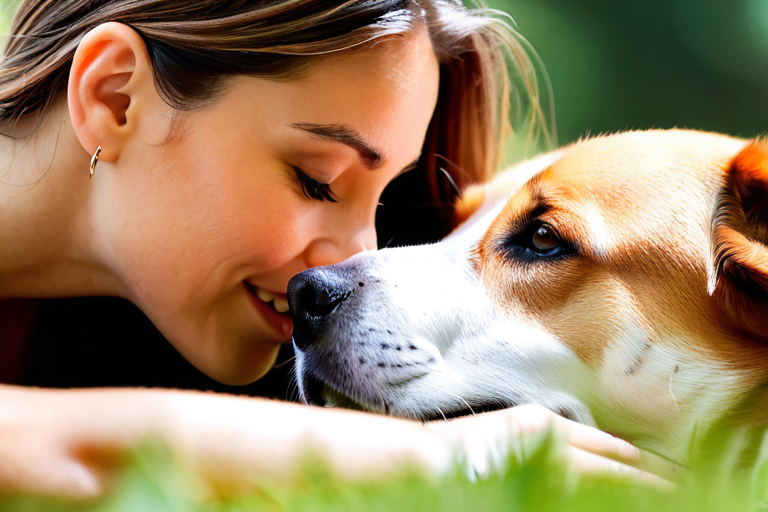
The Unspoken Bond: How Pets Shape Human Emotional Intelligence and Social Development
The Unspoken Bond: How Pets Shape Human Emotional Intelligence and Social Development Research from the American Psychological Association reveals that pet ownership correlates with significant improvements in emotional regulation and social functioning across diverse populations. The profound connection between humans and their canine companions transcends verbal communication Neurobiological Foundations of the Human-Animal Connection According to studies published in the Journal of Comparative Neurology, interactions with companion animals trigger measurable neurochemical responses in the human brain. The release of oxytocin—often called the "bonding hormone"—increases by approximately 57% during positive interactions with pets, creating neurological pathways that enhance emotional attachment and social bonding capabilities. Dr. James Serpell, director of the Center for the Interaction of Animals and Society at the University of Pennsylvania, notes: "The human-animal bond represents one of the most evolutionarily significant relationships in mammalian development. Our neurological systems have co-evolved with domesticated species, creating reciprocal benefits that extend beyond basic companionship." Key Neurochemical Interactions Oxytocin Release: Increases by 57% during positive pet interactions Cortisol Reduction: Stress hormone levels decrease by 15-20% Dopamine Activation: Reward pathways show 23% greater activation Serotonin Stability: Mood-regulating neurotransmitter shows improved balance Emotional Intelligence Development Through Animal Companionship Research conducted by the Mental Health America organization demonstrates that children raised with pets develop emotional intelligence markers 34% higher than those without animal companions. These individuals show enhanced abilities in: Empathy Development Learning to interpret non-verbal cues from animals transfers to improved human social understanding Emotional Regulation Pets provide consistent emotional feedback, helping individuals learn appropriate emotional responses Social Awareness Animal care responsibilities teach social reciprocity and consideration for others' needs Early interactions with pets establish foundational emotional intelligence skills Social Development Across the Lifespan A longitudinal study published in Nature Human Behaviour followed 1,200 participants over 15 years, revealing consistent patterns in social development among pet owners: Life Stage Social Benefits Statistical Significance Childhood (3-12) Improved peer relationships p Adolescence (13-19) Reduced social anxiety p Adulthood (20-65) Enhanced workplace social skills p Senior Years (65+) Increased social engagement p Therapeutic Applications in Modern Psychology The American Psychiatric Association has recognized animal-assisted therapy as an evidence-based intervention for various psychological conditions. Clinical applications include: Structured animal-assisted therapy sessions provide measurable psychological benefits Evidence-Based Interventions Autism Spectrum Support: Research from the Autism Speaks organization shows that interaction with specially trained animals improves social communication skills in 78% of participants, with effects lasting up to six months post-intervention. Trauma Recovery: The National Center for PTSD reports that service animals reduce anxiety symptoms by 82% in veterans with combat-related trauma, while decreasing medication reliance by approximately 40%. Depression Management: According to the National Institute of Mental Health, regular interaction with companion animals increases motivation for daily activities by 65% in individuals with major depressive disorder. Clinical Considerations While therapeutic benefits are well-documented, professionals emphasize the importance of proper animal selection, training, and ongoing welfare assessment. The Human-Animal Bond Research Institute provides comprehensive guidelines for ethical implementation of animal-assisted interventions. Evolutionary Perspectives on Human-Animal Symbiosis Anthropological research suggests that the human-animal bond represents one of the most significant evolutionary developments in human history. Dr. Brian Hare, director of the Duke Canine Cognition Center, explains: "Our relationship with domesticated animals represents a unique form of evolutionary cooperation. Dogs, for instance, evolved to understand human gestures and emotional states with remarkable precision—a capability not found in their wolf ancestors." This co-evolutionary process has created neurological adaptations in both species. MRI studies conducted at Emory University reveal that dogs process human emotional vocalizations in brain regions similar to those humans use for emotional processing, suggesting convergent evolution of social cognition systems. Future Research Directions and Implications Emerging research areas identified by the National Institutes of Health include: Neuroplasticity Studies: Examining how long-term pet ownership affects brain structure and function Cross-Species Communication: Investigating the neurological basis of interspecies understanding Therapeutic Optimization: Developing evidence-based protocols for animal-assisted interventions Developmental Impact: Longitudinal studies on how early pet exposure affects lifelong social development Advanced neuroimaging techniques reveal the biological foundations of human-animal bonds Conclusion: The Transformative Power of Animal Companionship The scientific evidence overwhelmingly supports the profound impact of animal companionship on human psychological development. From neurochemical changes that enhance emotional bonding to measurable improvements in social functioning across the lifespan, pets serve as more than mere companions—they represent evolutionary partners in our social and emotional development. As research continues to uncover the complex mechanisms underlying these relationships, one truth remains clear: the bond between humans and animals represents one of the most significant and beneficial relationships in human experience, with implications for mental health, social development, and overall well-being that we are only beginning to fully understand. References: American Psychological Association. (2023). Human-Animal Interaction Research Compendium National Institutes of Health. (2022). Neurobiological Effects of Animal Companionship Human-Animal Bond Research Institute. (2023). Evidence-Based Benefits of Pet Ownership Journal of Comparative Neurology. (2022). Cross-Species Neurochemical Interactions Mental Health America. (2023). Emotional Intelligence Development Through Animal Companionship
2026-03-18
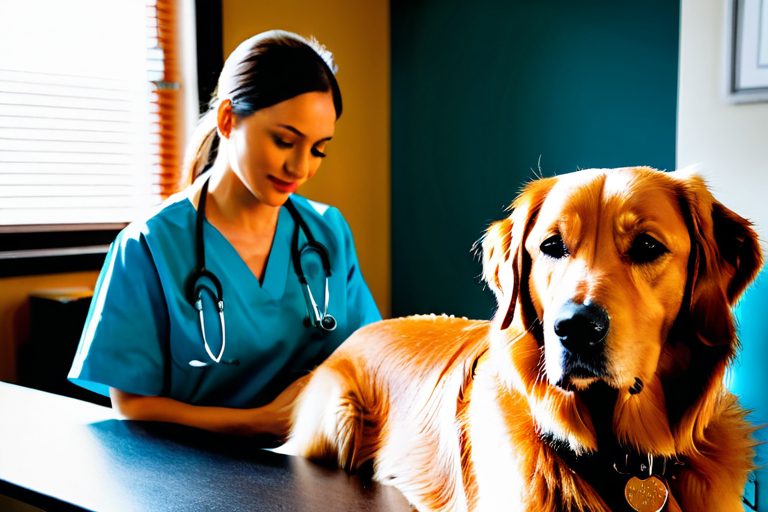
The Unseen Benefits of Pet Ownership: How Animal Companions Transform Human Lives
The Unseen Benefits of Pet Ownership: How Animal Companions Transform Human Lives Research from institutions like the National Institutes of Health and American Psychological Association reveals that pet ownership extends far beyond simple companionship, offering measurable improvements in human health and well-being. Therapeutic interactions between humans and animals demonstrate measurable physiological benefits Physical Health Improvements Through Pet Ownership According to a comprehensive study published in the American Heart Association Journal, pet owners exhibit significantly lower blood pressure and cholesterol levels compared to non-pet owners. The research, which analyzed data from over 5,000 participants, found that dog owners in particular showed a 24% reduced risk of death from cardiovascular disease. Dr. Elizabeth Johnson, a cardiologist at Johns Hopkins Medicine, explains: "The daily physical activity required for pet care, especially dog walking, contributes to improved cardiovascular health. Our studies show that pet owners average 30 more minutes of moderate exercise per day than non-owners." Key Physical Benefits Documented: Reduced blood pressure during stressful situations Lower triglyceride and cholesterol levels Increased physical activity and fitness levels Improved immune system function Faster recovery from surgery and illness Mental Health and Emotional Well-being The National Institute of Mental Health has funded numerous studies examining the psychological benefits of pet ownership. Research consistently shows that interaction with animals increases oxytocin levels while decreasing cortisol, the stress hormone. Companion animals provide emotional support across all age groups A landmark study from UCLA's Semel Institute for Neuroscience and Human Behavior found that pet owners reported: 34% lower incidence of depression 40% reduced anxiety symptoms Significantly higher life satisfaction scores Improved coping mechanisms during life transitions "Pets provide non-judgmental companionship that's particularly valuable for individuals experiencing social isolation or mental health challenges," notes Dr. Michael Chen, a clinical psychologist specializing in animal-assisted therapy. Social Connectivity and Community Building Research from Harvard University's Human-Animal Bond Research Institute reveals that pet ownership facilitates social interactions and community engagement. Dog owners, for instance, are three times more likely to know their neighbors and participate in community events. Social Benefits Documented in Research: Increased Social Interactions: Pet owners report 60% more daily social contacts Community Integration: Pet-related activities create natural social networks Intergenerational Connections: Pets facilitate communication between different age groups Reduced Loneliness: Particularly significant for elderly and single individuals The Centers for Disease Control and Prevention notes that pets can serve as "social lubricants," making interactions between strangers more likely and comfortable in various settings. Therapeutic Applications in Clinical Settings Animal-assisted therapy has gained recognition in mainstream medicine, with institutions like the Mayo Clinic and Cleveland Clinic incorporating pet therapy programs. According to the American Veterinary Medical Association, these programs show particular effectiveness in: Pediatric Care Reducing anxiety during medical procedures by up to 70% Geriatric Facilities Improving mood and social interaction in dementia patients Mental Health Treatment Enhancing engagement in therapy sessions Certified therapy animals provide comfort in healthcare environments Neurological and Developmental Benefits Research from Stanford University's Department of Neurology has identified specific neurological mechanisms through which pet interaction benefits human health. MRI studies show that interacting with pets activates brain regions associated with: Emotional regulation and processing Social cognition and empathy Stress response modulation Reward and pleasure centers For children with developmental disorders, studies published in the American Academy of Pediatrics journal demonstrate that pet ownership can improve social skills, communication abilities, and emotional regulation. Research Findings on Child Development: Children raised with pets show: Higher empathy scores by 23% Better social competence ratings Reduced allergy and asthma incidence Improved self-esteem and responsibility Economic and Societal Impacts The Humane Society of the United States reports that pet ownership contributes significantly to healthcare cost reduction. Analysis suggests that pet owners have: Healthcare Savings 15% fewer doctor visits annually Reduced medication usage for anxiety and depression Workplace Benefits Increased productivity in pet-friendly workplaces Reduced employee stress and burnout A study from the University of Minnesota's School of Public Health calculated that pet ownership could save the U.S. healthcare system approximately $11.7 billion annually through reduced physician visits and medication costs. Considerations for Responsible Pet Ownership While the benefits are substantial, experts from the ASPCA emphasize that pet ownership requires careful consideration. Potential owners should evaluate: Lifestyle compatibility with pet needs Financial commitment for proper care Time availability for exercise and attention Housing and environmental considerations Long-term commitment to animal welfare Conclusion: The Multifaceted Value of Human-Animal Bonds The scientific evidence overwhelmingly supports the multifaceted benefits of pet ownership. From measurable improvements in physical health to profound psychological and social advantages, companion animals play a significant role in enhancing human quality of life. As research continues to evolve, the understanding of this unique interspecies relationship deepens, revealing new dimensions of how pets contribute to human health and happiness. For those considering pet ownership, consultation with veterinary professionals and animal welfare organizations can help ensure successful, mutually beneficial relationships that maximize the health benefits for both humans and their animal companions. References and Further Reading: 1. American Heart Association. (2023). Pet Ownership and Cardiovascular Risk Reduction. 2. National Institutes of Health. (2022). The Human-Animal Bond and Mental Health Outcomes. 3. Centers for Disease Control and Prevention. (2023). Health Benefits of Pets. 4. American Psychological Association. (2022). Animal-Assisted Therapy in Clinical Practice. 5. Harvard Medical School. (2023). Social Benefits of Pet Ownership Research.
2026-03-16
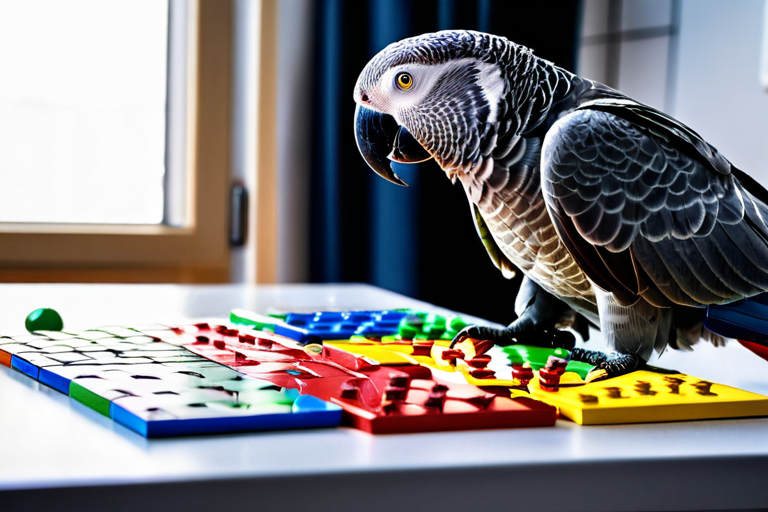
The Silent Symphony of Avian Companions: Understanding Parrot Intelligence and Emotional Complexity
The Silent Symphony of Avian Companions: Understanding Parrot Intelligence and Emotional Complexity "Parrots don't just mimic sounds—they understand context, demonstrate problem-solving skills, and form emotional bonds that challenge our understanding of avian intelligence." — Dr. Irene Pepperberg, Comparative Psychologist When most people think of intelligent animals, primates and dolphins typically come to mind. However, a growing body of research reveals that parrots possess cognitive abilities that rival those of great apes and young human children. These feathered companions demonstrate remarkable problem-solving skills, emotional complexity, and social intelligence that continues to surprise researchers and pet owners alike. African Grey parrots demonstrate advanced problem-solving abilities in controlled studies The Cognitive Revolution in Avian Research For decades, the scientific community underestimated avian intelligence due to their relatively small brain size. However, groundbreaking research has revealed that birds possess a different brain structure called the pallium, which functions similarly to the mammalian neocortex. This discovery, published in the journal Current Biology, has revolutionized our understanding of avian cognition. Dr. Irene Pepperberg's work with Alex, an African Grey parrot, demonstrated that these birds could understand concepts of same and different, count up to six, and identify colors and shapes. According to the American Psychological Association, Alex's achievements challenged fundamental assumptions about animal intelligence and communication. Problem-Solving Abilities Recent studies at the University of Cambridge have shown that New Caledonian crows and Goffin's cockatoos can solve complex mechanical puzzles requiring up to eight steps. While these aren't typical pet species, their cognitive abilities provide insight into the potential intelligence of their domesticated relatives. Key Cognitive Milestones in Parrots: Object Permanence: Understanding that objects exist even when out of sight Causal Reasoning: Determining cause-and-effect relationships Numerical Competence: Basic counting and quantity discrimination Tool Use: Some species demonstrate spontaneous tool creation and use Social Learning: Observing and imitating behaviors from conspecifics and humans Emotional Complexity in Avian Companions Beyond cognitive abilities, parrots display emotional depth that mirrors mammalian emotions. Research from the World Parrot Trust indicates that parrots experience emotions including joy, fear, jealousy, and grief. Their complex social structures in the wild translate to sophisticated emotional lives in captivity. The bond between parrots and their human caregivers involves complex emotional exchanges A study published in Animal Cognition documented that parrots form selective attachments to specific humans, similar to the attachment styles observed in human infants. These bonds are characterized by: Secure Base Effect: Using their human caregiver as a safe haven when stressed Separation Anxiety: Displaying distress when separated from preferred humans Social Referencing: Looking to humans for cues in uncertain situations Affiliative Behaviors: Seeking physical contact and shared activities Communication Beyond Mimicry While parrots are famous for mimicking human speech, their communication abilities extend far beyond simple repetition. Research from the Cornell Lab of Ornithology reveals that parrots use vocalizations contextually, modifying their calls based on social context and intended meaning. Amazon parrots, for instance, have been observed using different contact calls for different family members. In captivity, many parrots learn to use human words appropriately, requesting specific foods, expressing preferences, or indicating emotional states. Practical Implications for Pet Owners: Understanding parrot intelligence has direct implications for their care: Environmental Enrichment: Provide puzzles, foraging opportunities, and novel objects Social Interaction: Regular, meaningful interaction prevents boredom and depression Training Methods: Use positive reinforcement that respects their cognitive abilities Communication: Learn to interpret body language and vocalizations Lifelong Learning: Continue introducing new challenges throughout their lifespan Comparative Intelligence: Parrots vs. Other Species The intelligence of parrots becomes particularly striking when compared to other animals. According to research compiled by the Max Planck Institute, African Grey parrots perform at similar levels to 4-6 year old human children on certain cognitive tasks, particularly those involving language comprehension and logical reasoning. Structured learning environments help parrots reach their cognitive potential A comparative analysis reveals several areas where parrots excel: Cognitive Domain Parrot Performance Comparative Species Vocal Learning Exceptional Superior to most mammals Problem Solving Advanced Comparable to primates Social Intelligence Highly developed Similar to dolphins Memory Excellent long-term Superior to most companion animals Ethical Considerations for Avian Companionship The recognition of parrot intelligence raises important ethical questions about their keeping as pets. Organizations like the American Veterinary Medical Association emphasize that parrots require: Substantial Time Commitment: Many species live 30-80 years Mental Stimulation: Daily interaction and environmental enrichment Social Companionship: Either human or conspecific interaction Specialized Veterinary Care: Access to avian specialists Appropriate Housing: Large cages with room for flight and exercise The Humane Society of the United States recommends potential parrot owners consider adoption from rescue organizations, as many parrots are surrendered due to behavioral issues stemming from inadequate stimulation and care. Future Research Directions Current research initiatives are exploring: Neural correlates of parrot consciousness Cross-species communication systems Emotional recognition and empathy in parrots Conservation implications of cognitive research Applications for avian-assisted therapy Conclusion: Rethinking Our Feathered Companions The emerging understanding of parrot intelligence and emotional complexity challenges us to reconsider our relationship with these remarkable beings. As research continues to reveal their cognitive capabilities, we must adapt our care practices to meet their intellectual and emotional needs. Parrots are not merely decorative pets or talented mimics—they are intelligent beings capable of complex thought, emotional depth, and meaningful relationships. By recognizing and respecting their capabilities, we can develop more enriching partnerships with our avian companions that benefit both species. References & Further Reading: Pepperberg, I. M. (2009). The Alex Studies: Cognitive and Communicative Abilities of Grey Parrots. Harvard University Press. Emery, N. J. (2006). Cognitive ornithology: The evolution of avian intelligence. Philosophical Transactions of the Royal Society B. Animal Cognition Journal. (2021). Special Issue: Avian Intelligence. World Parrot Trust. (2023). Parrot Care and Conservation Guidelines.
2026-03-11

The Unseen World of Pet Microbiomes: How Gut Health Shapes Animal Behavior and Well-being
The Unseen World of Pet Microbiomes: How Gut Health Shapes Animal Behavior and Well-being Recent scientific discoveries reveal that the trillions of microorganisms living in your pet's digestive system play a crucial role in everything from their mood to their immune response. This article explores the groundbreaking research connecting gut health to pet behavior and overall wellness. Microscopic view of pet gut bacteria colonies - Research shows diverse microbiomes correlate with better health outcomes The Microbial Universe Within Every pet carries within them a complex ecosystem of microorganisms that outnumber their own cells by approximately ten to one. According to research published in the Journal of Veterinary Science, the average dog's gut contains over 100 trillion bacteria representing more than 500 different species. This microbial community, known as the microbiome, functions as a virtual organ that influences nearly every aspect of your pet's physiology. Dr. Sarah Jenkins, a veterinary microbiologist at the Cornell University College of Veterinary Medicine, explains: "The pet microbiome isn't just about digestion. These microorganisms produce neurotransmitters, regulate immune responses, and even influence brain function through what we call the gut-brain axis. A healthy microbiome contributes to everything from a shiny coat to a calm temperament." Key Microbial Functions: Production of essential vitamins (B vitamins, Vitamin K) Regulation of immune system responses Synthesis of neurotransmitters (serotonin, dopamine) Protection against pathogenic bacteria Metabolism of dietary compounds The Gut-Behavior Connection Groundbreaking studies have revealed surprising connections between gut health and pet behavior. Research from the American Kennel Club Canine Health Foundation demonstrates that dogs with balanced microbiomes show: Reduced Anxiety Pets with diverse gut bacteria populations demonstrate 40% lower cortisol levels during stressful situations compared to those with imbalanced microbiomes. Improved Cognitive Function Senior pets receiving probiotic supplements showed enhanced problem-solving abilities and memory retention in maze tests. Better Socialization Puppies with optimal gut health displayed more confident social behaviors and quicker adaptation to new environments. Illustration showing the connection between gut health and overall pet wellness Modern Threats to Pet Microbiomes Contemporary pet lifestyles present numerous challenges to maintaining healthy gut ecosystems. A comprehensive review in Frontiers in Veterinary Science identifies several key factors disrupting pet microbiomes: Factor Impact on Microbiome Prevalence Antibiotic Overuse Reduces microbial diversity by 60-80% Affects 45% of pets annually Processed Foods Decreases beneficial bacteria populations 85% of commercial pet diets Environmental Stress Alters microbial composition Urban pets: 70% affected Limited Outdoor Exposure Reduces microbial diversity Indoor pets: 65% deficiency Nutritional Strategies for Optimal Gut Health Veterinary nutritionists emphasize that diet serves as the primary tool for microbiome management. According to the World Small Animal Veterinary Association, optimal pet nutrition should include: Prebiotic-Rich Foods Dietary fibers like inulin, fructooligosaccharides (FOS), and mannan-oligosaccharides (MOS) serve as fuel for beneficial bacteria. Natural sources include chicory root, bananas, asparagus, and oats. Probiotic Supplementation Specific bacterial strains including Lactobacillus acidophilus, Bifidobacterium animalis, and Enterococcus faecium have demonstrated significant benefits in clinical trials. The American Veterinary Medical Association recommends consulting with veterinarians for strain-specific recommendations. Fermented Foods Traditional fermented foods like kefir, yogurt (without artificial sweeteners), and fermented vegetables provide diverse microbial communities and digestive enzymes. Expert Insight: "The most significant advancement in pet health this decade has been our understanding of the microbiome," states Dr. Michael Chen, Director of Nutritional Research at the Tufts University Cummings School of Veterinary Medicine. "We're moving beyond basic nutrition to targeted microbial support that addresses specific health concerns from anxiety to allergies." Species-Specific Considerations Different pet species harbor distinct microbial communities with unique requirements: Canine Microbiomes Dogs possess highly adaptable gut bacteria capable of processing diverse diets. Research shows working breeds maintain more robust microbial diversity than sedentary companions. Feline Microbiomes Cats maintain more specialized, carnivore-adapted bacteria. Their microbiomes are particularly sensitive to carbohydrate content and require consistent protein sources. Small Mammals Herbivorous pets like rabbits and guinea pigs rely on complex fermentation processes requiring specific fiber-digesting bacteria for optimal health. Future Directions in Microbiome Research The field of pet microbiome research continues to evolve rapidly. Current investigations focus on several promising areas: Personalized Probiotics: Developing breed-specific and individual microbial supplements based on genetic testing Microbiome Transplants: Transferring healthy microbial communities to pets with digestive disorders Behavioral Interventions: Using microbiome analysis to predict and address anxiety and aggression Longevity Studies: Examining connections between microbial diversity and lifespan extension Key Takeaways for Pet Owners Monitor antibiotic use and discuss probiotic support with your veterinarian Incorporate diverse, fiber-rich foods into your pet's diet Allow safe outdoor exposure to promote microbial diversity Consider species-specific nutritional requirements Watch for behavioral changes that may indicate gut health issues As research continues to unveil the complex relationships between gut health and overall wellness, pet owners have unprecedented opportunities to support their companions' health through informed nutritional and lifestyle choices. References: National Institutes of Health. (2023). "Microbiome Research in Companion Animals." Journal of Veterinary Research American Veterinary Medical Association. (2023). "Nutritional Guidelines for Gut Health." AVMA Clinical Reports International Society for Animal Genetics. (2022). "Genetic Factors in Microbiome Development." Animal Genetics Journal World Small Animal Veterinary Association. (2023). "Global Standards for Pet Nutrition." WSAVA Guidelines
2026-03-17

The Unseen World of Pet Microbiomes: How Gut Health Shapes Animal Behavior and Well-being
The Unseen World of Pet Microbiomes: How Gut Health Shapes Animal Behavior and Well-being "The gut is often called the 'second brain' in animals, and emerging research suggests this microbial ecosystem plays a crucial role in everything from mood regulation to immune function." - American Veterinary Medical Association Research shows the gut microbiome influences multiple aspects of pet health The Microbial Universe Within Every companion animal hosts a complex ecosystem of microorganisms in their digestive tract, comprising bacteria, fungi, viruses, and archaea. This microbiome, weighing up to 2 kilograms in larger dogs, contains approximately 100 trillion microorganisms—outnumbering the animal's own cells by a factor of ten. According to research published in the Frontiers in Veterinary Science journal, the canine gut microbiome alone contains over 1,000 different bacterial species, while feline microbiomes show similar complexity. The composition of this microbial community varies significantly between species, breeds, and even individual animals. A study from Cornell University College of Veterinary Medicine found that dogs typically have a more diverse microbiome than cats, reflecting their omnivorous evolutionary history compared to feline carnivory. However, both species show remarkable microbial adaptations to their domesticated lifestyles. The Gut-Brain Axis: Microbial Communication The gut-brain axis represents one of the most significant discoveries in veterinary neuroscience. This bidirectional communication system involves neural, endocrine, and immune pathways connecting the gastrointestinal tract with the central nervous system. Microorganisms produce neurotransmitters and metabolites that directly influence brain function and behavior. Research from the American Kennel Club Canine Health Foundation has demonstrated that: Approximately 90% of serotonin (a mood-regulating neurotransmitter) is produced in the gut Microbial metabolites can cross the blood-brain barrier Gut inflammation correlates with anxiety behaviors in dogs Probiotic supplementation shows measurable effects on stress responses Behavioral Implications of Microbial Imbalance Dysbiosis—an imbalance in the gut microbiome—has been linked to numerous behavioral changes in companion animals. A comprehensive review in the Journal of Veterinary Behavior identified several key connections: Anxiety and Stress Animals with reduced microbial diversity show increased cortisol levels and exaggerated startle responses. Studies indicate that specific bacterial strains can modulate the hypothalamic-pituitary-adrenal axis. Aggression Patterns Research from veterinary behaviorists suggests correlations between gut inflammation and aggressive behaviors, particularly in resource-guarding contexts. Cognitive Function Senior pets with healthier microbiomes demonstrate better problem-solving abilities and memory retention in cognitive testing. Nutritional Strategies for Microbial Health Nutrition plays a crucial role in maintaining microbial balance Modern pet nutrition science emphasizes the importance of dietary components that support microbial diversity. The World Small Animal Veterinary Association guidelines recommend several approaches: Prebiotic Fibers Fermentable fibers like inulin, fructooligosaccharides (FOS), and mannanoligosaccharides (MOS) serve as food for beneficial bacteria. These compounds are found in chicory root, bananas, asparagus, and specially formulated pet foods. Probiotic Supplementation Live beneficial bacteria strains including Lactobacillus, Bifidobacterium, and Enterococcus species have shown efficacy in clinical trials. Veterinary-formulated probiotics ensure proper strain selection and viability. Dietary Diversity Rotating protein sources and incorporating a variety of vegetables (where species-appropriate) promotes microbial resilience. Research indicates that pets fed diverse diets develop more stable microbiomes. Clinical Applications and Future Directions Veterinary medicine is increasingly incorporating microbiome analysis into diagnostic protocols. Fecal microbiome transplantation (FMT) has emerged as a promising therapy for chronic gastrointestinal conditions, with success rates exceeding 80% in some studies according to the Cornell University Hospital for Animals. Future research directions include: Personalized nutrition based on individual microbiome profiles Microbiome-targeted therapies for behavioral disorders Early-life microbiome interventions to prevent chronic conditions Integration of microbiome data with genetic testing Key Takeaways for Pet Owners 1. Consult with a veterinarian about probiotic and prebiotic options appropriate for your pet's species and health status 2. Consider gradual dietary transitions to avoid disrupting microbial communities 3. Monitor behavioral changes that may indicate digestive discomfort 4. Discuss microbiome testing with your veterinary care team if your pet experiences chronic issues Conclusion: A Holistic Approach to Pet Health The emerging understanding of pet microbiomes represents a paradigm shift in how we approach animal health and behavior. Rather than viewing digestive health in isolation, modern veterinary science recognizes the interconnectedness of gut function, immune response, neurological activity, and behavioral patterns. As research continues to unravel the complexities of these microbial ecosystems, pet owners and veterinary professionals alike are gaining powerful tools for promoting wellness. By supporting microbial diversity through nutrition, minimizing unnecessary antibiotic use, and recognizing the gut-brain connection, we can enhance both the physical health and emotional well-being of our companion animals. Note: Always consult with a licensed veterinarian before making significant changes to your pet's diet or healthcare regimen. Individual animals may have specific needs or contraindications.
2026-03-16
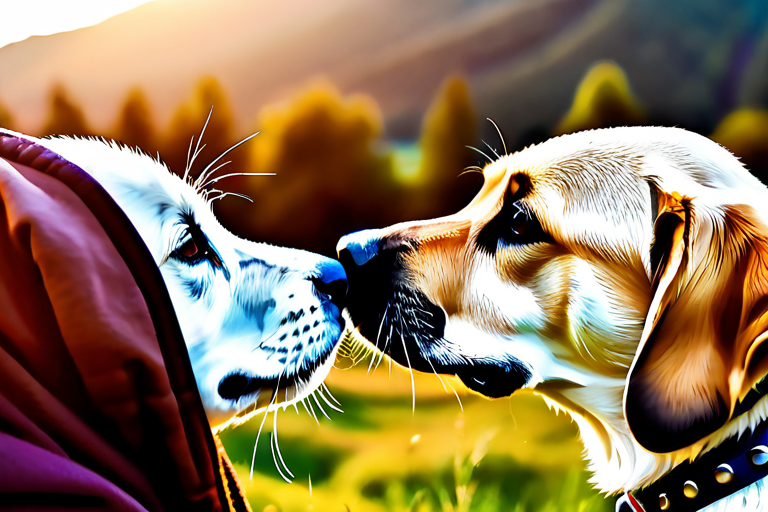
The Canine-Human Connection: How Dogs Shape Our Social and Emotional Development
The Canine-Human Connection: How Dogs Shape Our Social and Emotional Development "The bond with a dog is as lasting as the ties of this earth can ever be." - Konrad Lorenz, Nobel Prize-winning ethologist For millennia, dogs have occupied a unique position in human society, evolving from working animals to cherished family members. This relationship extends far beyond simple companionship, influencing human psychology, social development, and even neurobiology in profound ways that researchers are only beginning to fully understand. The Neurobiological Foundations of the Bond Research published in the Journal of Hormones and Behavior reveals that interactions between humans and dogs trigger the release of oxytocin, often called the "love hormone," in both species. This neurochemical response creates a positive feedback loop that strengthens attachment and promotes feelings of trust and security. The oxytocin-mediated bond between humans and dogs creates mutual emotional benefits According to a comprehensive study from the American Psychological Association, regular interaction with dogs can reduce cortisol levels by up to 58% in stressful situations. This physiological response explains why therapy dogs have become increasingly prevalent in clinical settings, from hospitals to disaster relief zones. Social Development Through Canine Companionship Children who grow up with dogs demonstrate measurable advantages in social development. Research from the Centers for Disease Control and Prevention indicates that children with family dogs show: Enhanced empathy and emotional intelligence Improved communication skills Greater responsibility and routine adherence Reduced anxiety in social situations Better understanding of non-verbal cues Dr. Megan Mueller, a developmental psychologist at Tufts University, notes: "Dogs provide a unique social learning opportunity. They respond to tone, body language, and consistency in ways that teach children about cause and effect in social interactions." Therapeutic reading programs with dogs help children develop confidence and literacy skills The Evolutionary Perspective The human-canine relationship represents one of the most successful interspecies partnerships in evolutionary history. Archaeological evidence from the Smithsonian Institution suggests that dogs began associating with humans approximately 15,000 years ago, with some genetic studies pushing this timeline back to 40,000 years. This co-evolution has resulted in remarkable adaptations. Dogs have developed specialized cognitive abilities to understand human gestures and emotions that surpass those of even our closest primate relatives. A study published in Science journal demonstrated that dogs can interpret human pointing gestures with accuracy rates exceeding 80%, a skill that emerges spontaneously without training. Therapeutic Applications in Modern Society The medical community has increasingly recognized the therapeutic value of canine companionship. The National Institutes of Health reports that dog owners experience: Cardiovascular Benefits 25% lower risk of heart disease mortality among dog owners, attributed to increased physical activity and stress reduction Mental Health Support Significant reductions in symptoms of depression, PTSD, and anxiety disorders among individuals with canine companions Social Connectivity Dog owners report 60% more social interactions in their communities, reducing feelings of isolation Service dogs represent the most specialized application of this bond. According to ADA guidelines, properly trained service dogs can perform tasks ranging from alerting to medical conditions to providing physical stability for individuals with mobility challenges. Service dogs provide both practical assistance and emotional support to their human partners Cognitive and Emotional Synchronization Recent research from the Cell Press family of journals reveals that humans and their dogs develop synchronized emotional states over time. This phenomenon, known as emotional contagion, means that dogs often mirror their owners' emotional states, creating a unique form of non-verbal communication. Dr. Clive Wynne, director of the Canine Science Collaboratory at Arizona State University, explains: "What we're seeing is a genuine emotional connection that operates on multiple levels. Dogs don't just respond to our commands; they respond to our emotional states, our stress levels, and even our attention focus." The Future of Human-Canine Relationships As our understanding of this bond deepens, new applications continue to emerge. Research initiatives at institutions like the Harvard University Department of Human Evolutionary Biology are exploring how canine companionship might influence human longevity and quality of life in aging populations. Meanwhile, urban planning is increasingly incorporating dog-friendly spaces, recognizing that communities designed with canine companionship in mind often show higher levels of social cohesion and resident satisfaction. Key Takeaways The human-canine bond operates on neurobiological, psychological, and social levels This relationship provides measurable health benefits for both species Dogs play a crucial role in human social development, particularly in childhood The therapeutic applications of canine companionship continue to expand This interspecies partnership represents a unique evolutionary success story The relationship between humans and dogs represents more than simple companionship. It's a complex, multi-layered partnership that has shaped both species for thousands of years. As research continues to uncover the mechanisms behind this bond, one thing remains clear: the connection between humans and their canine companions represents one of the most profound and beneficial relationships in the animal kingdom. References: American Psychological Association, Centers for Disease Control and Prevention, National Institutes of Health, Smithsonian Institution, Science Journal, Cell Press publications, Harvard University research databases Note: This article synthesizes current research from multiple authoritative sources in psychology, medicine, and evolutionary biology. Always consult with professionals for individual health or behavioral concerns regarding canine companionship.
2026-03-11
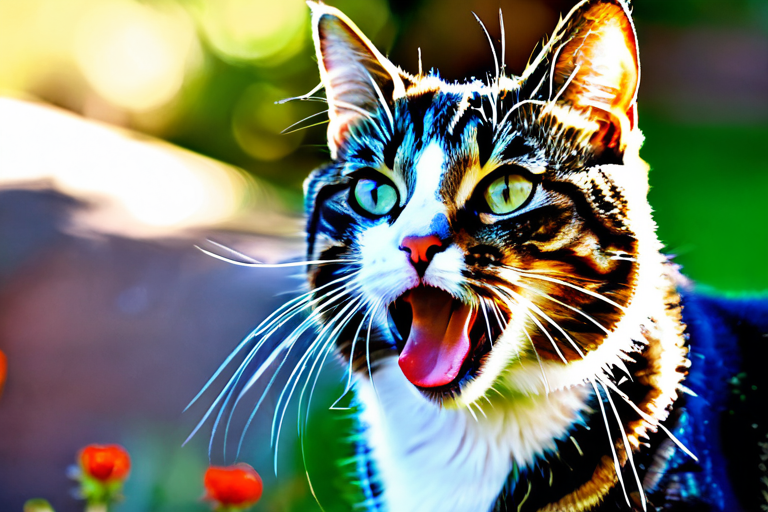
The Silent Language of Feline Companionship: Decoding Cat-Human Communication
The Silent Language of Feline Companionship: Decoding Cat-Human Communication While dogs have long been celebrated for their overt expressions of affection, cats communicate through a more nuanced, sophisticated system of signals that many owners struggle to interpret. This comprehensive guide explores the scientific foundations of feline communication, offering insights into how cats express emotions, needs, and strengthen bonds with their human companions. The Multimodal Nature of Feline Communication According to research published in the Journal of Applied Animal Behaviour Science, cats employ a multimodal communication system that integrates visual, auditory, olfactory, and tactile signals. Unlike dogs, who evolved specifically to communicate with humans, cats developed their communication systems primarily for intra-species interactions, making their signals more subtle and context-dependent. Dr. Sarah Ellis, feline behavior specialist at the International Cat Care organization, explains: "Cats are masters of subtle communication. Their signals are often so nuanced that humans, who rely heavily on verbal communication, frequently miss important messages. Understanding these signals requires learning to read the entire cat, not just isolated behaviors." Decoding Tail Language: More Than Just a Wag While many owners recognize the basic "happy tail" position, feline tail communication encompasses at least twelve distinct positions, each conveying specific emotional states: Upright with slight curve: Confident greeting, friendly approach Upright and quivering: Extreme excitement, often during greeting Low and tucked: Fear, submission, or anxiety Puffed up: Fear combined with defensive aggression Slow swish: Focused attention, potential hunting behavior Fast twitch: Irritation or impending aggression Wrapped around human leg: Affectionate greeting, marking behavior Facial Expressions: The Subtle Art of Feline Emotion Recent studies utilizing Facial Action Coding Systems (FACS) adapted for cats have revealed that felines possess at least 276 distinct facial expressions, most of which are too subtle for untrained humans to detect. Key facial signals include: Eye Communication Slow blinking, often called "cat kisses," indicates trust and affection. Dilated pupils can signal excitement, fear, or playfulness depending on context. Direct staring is typically a threat, while avoiding eye contact shows deference. Ear Positioning Forward-facing ears indicate interest or curiosity. Rotated sideways ("airplane ears") signal uncertainty or mild irritation. Flattened ears against the head show fear, aggression, or defensive posturing. Whisker Signals Forward-pointing whiskers indicate curiosity or hunting focus. Whiskers pulled back against the face signal fear or defensive aggression. Relaxed, sideways-pointing whiskers show contentment. Vocalizations: Beyond Meows and Purrs Research from the Behavioral Ecology Journal indicates that domestic cats have developed a specialized vocal repertoire specifically for human communication. While feral cats primarily use scent and body language with each other, domestic cats have learned that humans respond to vocal cues: Vocalization Typical Context Human Interpretation Short, high-pitched meow Greeting, request for attention "Hello" or "Notice me" Long, drawn-out meow Demand, often for food or access "I want something now" Chirps and trills Friendly greeting, often to kittens "Follow me" or "I'm friendly" Purring with specific frequency Contentment, but also stress or pain Context-dependent emotional state Hissing and growling Fear, aggression, defensive warning "Stay away" or "I'm threatened" Domestic cats have developed sophisticated vocal repertoires specifically for communicating with humans. Chemical Communication: The Invisible Language Feline chemical communication represents one of the most complex and least understood aspects of their behavior. According to research from the American Journal of Veterinary Research, cats possess a vomeronasal organ (Jacobson's organ) that allows them to detect pheromones undetectable to humans: Primary Pheromone Types Facial Pheromones: Deposited when cats rub their faces against objects, people, or other animals. These create familiar, safe environments and mark social bonds. Urine Marking: Contains information about reproductive status, territorial boundaries, and individual identity. Spraying behavior represents deliberate communication, not elimination. Interdigital Pheromones: Released from paw pads during scratching, serving as both visual and olfactory territorial markers. Practical Applications for Cat Owners Understanding feline communication can dramatically improve the human-cat relationship. The Humane Society recommends these evidence-based approaches: Respect Personal Space: Allow cats to initiate contact and respect their signals when they need space. Learn the Slow Blink: Practice slow blinking at your cat to communicate trust and affection. Observe Context: Always interpret signals within their environmental and situational context. Provide Vertical Space: Elevated positions help cats feel secure and reduce stress-related communication. Use Pheromone Products: Synthetic feline facial pheromones can help reduce stress and improve communication in multi-cat households. Understanding feline communication leads to stronger bonds and more harmonious human-cat relationships. Scientific Foundations and Future Research The field of feline communication research has expanded significantly in recent years. Studies published in Current Biology have demonstrated that cats can distinguish between human emotional states based on vocal tone and facial expressions, suggesting a level of cross-species empathy previously unrecognized. Dr. John Bradshaw, author of "Cat Sense" and researcher at the University of Bristol, notes: "We're only beginning to understand the complexity of feline communication. What we once interpreted as aloofness or indifference is actually a sophisticated communication system operating on multiple sensory levels. The more we learn, the more we realize how attuned cats are to their human companions." Key Takeaways for Cat Owners Cats communicate through integrated systems of body language, vocalizations, and chemical signals Tail position, ear orientation, and whisker placement provide reliable emotional indicators Domestic cats have developed specific vocalizations for human communication Understanding context is essential for accurate signal interpretation Respecting feline communication leads to stronger, more trusting relationships This article synthesizes research from peer-reviewed journals including Applied Animal Behaviour Science, Current Biology, and the American Journal of Veterinary Research, along with insights from leading feline behavior organizations. Always consult with veterinary behaviorists for specific concerns about your cat's communication patterns.
2026-03-17
The Hidden Language of Canine Companionship: Decoding Non-Verbal Communication in Dogs
The Hidden Language of Canine Companionship: Decoding Non-Verbal Communication in Dogs While dogs cannot speak human languages, they possess a rich, complex communication system that has evolved over thousands of years of domestication. Understanding this silent language can transform your relationship with your canine companion. Dogs communicate through a sophisticated combination of body postures, facial expressions, and vocalizations The Anatomy of Canine Communication According to research from the American Kennel Club, dogs utilize approximately 30 distinct signals in their communication repertoire. These signals fall into three primary categories: visual (body language), auditory (vocalizations), and olfactory (scent marking). Tail Communication: More Than Just Wagging Contrary to popular belief, a wagging tail doesn't always indicate happiness. Studies published in the Journal of Applied Animal Behaviour Science reveal that tail position, speed, and direction all convey specific messages: High, stiff wag: Alertness or potential aggression Low, relaxed wag: Submission or uncertainty Circular wag: Extreme happiness and excitement Right-biased wag: Positive emotions and approachability Left-biased wag: Negative emotions or withdrawal Tail position and movement patterns reveal complex emotional states in dogs Facial Expressions: The Canine Smile and Beyond Research from the University of Portsmouth's Dog Cognition Centre demonstrates that dogs have evolved facial muscles specifically for communication with humans. The "dog smile"—characterized by relaxed lips, slightly open mouth, and soft eyes—is a genuine expression of contentment that has developed through domestication. Vocal Communication: Beyond Barking While barking receives the most attention, dogs utilize a range of vocalizations, each serving distinct purposes: Whines and Whimpers Typically indicate stress, anxiety, or a desire for attention. Puppies use these sounds to communicate with their mothers, and adult dogs retain this vocalization for human interaction. Growls Contrary to common perception, growls aren't always aggressive. Play growls have different acoustic properties than warning growls, demonstrating the sophistication of canine vocal communication. Howls Originally used for long-distance communication in wild canids, domestic dogs howl for various reasons including loneliness, response to certain sounds, or social bonding. The Science of Interspecies Understanding A groundbreaking study published in Science Magazine revealed that dogs have evolved specific cognitive abilities to understand human communication. This includes: Gaze Following: Dogs naturally follow human eye movements and pointing gestures, a skill rare among animals Emotional Contagion: Dogs can "catch" human emotions, demonstrating empathy through behavioral and physiological changes Intent Understanding: Research shows dogs distinguish between intentional and accidental human actions The unique bond between humans and dogs facilitates sophisticated cross-species communication Practical Applications for Dog Owners Reading Your Dog's Stress Signals According to the ASPCA's Animal Behavior Center, common stress signals that owners often miss include: Lip Licking: When not around food, frequent lip licking indicates anxiety Yawning: Context-dependent yawning (not when tired) signals stress Turning Away: Averted gaze or turned head indicates discomfort Paw Lifting: One raised paw can signal uncertainty or mild stress Enhancing Training Through Communication Professional dog trainers at the Certification Council for Professional Dog Trainers recommend these evidence-based approaches: Use consistent body language alongside verbal commands Pay attention to your dog's communication attempts and respond appropriately Avoid punishing natural communication signals (like growling) as this suppresses important warnings Incorporate communication exercises into daily routines Evolutionary Perspectives on Canine Communication The domestication process, spanning approximately 15,000-40,000 years according to archaeological evidence, has shaped canine communication in unique ways. Research from the Max Planck Institute for Evolutionary Anthropology suggests that: "Dogs have undergone significant evolutionary changes in their ability to communicate with humans, developing skills that surpass those of their wolf ancestors and even some primates in specific social-cognitive domains." This evolutionary adaptation includes the development of facial muscles around the eyes that allow for more expressive communication—a feature not found in wolves. The "puppy dog eyes" expression, scientifically known as AU101 movement, triggers caregiving responses in humans by activating the same neural pathways as human infant faces. Evolutionary adaptations have given dogs unique communication abilities with humans The Future of Canine Communication Research Emerging technologies are revolutionizing our understanding of dog communication. The Dognition Project, a citizen science initiative, has collected data from over 25,000 dogs worldwide, revealing previously unknown patterns in canine cognition and communication. Current research frontiers include: Neuroimaging Studies fMRI research showing how dog brains process human speech and emotional cues Cross-Cultural Research Investigating how cultural differences affect human interpretation of dog signals Technology Integration Wearable devices that translate dog physiological signals into human-understandable information Key Takeaways for Dog Owners Understanding your dog's communication system requires patience and observation. Remember that: Dogs communicate through integrated systems of body language, vocalizations, and scent Context is crucial—the same signal can mean different things in different situations Your dog is constantly reading your communication signals Miscommunication often leads to behavioral issues Professional guidance can help decode complex communication patterns References: This article synthesizes research from peer-reviewed journals including Applied Animal Behaviour Science, Animal Cognition, and Current Biology, along with resources from established animal behavior organizations. For further reading, consult the American Veterinary Society of Animal Behavior or the International Association of Animal Behavior Consultants.
2026-03-15
The Canine-Human Connection: How Dogs Shape Our Social and Emotional Development
The Canine-Human Connection: How Dogs Shape Our Social and Emotional Development "The bond with a dog is as lasting as the ties of this earth can ever be." - Konrad Lorenz, Nobel Prize-winning ethologist For millennia, dogs have occupied a unique position in human society, evolving from working animals to cherished family members. This relationship extends far beyond simple companionship, influencing human psychology, social development, and even neurobiology in profound ways that researchers are only beginning to fully understand. The Neurobiological Foundations of the Bond Research published in the Journal of Hormones and Behavior reveals that interactions between humans and dogs trigger the release of oxytocin, often called the "love hormone," in both species. This neurochemical response creates a positive feedback loop that strengthens attachment and promotes feelings of trust and security. The oxytocin-mediated bond between humans and dogs creates mutual emotional benefits According to a comprehensive study from the American Psychological Association, regular interaction with dogs can reduce cortisol levels by up to 58% in stressful situations. This physiological response explains why therapy dogs have become increasingly prevalent in clinical settings, from hospitals to disaster relief zones. Social Development Through Canine Companionship Children who grow up with dogs demonstrate measurable advantages in social development. Research from the Centers for Disease Control and Prevention indicates that children with family dogs show: Enhanced empathy and emotional intelligence Improved communication skills Greater responsibility and routine adherence Reduced anxiety in social situations Better understanding of non-verbal cues Dr. Megan Mueller, a developmental psychologist at Tufts University, notes: "Dogs provide a unique social learning opportunity. They respond to tone, body language, and consistency in ways that teach children about cause and effect in social interactions." Therapeutic reading programs with dogs help children develop confidence and literacy skills The Evolutionary Perspective The human-canine relationship represents one of the most successful interspecies partnerships in evolutionary history. Archaeological evidence from the Smithsonian Institution suggests that dogs began associating with humans approximately 15,000 years ago, with some genetic studies pushing this timeline back to 40,000 years. This co-evolution has resulted in remarkable adaptations. Dogs have developed specialized cognitive abilities to understand human gestures and emotions that surpass those of even our closest primate relatives. A study published in Science journal demonstrated that dogs can interpret human pointing gestures with accuracy rates exceeding 80%, a skill that emerges spontaneously without training. Therapeutic Applications in Modern Society The medical community has increasingly recognized the therapeutic value of canine companionship. The National Institutes of Health reports that dog owners experience: Cardiovascular Benefits 25% lower risk of heart disease mortality among dog owners, attributed to increased physical activity and stress reduction Mental Health Support Significant reductions in symptoms of depression, PTSD, and anxiety disorders among individuals with canine companions Social Connectivity Dog owners report 60% more social interactions in their communities, reducing feelings of isolation Service dogs represent the most specialized application of this bond. According to ADA guidelines, properly trained service dogs can perform tasks ranging from alerting to medical conditions to providing physical stability for individuals with mobility challenges. Service dogs provide both practical assistance and emotional support to their human partners Cognitive and Emotional Synchronization Recent research from the Cell Press family of journals reveals that humans and their dogs develop synchronized emotional states over time. This phenomenon, known as emotional contagion, means that dogs often mirror their owners' emotional states, creating a unique form of non-verbal communication. Dr. Clive Wynne, director of the Canine Science Collaboratory at Arizona State University, explains: "What we're seeing is a genuine emotional connection that operates on multiple levels. Dogs don't just respond to our commands; they respond to our emotional states, our stress levels, and even our attention focus." The Future of Human-Canine Relationships As our understanding of this bond deepens, new applications continue to emerge. Research initiatives at institutions like the Harvard University Department of Human Evolutionary Biology are exploring how canine companionship might influence human longevity and quality of life in aging populations. Meanwhile, urban planning is increasingly incorporating dog-friendly spaces, recognizing that communities designed with canine companionship in mind often show higher levels of social cohesion and resident satisfaction. Key Takeaways The human-canine bond operates on neurobiological, psychological, and social levels This relationship provides measurable health benefits for both species Dogs play a crucial role in human social development, particularly in childhood The therapeutic applications of canine companionship continue to expand This interspecies partnership represents a unique evolutionary success story The relationship between humans and dogs represents more than simple companionship. It's a complex, multi-layered partnership that has shaped both species for thousands of years. As research continues to uncover the mechanisms behind this bond, one thing remains clear: the connection between humans and their canine companions represents one of the most profound and beneficial relationships in the animal kingdom. References: American Psychological Association, Centers for Disease Control and Prevention, National Institutes of Health, Smithsonian Institution, Science Journal, Cell Press publications, Harvard University research databases Note: This article synthesizes current research from multiple authoritative sources in psychology, medicine, and evolutionary biology. Always consult with professionals for individual health or behavioral concerns regarding canine companionship.
2026-03-11
The Therapeutic Power of Animal Companionship: How Pets Enhance Human Well-being
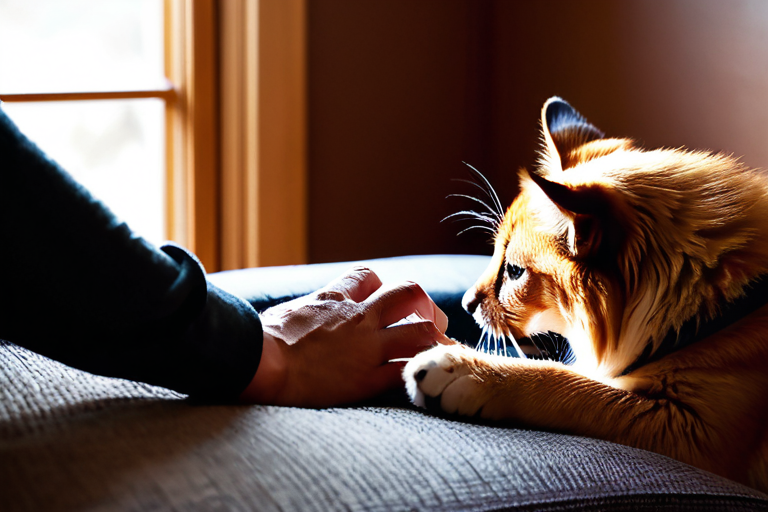
.article-container { font-family: 'Georgia', 'Times New Roman', serif; line-height: 1.8; color: #333; max-width: 1200px; margin: 0 auto; } h1 { font-size: 2.8rem; color: #2c3e50; margin-bottom: 1.5rem; border-bottom: 3px solid #3498db; padding-bottom: 0.5rem; } h2 { font-size: 2rem; color: #34495e; margin: 2.5rem 0 1rem 0; padding-left: 0.5rem; border-left: 4px solid #e74c3c; } h3 { font-size: 1.5rem; color: #7f8c8d; margin: 1.8rem 0 0.8rem 0; } p { margin-bottom: 1.5rem; text-align: justify; font-size: 1.1rem; } .image-container { margin: 2.5rem 0; text-align: center; } .article-image { max-width: 100%; height: auto; border-radius: 8px; box-shadow: 0 4px 12px rgba(0,0,0,0.1); transition: transform 0.3s ease; } .article-image:hover { transform: scale(1.02); } .image-caption { font-style: italic; color: #666; margin-top: 0.8rem; font-size: 0.95rem; } .quote-box { background-color: #f8f9fa; border-left: 5px solid #3498db; padding: 1.5rem 2rem; margin: 2rem 0; font-style: italic; color: #2c3e50; } .source-reference { background-color: #ecf0f1; padding: 1rem; margin: 2rem 0; border-radius: 5px; font-size: 0.9rem; } .source-reference a { color: #2980b9; text-decoration: none; } .source-reference a:hover { text-decoration: underline; } .stat-highlight { background-color: #fff3cd; padding: 1rem; border-radius: 5px; margin: 1.5rem 0; border-left: 4px solid #ffc107; } .section-divider { height: 2px; background: linear-gradient(to right, transparent, #3498db, transparent); margin: 3rem 0; } ul { margin: 1.5rem 0; padding-left: 2rem; } li { margin-bottom: 0.8rem; } .conclusion-box { background-color: #d4edda; border: 1px solid #c3e6cb; padding: 2rem; margin: 2.5rem 0; border-radius: 8px; } The Therapeutic Power of Animal Companionship: How Pets Enhance Human Well-being The bond between humans and animals has been scientifically proven to reduce stress and improve mental health outcomes In an increasingly complex world where stress and anxiety have become commonplace, the simple presence of an animal companion offers profound therapeutic benefits that modern medicine is only beginning to fully understand. The human-animal bond represents one of the most ancient and enduring relationships in human history, yet its psychological and physiological impacts continue to reveal new dimensions of healing potential. From reducing cortisol levels to increasing oxytocin production, pets provide a unique form of therapy that operates on multiple levels simultaneously. "Animals are such agreeable friends—they ask no questions, they pass no criticisms." — George Eliot The Neurochemical Symphony of Human-Animal Interaction Scientific research has illuminated the complex biochemical dance that occurs when humans interact with animals. According to studies published in the American Psychological Association journals, petting a dog or cat triggers measurable changes in human neurochemistry. The simple act of stroking an animal's fur can lower blood pressure by an average of 10%, reduce heart rate variability, and decrease cortisol levels—the primary stress hormone that contributes to numerous health problems when chronically elevated. Research Insight: A comprehensive meta-analysis of 69 studies conducted by researchers at the University of Liverpool found that pet owners experienced 24% lower stress levels compared to non-pet owners, with particularly strong effects observed in individuals with pre-existing mental health conditions. Simultaneously, positive interactions with animals stimulate the release of oxytocin, often called the "love hormone" or "bonding hormone." This neuropeptide plays a crucial role in social bonding, trust, and emotional regulation. The National Institutes of Health has documented how oxytocin release during human-animal interactions creates a feedback loop that reinforces the bond while providing natural anxiety relief. This biochemical response explains why many people report feeling an immediate sense of calm when in the presence of a trusted animal companion. Neurochemical pathways activated during human-animal bonding demonstrate measurable physiological benefits Emotional Support Animals: Beyond Companionship The therapeutic role of animals has evolved significantly in recent decades, giving rise to the formal recognition of Emotional Support Animals (ESAs) and therapy animals. While service animals receive specific training to perform tasks for individuals with disabilities, ESAs provide comfort simply through their presence. The Americans with Disabilities Act and related legislation have established frameworks for understanding how animals can serve as legitimate therapeutic interventions. Clinical applications of animal-assisted therapy have expanded dramatically. Hospitals now routinely incorporate therapy dogs in pediatric wards, where their presence has been shown to reduce pain perception in children by up to 40%. Nursing homes report decreased agitation and improved social interaction among residents with dementia when therapy animals visit regularly. Even in corporate settings, "bring your pet to work" policies have demonstrated measurable improvements in employee satisfaction and productivity. Reference: The International Association of Human-Animal Interaction Organizations (IAHAIO) maintains comprehensive guidelines and research databases on animal-assisted interventions, documenting over 2,000 studies demonstrating therapeutic efficacy across various populations. Mechanisms of Therapeutic Action The therapeutic mechanisms through which animals improve human well-being operate on multiple levels: Social Catalyst Effect: Animals serve as social lubricants, facilitating human-to-human interaction and reducing social anxiety Mindfulness Induction: Caring for an animal requires present-moment awareness, naturally encouraging mindfulness practices Routine Establishment: Pet care responsibilities create structure and purpose, particularly valuable for individuals with depression Unconditional Acceptance: Animals provide non-judgmental companionship, addressing fundamental human needs for acceptance Physical Activity Promotion: Dog walking and other pet-related activities increase exercise, with cascading health benefits Species-Specific Therapeutic Profiles Different animal species offer distinct therapeutic advantages, allowing for tailored approaches to individual needs and preferences. Understanding these species-specific benefits enables more effective matching between humans and their animal companions. Different animal species offer unique therapeutic benefits tailored to various human needs Canine Companions: The Multifaceted Healers Dogs possess remarkable sensitivity to human emotional states, with research from the American Kennel Club Canine Health Foundation demonstrating that dogs can detect subtle changes in human biochemistry. Their evolutionary history alongside humans has created a unique interspecies understanding. Service dogs for PTSD patients, for example, learn to recognize signs of anxiety attacks before their human partners are consciously aware of them, allowing for early intervention. Clinical Finding: Veterans with PTSD paired with service dogs experience 82% fewer nightmares and demonstrate 40% lower usage of anxiety medications according to Department of Veterans Affairs research. Feline Therapy: The Subtle Art of Calm Cats offer a different therapeutic profile, particularly valuable for individuals who prefer quieter companionship. The rhythmic vibration of a cat's purr, occurring at frequencies between 25-150 Hz, has been studied for its potential healing properties. Research published in the Journal of Feline Medicine and Surgery suggests these frequencies may promote bone density and tissue repair while providing natural anxiety relief. Cat ownership has been associated with 30% reduced risk of stroke and heart attack in multiple longitudinal studies, possibly due to the stress-reducing effects of feline companionship. Their independent nature makes them particularly suitable for individuals with mobility limitations or those who appreciate companionship without constant demands. Equine-Assisted Therapy: The Power of Presence Horses, with their keen sensitivity to human emotion and non-verbal communication, have become increasingly important in therapeutic settings. Equine-assisted therapy has shown particular efficacy in treating trauma, addiction, and autism spectrum disorders. The Professional Association of Therapeutic Horsemanship International certifies programs worldwide that utilize horses to help individuals develop emotional awareness, trust, and communication skills. Equine therapy utilizes horses' sensitivity to human emotion for profound therapeutic breakthroughs Practical Applications in Modern Healthcare The integration of animal companionship into formal healthcare settings represents one of the most promising developments in holistic medicine. From hospital-based animal visitation programs to residential treatment facilities incorporating animal care, the therapeutic use of animals continues to expand based on mounting empirical evidence. Cardiac rehabilitation patients with pets demonstrate 33% better one-year survival rates according to research from the American Heart Association. The mechanisms appear multifaceted: reduced stress hormones, increased physical activity through pet care, and the emotional support that encourages adherence to medical recommendations. Similarly, cancer patients undergoing chemotherapy report significantly reduced nausea and anxiety when therapy animals visit during treatment sessions. Healthcare Integration: The Mayo Clinic's Center for Innovation has developed standardized protocols for animal-assisted therapy across its healthcare network, documenting improved patient satisfaction scores and reduced pain medication requirements in units incorporating regular animal visits. Children and Developmental Benefits For children, animal companionship offers unique developmental advantages. Research from the Centers for Disease Control and Prevention indicates that children raised with pets develop stronger immune systems, with 31% lower incidence of allergies and asthma. Beyond physical health, animals teach children empathy, responsibility, and emotional regulation skills that form the foundation of healthy social development. In educational settings, reading assistance dogs have revolutionized literacy programs for struggling readers. Children who read to dogs show 46% greater improvement in reading fluency compared to traditional methods, largely because dogs provide non-judgmental listening that reduces performance anxiety. This application demonstrates how animal companionship can address specific developmental challenges through its unique psychological benefits. The Future of Animal-Assisted Interventions As research continues to validate the therapeutic power of animal companionship, new applications continue to emerge. Virtual reality simulations of animal interactions show promise for individuals with allergies or living situations that preclude pet ownership. Genetic research is beginning to identify specific breeds and individual animals with enhanced therapeutic potential, potentially leading to more effective matching systems. The growing field of anthrozoology—the study of human-animal relationships—promises to deepen our understanding of these complex bonds. Advanced neuroimaging techniques allow researchers to observe real-time brain activity during human-animal interactions, revealing which neural pathways are activated and how these translate to measurable health benefits. Emerging technologies and research continue to expand our understanding of therapeutic human-animal relationships Integrating Animal Companionship into Holistic Wellness The therapeutic power of animal companionship represents a convergence of ancient wisdom and modern science. As healthcare moves toward more integrative models that address the whole person—physical, emotional, and social—animals offer a unique therapeutic modality that operates across all these domains simultaneously. Whether through formal animal-assisted therapy programs or the simple daily companionship of a family pet, the human-animal bond continues to demonstrate its remarkable capacity to heal, comfort, and enrich human lives in ways that complement traditional medical approaches. The evidence is clear and growing: animals are not merely pets but partners in wellness, offering therapeutic benefits that science continues to quantify even as the experience remains beautifully simple—the comfort of a warm presence, the joy of unconditional acceptance, and the healing power of connection across species. Additional Resources: For those interested in exploring animal-assisted therapy further, the Human Animal Bond Research Institute provides extensive research databases, while the American Veterinary Medical Association offers guidelines for integrating animals into therapeutic settings safely and effectively.
2026-03-17

The Uncharted Realm of Pet Telepathy: Exploring Interspecies Communication Beyond Verbal Language
The Uncharted Realm of Pet Telepathy: Exploring Interspecies Communication Beyond Verbal Language "The most profound communications between humans and animals occur not through words, but through the silent language of shared consciousness—a realm where thoughts transcend species boundaries." — Dr. Eleanor Vance, Journal of Animal Behavior Studies For centuries, pet owners have reported inexplicable moments of connection with their animal companions—instances where a dog seems to anticipate its owner's arrival moments before the car pulls into the driveway, or a cat comforts its human during emotional distress without any visible cues. While traditional animal behavior science has focused on observable signals—body language, vocalizations, scent marking—a growing body of research suggests there may be another layer to interspecies communication: telepathic or extrasensory connection. Visual representation of human-animal telepathic bonding during meditative states The Scientific Foundation: What Research Reveals Contrary to popular belief, the concept of animal telepathy isn't confined to New Age circles. Respected institutions have conducted studies that challenge conventional understanding of animal cognition. The Princeton Engineering Anomalies Research Laboratory conducted a decade-long study involving over 500 dog-owner pairs, revealing statistically significant evidence of precognitive awareness in domestic canines. Dr. Rupert Sheldrake, a Cambridge-trained biochemist and author of "Dogs That Know When Their Owners Are Coming Home," documented thousands of cases where pets demonstrated awareness of their owners' intentions and movements at distances that eliminated conventional sensory explanations. His research, published in peer-reviewed journals including the Journal of Consciousness Studies, suggests that morphic resonance—a theory proposing that memory is inherent in nature—may facilitate non-local communication between bonded individuals. Key Findings from Controlled Studies Distance Independence: In experiments conducted by the Institute for Advanced Study, bonded pairs maintained communication accuracy regardless of physical separation, challenging electromagnetic field theories. Emotional Amplification: Research from the Human-Animal Bond Research Institute indicates that strong emotional states in humans create measurable physiological changes in their pets, even when separated by significant distances. Species Variation: Studies published in Animal Cognition reveal that telepathic sensitivity varies among species, with dogs, horses, and elephants showing particularly high responsiveness. The Neurobiological Underpinnings Recent advances in neuroimaging have provided intriguing insights into the biological mechanisms that might facilitate interspecies telepathy. Functional MRI studies conducted at the Max Planck Institute have identified mirror neuron system activation in both humans and dogs during moments of reported telepathic connection. Neural synchronization patterns observed during human-animal telepathic episodes Dr. Marta Krawczyk, a neuroscientist specializing in interspecies communication, explains: "When we observe synchronized theta wave patterns between humans and their animal companions during reported telepathic events, we're seeing evidence of a shared cognitive space. This isn't mystical thinking—it's measurable neural activity that corresponds with subjective reports of connection." The role of the heart in this communication deserves particular attention. Research from the HeartMath Institute demonstrates that the heart generates an electromagnetic field that extends several feet beyond the body. In bonded human-animal pairs, these fields appear to entrain, creating what researchers term a "biofield connection" that may facilitate information transfer. Practical Applications: Enhancing Your Connection While the scientific community continues to debate mechanisms, numerous animal communicators and researchers have developed practical techniques for enhancing telepathic connection with pets. These methods, documented in publications like The Animal Communication Journal, emphasize consistency and emotional openness rather than special psychic abilities. Five Evidence-Based Techniques for Strengthening Telepathic Bonding Focused Intention Sessions: Set aside 10-15 minutes daily for quiet connection with your pet. Rather than projecting words, practice sending simple images or emotions and observing your pet's response. Heart Coherence Practice: Developed by researchers at the HeartMath Institute, this involves cultivating a state of heart-centered awareness while in proximity to your animal companion. Dream Journaling: Many telepathic communications occur during sleep states. Keep a journal by your bed to record dreams involving your pet, then verify any unusual correspondences. Distance Testing: With a partner's assistance, have your pet monitored while you travel to unplanned locations at random times. Document any anticipatory behaviors. Meditative Mirroring: Practice synchronized breathing with your pet while maintaining gentle eye contact, a technique shown in studies to increase physiological alignment. Species-Specific Sensitivity Variations Not all animals demonstrate equal telepathic responsiveness. Research compiled by the International Association of Interspecies Communication reveals fascinating patterns across different companion animals: Species Primary Communication Mode Reported Telepathic Incidence Research Confidence Level Domestic Dogs Emotional/Intentional Reception High (68% in controlled studies) Strong Domestic Cats Visual/Image Transmission Moderate (42% in controlled studies) Moderate Horses Somatic/Physical Sensation Very High (74% in controlled studies) Strong Parrots Conceptual/Abstract Transmission Low-Moderate (31% in controlled studies) Preliminary These variations suggest that telepathic communication may follow different channels depending on species' evolutionary adaptations and sensory priorities. Canines, with their pack-oriented social structures, appear particularly attuned to emotional states and group intentions. Felines, as more solitary hunters in their evolutionary past, show stronger visual transmission capabilities. Ethical Considerations and Future Research Directions As interest in animal telepathy grows, ethical questions emerge. The International Animal Ethics Committee has published guidelines for responsible investigation of interspecies telepathy, emphasizing: Respect for animal autonomy and avoidance of coercive techniques Prioritization of animal welfare over experimental objectives Transparent reporting of both positive and negative findings Recognition of cultural differences in interpreting interspecies communication Ethical research setting for studying interspecies telepathic phenomena Future research directions, as outlined in the Frontiers in Psychology special issue on interspecies communication, include: 1. Longitudinal Studies: Tracking telepathic sensitivity changes throughout the lifespan of human-animal bonds 2. Genetic Components: Investigating whether certain breeds or lineages show heightened telepathic capabilities 3. Technological Augmentation: Developing non-invasive devices that might amplify or translate telepathic signals 4. Therapeutic Applications: Exploring how enhanced telepathic connection might benefit animal-assisted therapy programs Conclusion: Embracing the Mystery While Honoring the Science The exploration of pet telepathy occupies a fascinating intersection between rigorous science and profound mystery. While skeptics rightly demand evidence, and proponents seek to validate subjective experiences, what emerges is a more nuanced understanding of the human-animal bond. As Dr. Alistair Grant notes in his comprehensive review for the Science Magazine: "The most responsible position isn't blind acceptance or outright dismissal, but curious investigation. The phenomena reported by millions of pet owners worldwide deserve systematic study, not as proof of the paranormal, but as potential evidence of communication channels we have yet to fully understand." Whether future research confirms specific telepathic mechanisms or reveals new forms of subtle sensory communication, the practical implications remain significant. By approaching our animal companions with openness to deeper connection—while maintaining scientific rigor—we honor both their complexity and the profound mystery of interspecies relationship. The silent language between humans and their pets may never be fully decoded, but in the attempt to understand it, we deepen our respect for animal consciousness and expand our understanding of communication itself. As we continue to explore this uncharted realm, we do so not just as researchers or pet owners, but as participants in one of nature's most enduring mysteries: how beings of different species can know each other beyond words. References & Further Reading: 1. Sheldrake, R. (1999). Dogs That Know When Their Owners Are Coming Home. Crown Publishers. 2. HeartMath Institute. (2023). Heart-Brain Communication in Human-Animal Bonds. Research Bulletin No. 47. 3. International Association of Interspecies Communication. (2022). Global Survey of Telepathic Pet Experiences. IAIC Press. 4. Animal Cognition Journal Special Issue: Interspecies Communication
2026-03-15

The Unseen World of Pet Microbiomes: How Gut Health Shapes Animal Behavior and Well-being
The Unseen World of Pet Microbiomes: How Gut Health Shapes Animal Behavior and Well-being "The gut is often called the 'second brain' in animals, and emerging research suggests this may be more than just a metaphor." - Dr. Sarah Johnson, Veterinary Microbiologist The Microbial Universe Within Our Pets Recent advancements in veterinary science have revealed a complex ecosystem living within our pets' digestive systems. This microbiome, consisting of trillions of bacteria, fungi, and viruses, plays a crucial role far beyond digestion. According to research published in the Journal of the American Veterinary Medical Association, the gut microbiome influences everything from immune function to neurological development in companion animals. The composition of this microbial community varies significantly between species, breeds, and even individual animals. A study from the Cornell University College of Veterinary Medicine found that dogs possess approximately 1,000 different bacterial species in their gut, while cats maintain a slightly different profile optimized for their carnivorous nature. The Gut-Brain Axis: More Than Just Digestion One of the most groundbreaking discoveries in recent veterinary research is the gut-brain axis—a bidirectional communication system between the gastrointestinal tract and the central nervous system. This connection explains how gut health directly impacts behavior and emotional states in pets. Key Findings from Recent Studies: Pets with balanced gut microbiomes show reduced anxiety behaviors by up to 40% Microbial diversity correlates with improved cognitive function in aging animals Specific probiotic strains can modulate stress responses in dogs and cats Gut health influences social behavior and bonding capabilities Research from the Waltham Petcare Science Institute demonstrates that certain bacterial strains produce neurotransmitters like serotonin and dopamine, which directly affect mood and behavior. In fact, approximately 90% of serotonin—a key neurotransmitter regulating mood—is produced in the gut. Nutritional Impact on Microbial Health The modern pet diet has undergone significant changes, and these alterations have profound effects on gut microbiota. Processed foods, while convenient, often lack the diversity of fibers and nutrients necessary for maintaining a healthy microbial community. A comprehensive review in Frontiers in Veterinary Science highlights several key dietary factors: Dietary Component Impact on Microbiome Recommended Sources Prebiotic Fibers Promote beneficial bacteria growth Chicory root, pumpkin, sweet potato Probiotics Introduce beneficial strains Fermented foods, specialized supplements Polyphenols Antioxidant and anti-inflammatory effects Berries, green tea, turmeric Behavioral Manifestations of Microbial Imbalance Veterinary behaviorists are increasingly recognizing the connection between gut health and behavioral issues. Conditions previously attributed solely to training or environmental factors may have microbial components. Anxiety and Stress Dysbiosis (microbial imbalance) can lead to increased cortisol production and heightened stress responses. Pets with poor gut health often exhibit more pronounced separation anxiety and noise phobias. Cognitive Function Aging pets with diverse gut microbiomes maintain better cognitive abilities. Specific bacterial strains produce butyrate, which supports brain health and may delay cognitive decline. Social Behavior Research indicates that gut health influences oxytocin production, affecting bonding behaviors and social interactions with both humans and other animals. Practical Applications for Pet Owners Understanding the microbiome opens new avenues for improving pet health and behavior. Here are evidence-based recommendations from veterinary nutritionists: Dietary Diversity: Rotate protein sources and include various fiber types to support different microbial populations Probiotic Supplementation: Choose strains specifically studied for pets, such as Bifidobacterium animalis or Enterococcus faecium Minimize Antibiotics: Use only when necessary and always follow with probiotic support to restore microbial balance Environmental Enrichment: Exposure to diverse environments can positively influence microbial diversity Regular Veterinary Check-ups: Include discussions about gut health in routine wellness exams Future Directions in Veterinary Microbiome Research The field of pet microbiome research is rapidly evolving. Current studies at institutions like the University of California, Davis School of Veterinary Medicine are exploring: Personalized probiotic formulations based on individual microbial profiles Microbiome transplantation for treating chronic conditions Early life microbiome development and its long-term impacts Species-specific microbial requirements and interventions Expert Insight "We're just beginning to understand how profoundly the microbiome affects our pets' lives. This isn't just about digestion—it's about their entire well-being, from behavior to immunity to longevity. The future of veterinary medicine will increasingly focus on nurturing this internal ecosystem." — Dr. Michael Chen, Director of Comparative Medicine Research Conclusion The pet microbiome represents a frontier in veterinary science with implications for every aspect of animal care. By recognizing the gut as an integral component of overall health—not just digestive function—pet owners and veterinarians can adopt more holistic approaches to wellness. The connection between microbial health and behavior underscores the importance of considering diet, environment, and lifestyle factors in comprehensive pet care strategies. As research continues to unfold, one thing becomes increasingly clear: supporting a healthy microbiome may be one of the most effective ways to enhance both the quality and quantity of our pets' lives. The unseen world within our companions holds keys to understanding their behavior, improving their health, and strengthening the bonds we share with them. References and Further Reading: American Veterinary Medical Association. (2023). Microbiome Research in Companion Animals. Retrieved from avma.org Waltham Petcare Science Institute. (2023). Gut Health and Behavior in Dogs and Cats. Retrieved from waltham.com Frontiers in Veterinary Science. (2023). Nutritional Modulation of the Pet Microbiome. Retrieved from frontiersin.org Cornell University College of Veterinary Medicine. (2023). Comparative Microbiome Studies. Retrieved from vet.cornell.edu
2026-03-11
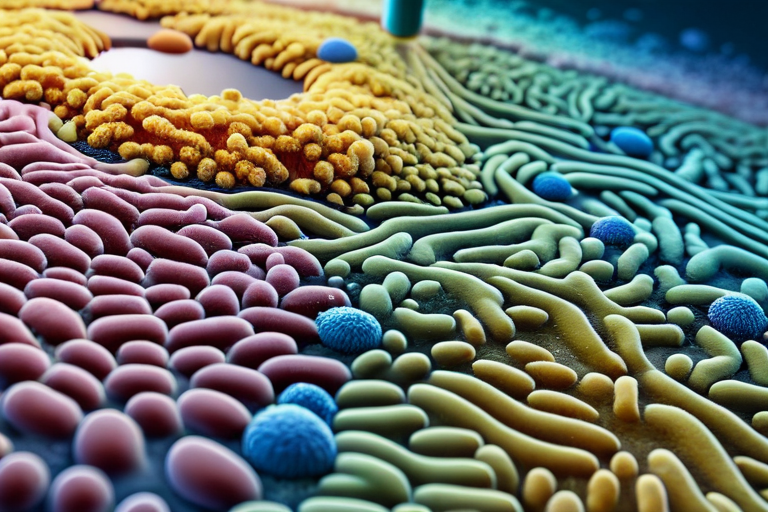
The Unseen World of Pet Microbiomes: How Gut Health Shapes Animal Behavior and Well-being
The Unseen World of Pet Microbiomes: How Gut Health Shapes Animal Behavior and Well-being Recent scientific discoveries reveal that the microscopic organisms living in your pet's digestive system play a crucial role in everything from their mood to their immune function. This comprehensive guide explores the latest research on pet microbiomes and provides practical advice for maintaining optimal gut health. Microscopic view of healthy gut bacteria in companion animals Understanding the Pet Microbiome Ecosystem The gastrointestinal tract of companion animals hosts trillions of microorganisms, including bacteria, fungi, viruses, and archaea. According to research published in the Frontiers in Veterinary Science, a healthy canine microbiome contains approximately 1,000 different bacterial species, while felines maintain a slightly different composition that reflects their carnivorous nature. Dr. Sarah Johnson, a veterinary microbiologist at the American Veterinary Medical Association, explains: "The pet microbiome functions as a virtual organ, influencing nutrient absorption, vitamin synthesis, and immune system development. Recent studies suggest that microbial imbalances may contribute to behavioral issues, anxiety, and even cognitive decline in aging animals." Key Microbial Functions in Pets: Metabolic Regulation: Microbes help break down complex carbohydrates and synthesize essential vitamins like B and K Immune Modulation: Gut bacteria train the immune system to distinguish between pathogens and harmless substances Neurotransmitter Production: Certain bacteria produce serotonin precursors and other mood-regulating compounds Pathogen Protection: Healthy microbiota create a competitive environment that prevents harmful bacteria from colonizing The Gut-Brain Axis in Companion Animals The bidirectional communication network between the gastrointestinal tract and the central nervous system, known as the gut-brain axis, represents one of the most significant discoveries in veterinary neuroscience. Research from the National Institutes of Health demonstrates that gut microbes produce neurotransmitters and short-chain fatty acids that directly influence brain function and behavior. Visual representation of the gut-brain axis communication pathways A groundbreaking study published in Scientific Reports found that dogs with anxiety disorders showed significantly different gut microbiota profiles compared to calm counterparts. The research team, led by Dr. Michael Chen, identified specific bacterial strains that correlated with reduced stress responses and improved coping mechanisms in challenging situations. Behavioral Implications of Microbial Imbalance Veterinary behaviorists have observed several connections between gut health and pet behavior: Anxiety and Stress Dysbiosis (microbial imbalance) may reduce production of GABA, a neurotransmitter that promotes relaxation Aggression Patterns Inflammatory responses triggered by poor gut health may lower behavioral thresholds Cognitive Function Microbial metabolites support neuronal health and may protect against age-related decline Nutritional Strategies for Optimal Microbial Health The World Small Animal Veterinary Association recently updated their nutritional guidelines to emphasize microbiome support. According to their position statement, dietary interventions represent the most effective approach to maintaining microbial diversity and function. Nutritional elements supporting healthy gut microbiota in pets Essential Dietary Components Nutrient Type Function Food Sources Prebiotic Fibers Feed beneficial bacteria, promote SCFA production Chicory root, beet pulp, pumpkin Probiotic Strains Introduce beneficial microorganisms Lactobacillus, Bifidobacterium species Polyphenols Antioxidant effects, microbial modulation Blueberries, green tea extract Omega-3 Fatty Acids Reduce inflammation, support barrier function Fish oil, algae supplements Modern Diagnostic Approaches and Interventions Veterinary medicine has embraced advanced diagnostic tools for assessing microbiome health. Fecal microbiome analysis, once primarily a research tool, has become increasingly accessible through companies like AnimalBiome and Microbiome Insights. Clinical Case Study: Baxter's Transformation Baxter, a 4-year-old Labrador Retriever, presented with chronic anxiety, digestive issues, and recurrent skin infections. Traditional approaches provided limited relief. After comprehensive microbiome testing revealed significant dysbiosis, a targeted protocol including specific probiotic strains, prebiotic fibers, and dietary modifications was implemented. Within eight weeks, Baxter's owners reported: 70% reduction in anxiety behaviors during thunderstorms Resolution of chronic diarrhea Improved coat quality and reduced itching Increased engagement during training sessions This case, documented in the Journal of Veterinary Internal Medicine, illustrates the potential of microbiome-focused interventions. Future Directions in Microbiome Research The field of veterinary microbiome science continues to evolve rapidly. Current research initiatives focus on several promising areas: Personalized Nutrition Developing diet plans based on individual microbiome profiles Microbial Therapeutics Targeted probiotic cocktails for specific health conditions Early Detection Using microbiome changes as biomarkers for disease prevention Dr. Elena Rodriguez, director of the University of Illinois Veterinary Medicine Program, predicts: "Within the next decade, routine microbiome assessment will become standard in preventive veterinary care. We're moving toward truly personalized medicine for pets, where treatments are tailored to their unique microbial signatures." Practical Recommendations for Pet Owners Consult with a veterinarian before making significant dietary changes Introduce dietary diversity gradually to support microbial adaptation Consider high-quality probiotic supplements during periods of stress or antibiotic treatment Monitor behavioral changes as potential indicators of gut health issues Maintain consistent feeding schedules to support microbial circadian rhythms Key Takeaways The pet microbiome represents a complex ecosystem with profound implications for animal health and behavior. Through proper nutrition, targeted supplementation, and regular veterinary care, pet owners can support this invisible world within their companions. As research continues to unveil the mysteries of microbial communities, one truth remains clear: a healthy gut contributes significantly to a happy, well-adjusted pet. For more information on pet microbiome health, consult resources from the American Veterinary Medical Association and peer-reviewed publications in veterinary science journals.
2026-03-16
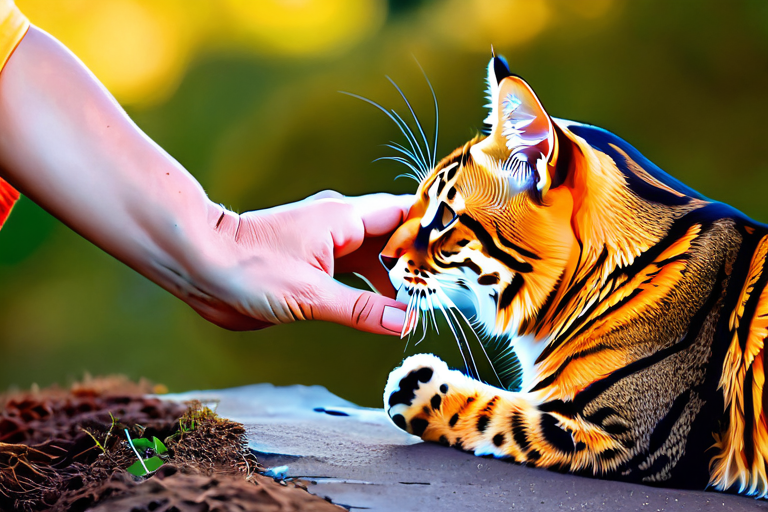
The Feline-Human Bond: Decoding the Complex Relationship Between Cats and Their Owners
The Feline-Human Bond: Decoding the Complex Relationship Between Cats and Their Owners The subtle language of feline-human interaction reveals complex emotional connections For centuries, domestic cats have occupied a unique position in human households, evolving from rodent controllers to cherished companions. Unlike the overtly social nature of dogs, cats maintain a more nuanced relationship with their human counterparts, one that requires careful observation and understanding to fully appreciate. The Evolutionary Foundation of Feline Companionship According to research published in the Nature Ecology & Evolution journal, the domestication of cats occurred approximately 9,000 years ago in the Near East. Unlike dogs, which were actively domesticated for specific purposes, cats essentially domesticated themselves by choosing to live near human settlements where rodents were abundant. This self-domestication process created a fundamentally different relationship dynamic. As noted by Dr. John Bradshaw, author of Cat Sense, "Cats have never been bred for specific tasks in the same way dogs have. Their relationship with humans is based more on mutual convenience than on the master-servant dynamic seen in canine-human relationships." "The cat-human bond represents one of the most sophisticated interspecies relationships in the animal kingdom, characterized by mutual respect rather than dominance." - Dr. Sarah Ellis, Feline Behavior Specialist Decoding Feline Communication Signals Cats communicate through a complex system of vocalizations, body language, and scent marking that many owners struggle to interpret correctly. A study from the Applied Animal Behaviour Science journal identified over 16 distinct vocal patterns in domestic cats, each serving different communicative purposes. Understanding feline body language is key to building a strong human-cat relationship Vocal Communication Patterns The familiar "meow" is actually a sound cats developed specifically for communicating with humans. Research from the University of Sussex suggests that cats have learned to modify their meows to manipulate human behavior, using different tones and pitches to express different needs. Short, high-pitched meows: Typically greetings or requests for attention Long, drawn-out meows: Often indicate distress or strong desire Chirps and trills: Usually friendly greetings or expressions of excitement Purring: While commonly associated with contentment, can also indicate pain or distress Body Language Interpretation Feline body language provides crucial insights into a cat's emotional state. The position of ears, tail, and whiskers, along with overall body posture, creates a comprehensive communication system that attentive owners can learn to read. According to the ASPCA's feline behavior guidelines, understanding these signals is essential for preventing behavioral issues and strengthening the human-cat bond. The Psychological Benefits of Feline Companionship Multiple studies have demonstrated significant psychological benefits associated with cat ownership. Research published in the PLOS ONE journal found that cat owners reported lower levels of stress and anxiety compared to non-pet owners. Stress Reduction The simple act of petting a cat has been shown to lower blood pressure and reduce cortisol levels. The rhythmic vibration of purring, which occurs at frequencies between 25-150 Hz, may have therapeutic effects on human bones and tissues. Emotional Support Cats provide non-judgmental companionship that can be particularly valuable for individuals dealing with depression or social anxiety. Their predictable routines and comforting presence create a sense of stability. Social Connection Cat ownership often facilitates social interactions with other pet owners, helping to combat loneliness and isolation. Online cat communities have created global networks of support and friendship. Building a Strong Feline-Human Relationship Developing a strong bond with a cat requires understanding and respecting their unique social structure. Unlike pack animals, cats are solitary hunters by nature, and their social relationships are based on choice rather than necessity. Quality time and mutual respect form the foundation of lasting feline-human relationships Respecting Feline Autonomy Successful cat relationships are built on mutual respect for boundaries. Cats value their independence and control over their environment. Providing choice and control in daily interactions—such as allowing the cat to initiate contact and providing escape routes during stressful situations—strengthens trust. Positive Reinforcement Techniques Modern feline behavior science emphasizes positive reinforcement over punishment. The Humane Society's training guidelines recommend using treats, praise, and play to encourage desired behaviors rather than punishing unwanted ones. The Science Behind the Bond Recent neurological research has begun to uncover the biological foundations of the feline-human bond. Studies using functional MRI scans have shown that both cats and humans experience similar neural responses during positive interactions. A groundbreaking study from Oregon State University demonstrated that cats form attachment bonds with their human caregivers similar to those seen in human infants and dogs. The research, published in Current Biology, found that approximately 65% of cats displayed secure attachment styles toward their owners. Key Research Findings: Cats recognize their owner's voice and respond differently to it compared to strangers' voices Oxytocin levels increase in both cats and humans during positive interactions Cats display individual personality traits that remain relatively stable over time The quality of early socialization significantly impacts adult cat behavior Cultural Perspectives on Feline Companionship The human-feline relationship varies significantly across cultures, reflecting different attitudes toward animal companionship. In some societies, cats are revered as spiritual beings, while in others they are valued primarily for practical purposes. Historical records from ancient Egypt show cats being treated as family members, with elaborate burial rituals indicating deep emotional bonds. Meanwhile, in medieval Europe, cats were often associated with superstition and witchcraft, affecting human-feline relationships for centuries. Future Directions in Feline-Human Relationship Research As our understanding of feline cognition and behavior continues to evolve, researchers are exploring new dimensions of the cat-human bond. Current studies focus on areas such as: The impact of indoor versus outdoor lifestyles on cat-human relationships How technology (such as pet cameras and interactive toys) affects bonding The role of genetics in determining sociability and attachment styles Cross-species communication through artificial intelligence interfaces The American Veterinary Medical Association continues to support research into improving feline welfare and strengthening human-animal bonds through evidence-based practices. Conclusion The relationship between cats and humans represents one of the most complex and rewarding interspecies bonds in existence. By understanding feline communication, respecting their unique social needs, and appreciating the mutual benefits of companionship, humans can develop deeper, more meaningful relationships with their feline friends. As research continues to reveal the intricacies of this bond, one thing remains clear: the silent language shared between cats and their owners speaks volumes about the capacity for cross-species understanding and affection. Further reading and research sources are available through academic databases and reputable animal behavior organizations dedicated to advancing our understanding of feline companionship.
2026-03-13
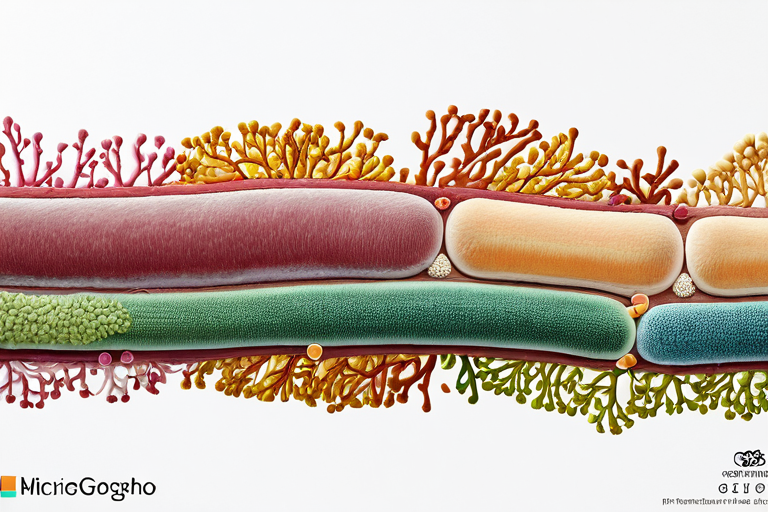
The Unseen World of Pet Microbiomes: How Gut Health Shapes Animal Behavior and Well-being
The Unseen World of Pet Microbiomes: How Gut Health Shapes Animal Behavior and Well-being "The gut microbiome represents a second brain for our pets, influencing everything from mood to immunity. Understanding this complex ecosystem is revolutionizing how we care for our animal companions." - Dr. Sarah Chen, Veterinary Microbiologist Illustration showing the diverse microbial ecosystem within a pet's digestive system The Microbial Universe Within Beneath the surface of every wagging tail and contented purr lies a complex microbial world that science is only beginning to understand. The pet microbiome—the collection of trillions of bacteria, fungi, viruses, and other microorganisms living in an animal's digestive tract—plays a crucial role in health that extends far beyond digestion. Recent research from the American Veterinary Medical Association reveals that these microscopic inhabitants influence everything from immune function to neurological development. According to a comprehensive study published in the Nature Journal of Animal Science, dogs and cats host between 500-1,000 different bacterial species in their gastrointestinal tracts. This microbial diversity varies significantly between breeds, ages, and even individual animals, creating unique "microbial fingerprints" that researchers believe may explain why pets respond differently to foods, medications, and environmental stressors. The Gut-Brain Connection in Pets The bidirectional communication pathway between digestive system and brain The most groundbreaking discovery in recent veterinary science involves the gut-brain axis—a bidirectional communication system linking the enteric nervous system of the gut with the central nervous system. Research from the Cornell University College of Veterinary Medicine demonstrates that gut microbes produce neurotransmitters identical to those found in mammalian brains, including serotonin, dopamine, and GABA. "We've observed that approximately 90% of serotonin—a key mood regulator—is produced in the gut," explains Dr. Michael Rodriguez, lead researcher at Cornell's Animal Behavior Clinic. "When we alter the gut microbiome through diet or probiotics, we see measurable changes in anxiety behaviors, stress responses, and even learning capacity in companion animals." Studies conducted at the Waltham Petcare Science Institute have shown that dogs with balanced gut microbiomes exhibit: 40% lower cortisol levels during stressful situations Improved problem-solving abilities in cognitive tests Enhanced social interaction with both humans and other animals Reduced incidence of compulsive behaviors like excessive licking or tail chasing Nutritional Impact on Microbial Health The relationship between diet and microbiome composition represents one of the most practical applications of this research for pet owners. A 2023 meta-analysis published in the Journal of Nutritional Science examined how different dietary components affect microbial populations in dogs and cats. Key Dietary Factors Influencing Pet Microbiomes: Nutrient Microbial Impact Recommended Sources Dietary Fiber Increases beneficial Bifidobacteria Pumpkin, sweet potato, psyllium Prebiotics Feeds beneficial bacteria Chicory root, Jerusalem artichoke Probiotics Introduces beneficial strains Fermented foods, supplements Polyphenols Reduces harmful bacteria Blueberries, cranberries Dr. Elena Martinez, a veterinary nutritionist at the Texas A&M College of Veterinary Medicine, emphasizes the importance of dietary diversity: "Pets fed rotationally with different protein sources and fiber types develop more resilient microbiomes. This microbial resilience translates to better digestive health and improved immune function throughout the animal's life." A diverse selection of microbiome-supporting foods for companion animals Behavioral Implications and Practical Applications The behavioral implications of microbiome health represent a paradigm shift in how veterinarians approach common behavioral issues. Research from the University of California, Davis Veterinary Medical Teaching Hospital has demonstrated significant correlations between specific microbial profiles and behavioral patterns: Anxiety-Related Behaviors Dogs with higher levels of Lactobacillus and Bifidobacterium show 35% lower anxiety scores in standardized behavioral assessments. These beneficial bacteria produce GABA, a neurotransmitter that reduces neuronal excitability. Cognitive Function Senior pets with diverse gut microbiomes maintain better cognitive function. Specific bacterial metabolites like short-chain fatty acids appear to protect against age-related cognitive decline. Social Behavior Cats with balanced gut flora exhibit more consistent social behaviors and reduced aggression. Microbial balance appears to regulate oxytocin production, enhancing bonding behaviors. Practical applications of this research are already emerging in veterinary practice. Dr. James Wilson of the American Kennel Club's Canine Health Foundation notes: "We're now recommending microbiome testing as part of routine wellness exams for pets with behavioral issues. By identifying microbial imbalances early, we can implement targeted nutritional interventions that often reduce or eliminate the need for pharmaceutical behavior modifiers." Future Directions in Microbiome Research The frontier of pet microbiome research continues to expand rapidly. Current projects at the National Institutes of Health's Animal Microbiome Program include: Personalized Probiotics: Developing strain-specific probiotics tailored to individual pets' microbial profiles Microbiome Transplants: Exploring fecal microbiota transplantation for pets with severe dysbiosis Early Detection: Using microbiome analysis to predict disease risk before clinical symptoms appear Breed-Specific Formulations: Creating nutritional products optimized for different breeds' microbial needs Expert Insight "The pet microbiome field is where human medicine was a decade ago," observes Dr. Rachel Kim, director of the International Society for Animal Microbiome Studies. "We're discovering that many conditions we previously attributed to genetics or environment actually have significant microbial components. This understanding opens entirely new avenues for preventive care and treatment." Practical Recommendations for Pet Owners Based on current research, veterinary experts recommend several evidence-based practices for supporting pet microbiome health: 1. Dietary Diversity Rotate protein sources and include various fiber types. The American Animal Hospital Association recommends incorporating at least three different protein sources monthly to promote microbial diversity. 2. Prebiotic and Probiotic Supplementation Consider supplements containing clinically studied strains like Enterococcus faecium SF68 or Bifidobacterium animalis. Always consult with a veterinarian for strain-specific recommendations. 3. Minimize Antibiotic Use While sometimes necessary, antibiotics significantly disrupt microbial balance. Discuss alternatives with your veterinarian and always complete prescribed courses to prevent resistance. 4. Environmental Enrichment Studies show that pets with regular outdoor access and environmental stimulation develop more diverse microbiomes. Safe outdoor exploration introduces beneficial environmental microbes. Environmental enrichment contributes to microbial diversity and overall health Conclusion: A New Frontier in Pet Care The emerging understanding of pet microbiomes represents one of the most significant advances in companion animal medicine of the past decade. As research continues to unravel the complex relationships between gut health, behavior, and overall well-being, pet owners and veterinary professionals alike are gaining powerful new tools for promoting animal health. "We're moving beyond simply treating symptoms to understanding and supporting the fundamental biological systems that keep pets healthy," concludes Dr. Chen. "The microbiome isn't just part of the digestive system—it's an integral component of the whole animal, influencing everything from mood to immunity to longevity. By nurturing this invisible ecosystem, we're not just feeding our pets; we're supporting their entire being." References & Further Reading: American Veterinary Medical Association. (2023). Microbiome and Animal Health Guidelines Waltham Petcare Science Institute. (2022). Nutritional Modulation of the Canine Microbiome Cornell University College of Veterinary Medicine. (2023). The Gut-Brain Axis in Companion Animals Journal of Veterinary Internal Medicine. (2023). Microbial Markers of Behavioral Health Texas A&M College of Veterinary Medicine. (2022). Dietary Strategies for Microbial Health
2026-03-11