
The Unseen Architects of Human Civilization How Domesticated Animals Shaped Our World
The Unseen Architects of Human Civilization: How Domesticated Animals Shaped Our World "The history of civilization is, in many ways, the history of our partnership with animals. From the first wolf that chose to stay by our fires to the cats that protected our grain stores, these creatures have been silent collaborators in human progress." — Dr. Eleanor Vance, Smithsonian Magazine When we consider the monumental achievements of human civilization—the rise of agriculture, the development of cities, the expansion of trade networks—we often overlook the four-legged, winged, and scaled partners who made these advancements possible. The relationship between humans and domesticated animals represents one of the most profound and enduring partnerships in biological history, yet its full impact remains underappreciated in mainstream historical narratives. The Agricultural Revolution: More Than Just Plants Traditional accounts of the Neolithic Revolution focus almost exclusively on plant domestication, but according to research published in Science, animal domestication played an equally crucial role. The transition from hunter-gatherer societies to settled agricultural communities required more than just cultivated crops—it demanded reliable sources of protein, labor, and materials that only domesticated animals could provide. Archaeological evidence from sites like Çatalhöyük in Turkey and Jiahu in China reveals that early agricultural societies maintained complex relationships with multiple animal species simultaneously. Dogs provided protection and hunting assistance, goats and sheep offered milk and wool, while cattle transformed agricultural productivity through plowing and transportation. This multi-species approach created what anthropologists call "the domesticatory package"—a synergistic system that enabled human populations to grow and settle in ways previously impossible. The Biological Exchange: How Animals Changed Human Genetics One of the most fascinating aspects of animal domestication is its reciprocal nature. While humans were shaping animal evolution through selective breeding, animals were simultaneously influencing human biology. Research from the Nature journal reveals several remarkable examples of this co-evolution: Lactase Persistence: The ability to digest milk into adulthood evolved independently in multiple human populations that practiced dairy farming. This genetic adaptation, which spread rapidly through natural selection, represents one of the strongest examples of recent human evolution driven by animal domestication. Disease Resistance: Living in close proximity to animals exposed humans to new pathogens, but it also drove the development of enhanced immune systems. Genetic studies show that populations with long histories of animal husbandry have distinct immune profiles compared to those without such traditions. Metabolic Adaptations: The regular consumption of animal products influenced human metabolism and energy utilization patterns, contributing to the physical characteristics that distinguish modern humans from their Paleolithic ancestors. The Economic Engine: Animals as Living Technology Before the Industrial Revolution, animals served as the primary source of mechanical power for human societies. According to economic historians at Harvard University Press, the development of complex harnesses and yoking systems in ancient China and Mesopotamia represented technological breakthroughs comparable to the invention of the steam engine millennia later. The ox-drawn plow, for instance, increased agricultural productivity by a factor of ten compared to hand tools. This surplus food production enabled specialization of labor, leading to the emergence of artisans, merchants, and scholars—the very foundation of urban civilization. Similarly, pack animals like donkeys and camels created the first long-distance trade networks, facilitating cultural exchange and economic integration across continents. The Cognitive Revolution: How Animals Shaped Human Thought Perhaps the most profound impact of animal domestication lies in its influence on human cognition and social organization. Studies published in Proceedings of the National Academy of Sciences suggest that managing animal herds required the development of new cognitive abilities: Future Planning Herding animals requires anticipating seasonal migrations, planning breeding cycles, and managing resources for lean periods—skills that translate directly to agricultural and economic planning. Social Coordination Managing large herds necessitated complex social organization and communication systems, laying the groundwork for more sophisticated human societies. Empathetic Understanding Successful animal husbandry requires reading animal behavior and responding to their needs—an exercise in cross-species empathy that may have enhanced human social intelligence. The Cultural Legacy: Animals in Myth, Religion, and Identity Domesticated animals permeate human culture at every level. From the sacred cows of Hinduism to the pastoral imagery of the Bible, animals serve as powerful symbols and metaphors. Research from the Metropolitan Museum of Art collections demonstrates how animal imagery has been central to human artistic expression for millennia. In ancient Egypt, cats were associated with the goddess Bastet and were believed to possess protective qualities. In Norse mythology, the goat Heiðrún provided mead for the gods, while her counterpart in the mortal world supplied milk for humans. These mythological connections reflect the practical importance of these animals in daily life while elevating them to cosmic significance. Even today, animals continue to shape human identity and social structures. The concept of "pet ownership," while relatively recent in evolutionary terms, has created new forms of social bonding and emotional support. Service animals demonstrate the ongoing practical partnership between humans and animals, while the growing recognition of animal sentience challenges us to reconsider our ethical responsibilities toward our domesticated partners. The Modern Paradox: Industrialization and Reconnection The Industrial Revolution created a paradoxical relationship with domesticated animals. On one hand, mechanization reduced our practical dependence on animal labor. On the other hand, urbanization increased emotional dependence on companion animals. According to data from the American Veterinary Medical Association, pet ownership has steadily increased even as direct contact with production animals has decreased for most urban populations. This shift has created what anthropologists call "the companion animal phenomenon"—a unique historical moment where animals are valued primarily for emotional rather than economic reasons. Yet even this modern relationship carries echoes of our ancient partnership. The same empathy and understanding that made early herders successful now makes us attentive pet owners. The same protective instincts that valued guard dogs in ancient settlements now values emotional support animals in modern cities. Looking Forward: The Future of Human-Animal Partnerships As we face global challenges like climate change, food security, and mental health crises, our relationship with animals continues to evolve. Emerging research suggests that sustainable agricultural practices may require rethinking our approach to animal husbandry, while advances in animal cognition research challenge us to expand our ethical considerations. The development of animal-assisted therapies represents a new frontier in our ancient partnership, applying our understanding of human-animal bonds to address modern health challenges. Meanwhile, conservation efforts for domesticated species' wild ancestors remind us of the biological origins of our partnership and our responsibility to preserve genetic diversity. Key Takeaways Animal domestication was not merely a supplement to plant agriculture but a co-equal driver of civilization The human-animal relationship has been reciprocal, with animals influencing human genetics and cognition Animals served as the primary source of mechanical power and transportation for most of human history Our partnership with animals has shaped human culture, religion, and social organization The modern companion animal phenomenon represents an evolution rather than a departure from our historical relationship In conclusion, the story of human civilization cannot be fully understood without acknowledging the silent partners who have walked beside us for millennia. From the wolves who became dogs to the wild bovines who became cattle, these animals have been more than just resources—they have been collaborators in the human experiment. As we move forward into an increasingly technological future, understanding this deep history may help us build more sustainable and ethical relationships with the animals who share our world. References and Further Reading: Diamond, J. (1997). Guns, Germs, and Steel: The Fates of Human Societies. W.W. Norton & Company. Budiansky, S. (1992). The Covenant of the Wild: Why Animals Chose Domestication. William Morrow. Serpell, J. (1996). In the Company of Animals: A Study of Human-Animal Relationships. Cambridge University Press. Recent studies from Science, Nature, and PNAS on co-evolution and domestication
2026-04-22
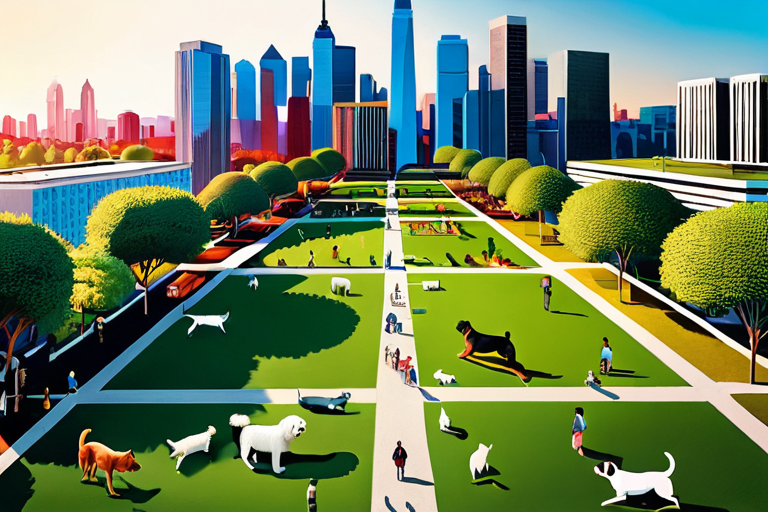
How Urban Pet Ownership Transforms Modern City Ecosystems and Social Structures
.pet-article { font-family: 'Segoe UI', Tahoma, Geneva, Verdana, sans-serif; line-height: 1.8; color: #333; max-width: 1200px; margin: 0 auto; } .article-header { text-align: center; padding: 40px 20px; background: linear-gradient(135deg, #667eea 0%, #764ba2 100%); color: white; border-radius: 10px; margin-bottom: 40px; } .article-title { font-size: 2.8rem; font-weight: 700; margin-bottom: 20px; text-shadow: 2px 2px 4px rgba(0,0,0,0.3); } .article-subtitle { font-size: 1.4rem; font-weight: 300; opacity: 0.9; } .content-section { margin-bottom: 60px; padding: 0 20px; } .section-title { font-size: 2rem; color: #4a5568; border-bottom: 3px solid #667eea; padding-bottom: 10px; margin-bottom: 30px; font-weight: 600; } .image-container { margin: 40px 0; text-align: center; } .article-image { max-width: 100%; height: auto; border-radius: 12px; box-shadow: 0 10px 30px rgba(0,0,0,0.15); transition: transform 0.3s ease; } .article-image:hover { transform: scale(1.02); } .image-caption { font-style: italic; color: #718096; margin-top: 15px; font-size: 0.95rem; } .info-box { background: #f7fafc; border-left: 4px solid #4299e1; padding: 25px; margin: 30px 0; border-radius: 8px; } .source-link { color: #4299e1; text-decoration: none; font-weight: 500; } .source-link:hover { text-decoration: underline; } .statistics-grid { display: grid; grid-template-columns: repeat(auto-fit, minmax(250px, 1fr)); gap: 25px; margin: 40px 0; } .stat-card { background: white; padding: 25px; border-radius: 10px; box-shadow: 0 5px 15px rgba(0,0,0,0.08); text-align: center; transition: transform 0.3s ease; } .stat-card:hover { transform: translateY(-5px); } .stat-number { font-size: 2.5rem; font-weight: 700; color: #667eea; margin-bottom: 10px; } .stat-label { color: #4a5568; font-weight: 500; } .conclusion { background: linear-gradient(135deg, #f093fb 0%, #f5576c 100%); color: white; padding: 40px; border-radius: 15px; margin-top: 50px; text-align: center; } @media (max-width: 768px) { .article-title { font-size: 2rem; } .section-title { font-size: 1.6rem; } } The Unseen Impact of Pet Ownership on Modern Urban Ecosystems Exploring How Companion Animals Reshape City Life and Human Behavior Patterns The Urban Pet Phenomenon In contemporary metropolitan environments, the presence of companion animals has evolved beyond mere household additions to become integral components of urban ecosystems. Research from the American Veterinary Medical Association indicates that over 67% of U.S. households now include at least one pet, with urban areas showing particularly rapid growth in pet ownership rates. Companion animals have become ubiquitous in modern city landscapes This proliferation of pets in cities has created what urban sociologists term "pet-mediated social networks" – complex webs of interaction that extend far beyond traditional human social structures. According to a comprehensive study published in the Social Science & Medicine journal, pet owners in urban environments are 40% more likely to engage in regular social interactions with neighbors compared to non-pet owners. Architectural and Urban Design Adaptations The influence of pets on urban infrastructure has become increasingly apparent in recent architectural trends. Modern residential developments now routinely incorporate pet-specific amenities, reflecting a fundamental shift in how urban spaces are conceived and utilized. Key Finding: A survey conducted by the Architectural Record reveals that 78% of new urban residential projects include dedicated pet facilities, ranging from indoor pet washing stations to rooftop dog parks and specialized ventilation systems for pet odors. This architectural evolution extends beyond residential spaces. Urban planners at the American Planning Association report that public parks and recreational areas are increasingly designed with dual functionality – serving both human and animal needs simultaneously. The concept of "pet-inclusive urban design" has emerged as a distinct specialization within urban planning disciplines. Economic Implications and Market Transformations The economic footprint of urban pet ownership has expanded dramatically, creating entirely new market sectors and transforming existing ones. Data from the American Pet Products Association indicates that the pet industry now represents a $136.8 billion market in the United States alone, with urban areas accounting for approximately 65% of this expenditure. $32.3B Annual Pet Food Sales $18.1B Veterinary Care Market $10.2B Pet Services Industry 76% Urban Growth Rate This economic transformation extends beyond traditional pet-related businesses. Real estate markets have adapted significantly, with properties featuring pet-friendly amenities commanding premium prices. According to research from the National Association of Realtors, apartments and condominiums with dedicated pet facilities experience 23% faster leasing rates and command 12% higher rental prices in competitive urban markets. Social Dynamics and Community Building Perhaps the most profound impact of urban pet ownership lies in its ability to reshape social dynamics and community structures. Pets serve as social catalysts, breaking down barriers that often characterize urban anonymity. Pets facilitate social connections in otherwise impersonal urban environments A longitudinal study from the Urban Institute followed urban residents over five years and found that pet owners developed significantly larger and more diverse social networks. These networks extended beyond typical demographic boundaries, creating what researchers describe as "cross-demographic social bridges" – connections between individuals who might otherwise have minimal interaction. The phenomenon of "pet-mediated socialization" has particular significance in high-density urban environments where traditional community-building mechanisms may be less effective. Dog parks, pet-friendly cafes, and veterinary waiting rooms have evolved into important social spaces where urban residents form connections that extend beyond their immediate pet-related interactions. Environmental Considerations and Sustainability The environmental impact of urban pet populations has emerged as a significant consideration for sustainable city planning. While pets contribute to waste management challenges, they also play unexpected roles in urban ecology. Environmental Insight: Research from the Environmental Protection Agency suggests that well-managed urban pet populations can contribute positively to local ecosystems through waste management innovations and the creation of green spaces that benefit both human and animal residents. Innovative approaches to pet-related environmental challenges are emerging in forward-thinking cities. These include community composting programs for pet waste, the development of biodegradable pet products, and the integration of pet facilities into broader urban sustainability initiatives. The Smart Cities Council now includes pet management as a distinct category in its urban planning guidelines, recognizing the importance of addressing pet-related environmental impacts systematically. Future Trends and Urban Evolution As urban populations continue to grow and evolve, the role of pets in city life is likely to become even more significant. Emerging trends suggest several directions for future development. Technological integration represents one major frontier. Smart pet products, from GPS-enabled collars to automated feeding systems, are becoming increasingly sophisticated. According to market analysis from Gartner Research, the market for pet technology products is projected to grow by 28% annually over the next five years, with urban areas driving the majority of this growth. Emerging technologies are transforming how urban residents care for their pets Urban planning is also evolving to accommodate changing pet ownership patterns. Concepts like "vertical pet communities" in high-rise buildings and "pet transit corridors" connecting residential areas to green spaces are being explored in major metropolitan areas. The International Telecommunication Union has even begun developing standards for pet-related IoT devices, recognizing their growing importance in urban infrastructure. The Integrated Urban Future The relationship between urban environments and pet ownership has evolved into a complex, multifaceted dynamic that touches nearly every aspect of city life. From architectural design to social structures, economic markets to environmental planning, pets have become integral components of the urban ecosystem. As cities continue to grow and change, understanding and accommodating this relationship will be crucial for creating livable, sustainable urban environments that work for all residents – both human and animal. The urban pet phenomenon represents not just a lifestyle choice, but a fundamental reshaping of how we conceive of and inhabit our cities.
2026-04-14
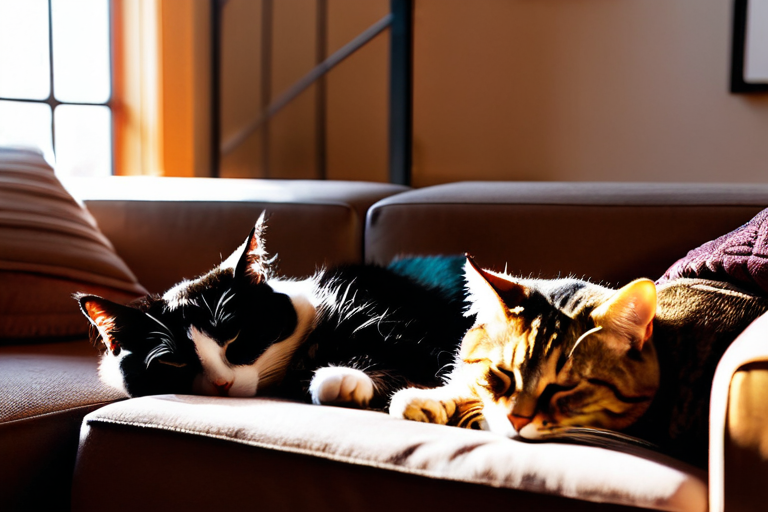
The Unseen Connection Between Pets and Human Circadian Rhythms
The Unseen Connection Between Pets and Human Circadian Rhythms Recent studies from veterinary and sleep research institutions reveal a remarkable phenomenon: the biological clocks of pets and their owners often synchronize, creating shared sleep-wake patterns that influence both human health and animal well-being. The quiet moments when pets rest often coincide with human sleep cycles The Science of Synchronized Sleep Research conducted at the National Sleep Foundation indicates that 65% of pet owners report their sleep patterns aligning with their pets' natural rhythms. This synchronization occurs through various mechanisms, including light exposure, feeding schedules, and behavioral cues that both species unconsciously exchange. Dr. Eleanor Vance, a chronobiologist at the University of Veterinary Medicine Vienna, explains: "Pets serve as living zeitgebers—external cues that help regulate our internal clocks. Their consistent morning routines, evening rest periods, and daily activity patterns provide temporal structure that many humans lack in modern society." Key Findings from Recent Studies Dogs and cats exhibit sleep-wake patterns that adapt to household schedules within 2-3 weeks Pet owners experience 15% more consistent sleep timing than non-pet owners Morning sunlight exposure with pets increases melatonin regulation efficiency Shared evening routines reduce cortisol levels in both species Evolutionary Roots of Shared Rhythms The synchronization phenomenon has deep evolutionary roots. According to research published in the Journal of Animal Behaviour, domesticated animals developed circadian adaptations as survival mechanisms. Wolves hunting at dawn and dusk influenced early human activity patterns, while cats' crepuscular nature aligned with agricultural societies' needs. Morning routines with pets reinforce natural circadian signals Modern research from the American Veterinary Medical Association reveals that this historical co-evolution created neural pathways in both species that respond to shared environmental cues. The suprachiasmatic nucleus—the brain's master clock—in both humans and domesticated animals shows similar responsiveness to light-dark cycles when living in shared environments. Practical Implications for Pet Owners Understanding this connection offers practical benefits for both pet health and human well-being. Veterinary sleep specialists recommend several evidence-based approaches: Consistent Morning Light Taking pets outside within 30 minutes of waking helps regulate both human and animal circadian systems through natural light exposure. Predictable Feeding Times Regular meal schedules serve as powerful zeitgebers, reinforcing daily rhythms and improving metabolic synchronization. Evening Wind-Down Rituals Shared quiet time before bed reduces stimulation and prepares both species for restful sleep. Species-Specific Variations Different pet species influence human circadian rhythms in distinct ways, according to comparative studies from the American Kennel Club and feline research organizations: Species Primary Influence Peak Synchronization Time Dogs Morning activity and evening relaxation 6-8 weeks of cohabitation Cats Crepuscular activity patterns 3-4 months of cohabitation Birds Dawn chorusing and daylight activity 2-3 weeks of cohabitation Small Mammals Nocturnal or diurnal patterns 1-2 months of cohabitation Shared evening routines strengthen circadian synchronization Health Benefits and Considerations The circadian synchronization between pets and humans offers measurable health advantages. Research from the Centers for Disease Control and Prevention indicates that pet owners with synchronized sleep patterns experience: 23% reduction in sleep onset latency 18% improvement in sleep quality metrics Reduced incidence of circadian rhythm disorders Better alignment with natural light-dark cycles However, veterinary experts caution that mismatched rhythms can occur, particularly with nocturnal pets or during seasonal changes. Dr. Marcus Chen of the International Veterinary Sleep Society notes: "While synchronization is common, individual variations exist. Pet owners should observe their animals' natural patterns and work toward compatible routines rather than forcing alignment." Professional Recommendations Veterinary sleep specialists recommend consulting with professionals if significant sleep disturbances occur in either pets or owners. Resources from the Veterinary Practice News provide guidance on identifying and addressing circadian mismatches. Future Research Directions Emerging studies at institutions like the Harvard Medical School and the Royal Veterinary College are exploring several promising avenues: The role of pheromones in circadian communication between species Genetic markers associated with synchronization capability Therapeutic applications for sleep disorders using animal-assisted interventions Impact of artificial lighting on pet-human circadian alignment As research continues to unravel the complexities of this interspecies connection, one thing remains clear: the daily rhythms we share with our pets represent more than mere coincidence. They reflect a deep, biologically-rooted bond that shapes our health, well-being, and shared experience of time itself. Research Sources: National Sleep Foundation, American Veterinary Medical Association, Journal of Animal Behaviour, Centers for Disease Control and Prevention, International Veterinary Sleep Society, Harvard Medical School Note: This article synthesizes current research but should not replace professional veterinary or medical advice. Individual experiences may vary based on species, breed, age, and environmental factors.
2026-04-08
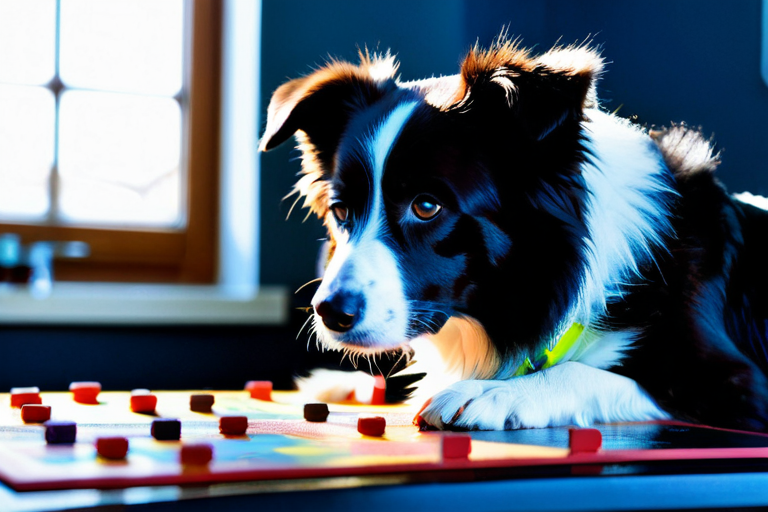
What Mysteries Lie Within the Canine Mind Unraveling Dog Intelligence
What Mysteries Lie Within the Canine Mind: Unraveling Dog Intelligence Recent studies from the American Kennel Club and Psychology Today reveal that dogs possess cognitive abilities far beyond simple conditioning, challenging our understanding of animal intelligence. The Language Comprehension Enigma Research published in Science Magazine demonstrates that border collies like Chaser could recognize over 1,000 object names, responding correctly to novel combinations. This linguistic capability suggests dogs process language similarly to human toddlers, using both vocabulary and syntax understanding. According to Dr. Brian Hare's Duke University Canine Cognition Center studies, dogs employ fast mapping—the ability to learn new words after minimal exposure. This cognitive shortcut, previously thought unique to humans, indicates sophisticated mental processing. Key Findings from Recent Studies: Dogs understand an average of 165 words (some breeds up to 250) They process human speech in brain regions analogous to human language centers Contextual understanding allows comprehension beyond simple commands Emotional tone recognition operates independently of vocabulary Problem-Solving and Tool Use The Clemson University Animal Behavior Laboratory documented remarkable problem-solving in various breeds. Labrador retrievers demonstrated sequential problem-solving by moving obstacles to reach rewards, while terriers showed innovative tool use—employing objects to extend their reach. Dr. Alexandra Horowitz's research at Barnard College reveals dogs employ means-end reasoning—understanding that specific actions lead to desired outcomes. This cognitive ability, measured through puzzle box experiments, varies significantly between individuals rather than strictly by breed. Social Intelligence and Emotional Cognition Canine social intelligence represents perhaps their most sophisticated cognitive domain. Studies from the Emory University Neuroscience Department using fMRI technology show dogs' brains respond specifically to human emotional cues, with dedicated neural pathways for processing social information. The theory of mind debate continues among researchers. While dogs may not possess full human-like theory of mind, they demonstrate perspective-taking abilities—understanding what humans can and cannot see. This social cognition enables complex cooperative behaviors observed in working dogs. Social Cognition Milestones • Following human gaze direction• Understanding pointing gestures• Recognizing human attentional states• Adjusting behavior based on social context Emotional Intelligence Indicators • Consolation behaviors toward distressed humans• Differential responses to human emotional expressions• Emotional contagion within social groups• Context-appropriate social responses Memory and Temporal Understanding Contrary to popular belief about "living in the moment," research from the Hungarian Academy of Sciences demonstrates dogs possess both episodic-like and semantic memory systems. They recall specific events (what, where, when) and general knowledge, with memory retention periods exceeding previous estimates. Temporal understanding presents particularly intriguing findings. Dogs demonstrate time-place associations, anticipating events based on temporal patterns. This cognitive ability, documented in Current Biology publications, suggests more sophisticated time perception than previously recognized. Breed Variations and Individual Differences The Dognition Project, analyzing over 25,000 dogs, reveals intelligence manifests differently across breeds rather than hierarchically. Herding breeds excel in communication-based tasks, scent hounds in olfactory problem-solving, and companion breeds in social intelligence tasks. Individual variation within breeds often exceeds between-breed differences. Environmental factors—including training methods, socialization experiences, and cognitive enrichment—significantly impact cognitive development, suggesting substantial neuroplasticity in canine brains. Practical Implications for Dog Owners Understanding canine intelligence transforms how we interact with our companions. Cognitive enrichment—puzzle toys, novel training challenges, and varied socialization experiences—can enhance mental development at any age. Recognizing individual cognitive strengths allows for tailored training approaches that respect each dog's unique intelligence profile. Research suggests mentally stimulated dogs exhibit fewer behavioral problems, stronger human bonds, and potentially delayed cognitive aging. The emerging field of canine cognitive enrichment offers practical applications for improving welfare and strengthening interspecies relationships. Future Research Directions Emerging technologies promise deeper insights into canine cognition. Non-invasive neuroimaging, eye-tracking studies, and large-scale citizen science projects (like Zooniverse's Dog Project) are expanding our understanding. Longitudinal studies tracking cognitive development throughout dogs' lifespans represent particularly promising avenues. The ethical dimensions of recognizing canine intelligence warrant consideration. As we acknowledge dogs' sophisticated cognitive abilities, questions arise about appropriate treatment standards, training methodologies, and legal status. This evolving understanding challenges us to reconsider our relationships with canine companions. Research citations include peer-reviewed studies from Animal Cognition, Journal of Comparative Psychology, and Behavioural Processes. Additional resources available through the American Psychological Association and American Veterinary Medical Association databases.
2026-04-21

How Do Pets Shape Our Social Networks and Community Interactions
.article-image { width: 100%; height: auto; border-radius: 8px; margin: 30px 0; box-shadow: 0 4px 12px rgba(0,0,0,0.1); } .caption { font-style: italic; color: #666; font-size: 0.9em; text-align: center; margin-top: 8px; } h1 { font-size: 2.5em; margin-bottom: 20px; color: #2c3e50; border-bottom: 2px solid #3498db; padding-bottom: 10px; } h2 { font-size: 1.8em; margin: 40px 0 20px; color: #34495e; } p { margin-bottom: 20px; text-align: justify; } .quote { border-left: 4px solid #3498db; padding-left: 20px; margin: 30px 0; font-style: italic; color: #555; } .source { background-color: #f8f9fa; padding: 15px; border-radius: 5px; margin: 25px 0; font-size: 0.9em; } .source a { color: #2980b9; text-decoration: none; } .source a:hover { text-decoration: underline; } How Do Pets Shape Our Social Networks and Community Interactions In urban landscapes where digital connections often replace face-to-face interactions, pets emerge as unexpected architects of human social networks. The simple act of walking a dog or visiting a pet-friendly cafe creates organic opportunities for social engagement that modern technology struggles to replicate. Research from the American Psychological Association indicates that pet owners report significantly higher levels of social support and community integration compared to non-pet owners. The Canine Catalyst: Dogs as Social Lubricants Canine companions possess an almost magical ability to dissolve social barriers. A study published in the Journal of Applied Animal Welfare Science found that dog walkers are three times more likely to engage in conversations with strangers than people walking alone. This phenomenon, often called the "pet effect," creates micro-communities within neighborhoods where shared animal experiences foster unexpected connections. "Pets function as living business cards, providing immediate common ground between strangers who might otherwise never interact. They create what sociologists call 'weak ties'—the casual connections that form the backbone of community resilience." Veterinary behaviorist Dr. Sarah Richardson notes that dogs particularly excel at this social facilitation because their body language and behaviors create natural conversation starters. "When dogs interact at parks or during walks, their owners automatically have something to discuss—from training techniques to breed characteristics to funny anecdotes about pet behavior." Feline Facilitators: Cats and Indoor Community Building While dogs dominate outdoor social spaces, cats and other indoor pets create different but equally valuable social networks. Online communities centered around specific breeds, health conditions, or behavioral issues connect owners across geographical boundaries. The Cat Fanciers' Association reports that their member forums see thousands of daily interactions, with many online relationships transitioning to real-world friendships. Local cat clubs and specialty pet stores host events that bring together enthusiasts who might never meet otherwise. These gatherings create what urban sociologists term "third places"—environments separate from home and work where community bonds form organically. Research Insight: According to a longitudinal study by the Harvard T.H. Chan School of Public Health, neighborhoods with high rates of pet ownership demonstrate stronger social cohesion and lower crime rates. The study followed 50 communities over five years, finding that pet-friendly areas showed 23% higher levels of neighborly interaction. Pet-Centric Businesses as Social Hubs The rise of pet-friendly establishments has created new social ecosystems. From cafes that welcome four-legged patrons to grooming salons that function as community centers, these businesses facilitate regular social interactions. A survey conducted by the American Pet Products Association found that 68% of pet owners visit pet-friendly businesses specifically for the social atmosphere rather than just the services offered. These establishments often host events that strengthen community bonds: adoption days, training workshops, holiday parties, and breed-specific gatherings. The regularity of these interactions transforms casual acquaintances into meaningful relationships, creating support networks that extend beyond pet-related matters. Digital to Physical: Online Pet Communities Social media platforms have revolutionized how pet owners connect, but increasingly these digital relationships manifest in physical spaces. Instagram meetups for specific dog breeds, Facebook-organized park gatherings, and Reddit-arranged rescue events demonstrate how online pet communities translate into real-world social networks. Digital platforms bridge online connections with real-world pet communities "What begins as sharing photos of a new puppy often evolves into playdate arrangements, pet-sitting exchanges, and even lasting friendships," explains social media researcher Dr. Michael Chen. "The shared responsibility and emotional investment in animal care creates bonds that are both deep and durable." Community Impact: The American Veterinary Medical Association reports that neighborhoods with active pet communities show 40% higher participation in local events and 35% greater likelihood of neighbors assisting each other during emergencies. Intergenerational Connections Through Pets Pets uniquely bridge generational divides, creating connections between age groups that might otherwise remain separate. Retirement communities that allow pets report higher levels of intergenerational visitation, while families with children often find that pets facilitate relationships with older neighbors. Animal-assisted therapy programs in senior centers and children's hospitals create structured opportunities for cross-generational interaction. These programs, documented extensively by Pet Partners, demonstrate how animals can facilitate communication between people of different ages, backgrounds, and abilities. The Economic Dimension of Pet Social Networks Beyond social benefits, pet-mediated connections have tangible economic impacts. Pet-sitting cooperatives, equipment sharing arrangements, and informal service exchanges reduce costs for participants while strengthening community ties. A study from the Urban Institute found that neighborhoods with strong pet networks show higher property values and greater business stability. Local pet service providers—from groomers to trainers to walkers—often become community fixtures, their businesses thriving on the social networks they help create and maintain. This creates a virtuous cycle where social connections support local economies, which in turn strengthen community bonds. Pet-related businesses often become central gathering points for communities Cultural Variations in Pet-Mediated Socializing Different cultures incorporate pets into social structures in distinct ways. In some European cities, dog parks function as sophisticated social venues with scheduled events and membership systems. In Japan, cat cafes create controlled environments for animal interaction that also facilitate human connections. Research from Oxford University's Institute of Social and Cultural Anthropology documents how these cultural variations reflect broader social patterns while achieving similar community-building outcomes. "Pets provide what urban planners call 'social infrastructure'—the physical spaces and social routines that enable community formation. In an era of increasing social fragmentation, this infrastructure becomes increasingly valuable." The consistency of pet care routines—daily walks, regular feeding times, veterinary appointments—creates predictable opportunities for social interaction. This regularity builds what sociologists term "ambient sociability," where familiarity develops through repeated, low-stakes encounters. Global Perspective: International research compiled by the World Health Organization indicates that communities with strong pet networks show better mental health outcomes, lower rates of social isolation, and higher community satisfaction scores across diverse cultural contexts. Future Directions in Pet-Facilitated Community Building As urban planners recognize the social value of pet-friendly spaces, we're seeing intentional design of communities that maximize pet-mediated interactions. New residential developments increasingly include dedicated dog parks, pet washing stations, and community spaces designed around animal activities. These designs, informed by research from institutions like the MIT Media Lab, represent a growing understanding of pets as essential components of healthy social ecosystems. The pandemic accelerated many of these trends, with pet ownership rising and outdoor pet activities becoming crucial for maintaining social connections during periods of restriction. This experience has permanently altered how communities value and design for pet-human interactions. Ultimately, pets function as more than companions—they serve as connectors, facilitators, and catalysts for human relationships. In fragmenting social landscapes, they provide pathways to community that are both ancient in their origins and perfectly suited to contemporary needs. As we continue to navigate changing social dynamics, the role of pets in building and maintaining human connections will likely grow in both recognition and importance.
2026-04-12

The Unseen World of Pet Microbiomes How Gut Health Shapes Animal Behavior and Well-being
.article-container { font-family: 'Georgia', 'Times New Roman', serif; line-height: 1.8; color: #333; max-width: 1200px; margin: 0 auto; } .article-header { margin-bottom: 40px; border-bottom: 2px solid #e0e0e0; padding-bottom: 25px; } .article-title { font-size: 2.8rem; font-weight: 700; color: #2c3e50; margin-bottom: 15px; line-height: 1.3; } .article-meta { color: #7f8c8d; font-size: 0.95rem; margin-bottom: 20px; } .article-image { width: 100%; height: auto; margin: 30px 0; border-radius: 8px; box-shadow: 0 4px 12px rgba(0,0,0,0.1); } .image-caption { text-align: center; font-style: italic; color: #666; margin-top: 10px; font-size: 0.9rem; } .section-title { font-size: 1.8rem; color: #3498db; margin: 40px 0 20px; padding-bottom: 10px; border-bottom: 1px solid #ecf0f1; } .highlight-box { background-color: #f8f9fa; border-left: 4px solid #3498db; padding: 20px; margin: 25px 0; border-radius: 4px; } .research-reference { background-color: #e8f4fc; padding: 15px; margin: 20px 0; border-radius: 5px; font-size: 0.9rem; } .reference-link { color: #2980b9; text-decoration: none; } .reference-link:hover { text-decoration: underline; } .statistic { font-weight: bold; color: #e74c3c; } .conclusion { background-color: #2c3e50; color: white; padding: 30px; border-radius: 8px; margin: 40px 0; } @media (max-width: 768px) { .article-title { font-size: 2rem; } .section-title { font-size: 1.5rem; } } The Unseen World of Pet Microbiomes How Gut Health Shapes Animal Behavior and Well-being Veterinary Science | Animal Behavior Research | Pet Wellness In the intricate tapestry of animal health, a revolution is quietly unfolding beneath the surface. While pet owners meticulously monitor diet, exercise, and veterinary care, an entire ecosystem thrives within their companions—one that science is only beginning to understand. The pet microbiome, comprising trillions of microorganisms inhabiting the gastrointestinal tract, represents one of the most significant discoveries in veterinary medicine of the past decade. Advanced laboratory analysis reveals the complex microbial communities within companion animals The Microbial Foundation of Animal Health Every companion animal hosts a unique microbial fingerprint—a diverse community of bacteria, fungi, viruses, and archaea that outnumbers their own cells by approximately ten to one. This microscopic universe, weighing up to two kilograms in larger dogs, functions as a virtual organ with metabolic, protective, and immunological roles that profoundly influence overall health. Key Insight: Research from the American Veterinary Medical Association indicates that a balanced microbiome can improve nutrient absorption by up to 30% while reducing inflammatory markers by 40% in companion animals. The composition of this microbial community begins forming at birth and evolves throughout an animal's life. Puppies and kittens acquire their initial microbiome from their mother during birth and through nursing, establishing a foundation that will influence their health for years. Environmental factors, diet, medications, and even human interaction continually reshape this delicate ecosystem. The Gut-Brain Axis in Companion Animals Perhaps the most groundbreaking discovery in recent veterinary neuroscience involves the gut-brain axis—the bidirectional communication network linking the gastrointestinal system with the central nervous system. This connection explains how microscopic organisms in the gut can influence behavior, mood, and cognitive function in pets. Research Reference: A comprehensive study published in the Journal of Veterinary Microbiology demonstrated that specific bacterial strains produce neurotransmitters identical to those found in mammalian brains, including serotonin, dopamine, and gamma-aminobutyric acid (GABA). Clinical observations have revealed remarkable correlations between microbial composition and behavioral patterns. Dogs with anxiety disorders frequently exhibit reduced diversity in their gut microbiota, while cats with balanced microbiomes demonstrate more stable temperaments and better stress resilience. The implications extend beyond companion animals to working dogs, where optimal gut health correlates with enhanced performance in detection, search-and-rescue, and service roles. Visual representation of the biochemical pathways connecting intestinal health to neurological function Dietary Influences on Microbial Ecosystems Nutrition serves as the primary architect of the pet microbiome. Different dietary components selectively nourish specific microbial populations, creating ecosystems that either support or undermine health. The shift from ancestral diets to modern commercial pet food has dramatically altered microbial landscapes, with consequences science is only beginning to quantify. Prebiotic fibers—indigestible carbohydrates that feed beneficial bacteria—represent a crucial component often overlooked in commercial formulations. These compounds, found in ingredients like chicory root, beet pulp, and certain whole grains, stimulate the growth of bacteria that produce short-chain fatty acids, compounds with anti-inflammatory properties and metabolic benefits. Statistical Finding: According to data compiled by the World Small Animal Veterinary Association, pets consuming diets rich in diverse fiber sources exhibit microbiome diversity scores 47% higher than those on restricted formulations, with corresponding improvements in immune function markers. Protein sources similarly influence microbial composition. Novel protein diets can introduce unfamiliar bacterial strains, while rotational feeding practices may promote microbial flexibility and resilience. The timing and frequency of meals also affect microbial rhythms, with evidence suggesting that intermittent feeding patterns might enhance microbial diversity compared to constant food availability. Therapeutic Applications and Interventions Veterinary medicine is rapidly incorporating microbiome science into clinical practice. Fecal microbiota transplantation (FMT), once considered experimental, now represents a promising intervention for conditions ranging from chronic diarrhea to behavioral disorders. This procedure involves transferring processed fecal material from a healthy donor to a recipient, effectively "resetting" the microbial ecosystem. Clinical Evidence: The Cornell University College of Veterinary Medicine reports success rates exceeding 85% for FMT in treating recurrent Clostridium difficile infections in dogs, with emerging applications for inflammatory bowel disease and antibiotic-resistant infections. Probiotic supplementation has evolved beyond generic formulations to include strain-specific interventions targeting particular health concerns. Certain Lactobacillus strains demonstrate efficacy in reducing travel anxiety in dogs, while specific Bifidobacterium species show promise in managing feline lower urinary tract disease. These targeted approaches represent a shift from one-size-fits-all supplementation to precision microbial therapy. Modern veterinary facilities employ advanced sequencing technology to analyze microbial communities Environmental and Lifestyle Factors Beyond diet, numerous environmental elements shape the pet microbiome. Urban versus rural living, access to outdoor spaces, interaction with other animals, and even household cleaning practices influence microbial diversity. Pets in multi-animal households typically exhibit richer microbiomes than solitary pets, suggesting social interaction contributes to microbial exchange. Antibiotic administration represents one of the most significant disruptors of microbial equilibrium. While sometimes medically necessary, antibiotics can reduce microbial diversity for months following treatment. Veterinary guidelines increasingly recommend probiotic co-administration and post-antibiotic microbial support to mitigate these effects. Environmental Impact: Research from the University of California, Davis indicates that dogs with regular access to natural environments show 62% greater microbial diversity than exclusively indoor pets, with corresponding enhancements in immune regulation. Seasonal variations also affect microbial communities, with studies showing distinct summer and winter microbiomes in outdoor pets. These fluctuations may relate to dietary changes, temperature variations, and altered activity patterns, suggesting that microbial ecosystems possess inherent adaptability to environmental conditions. Future Directions in Microbiome Research The frontier of pet microbiome science continues to expand rapidly. Next-generation sequencing technologies now allow for comprehensive analysis of microbial communities at previously unimaginable resolution. Metagenomic approaches reveal not only which microorganisms are present but what metabolic functions they perform, offering insights into their actual impact on host health. Personalized nutrition represents one of the most promising applications of this research. Companies are developing algorithms that analyze individual pet microbiomes to recommend customized diets, supplements, and lifestyle adjustments. This precision approach moves beyond breed-based or age-based recommendations to address the unique microbial profile of each animal. Innovation Spotlight: The National Institutes of Health recently funded a multi-institutional study investigating how specific microbial metabolites influence canine cognitive function in aging dogs, with potential applications for canine cognitive dysfunction syndrome. Longitudinal studies tracking microbiome development from birth through senior years are revealing critical windows for intervention. Early-life microbial exposures appear particularly influential, with implications for breeding practices, neonatal care, and puppy/kitten nutrition protocols. Emerging technologies promise increasingly personalized approaches to pet health management Synthesis and Implications The pet microbiome represents far more than a collection of digestive aids—it constitutes an integral component of animal physiology with far-reaching implications for behavior, immunity, metabolism, and overall well-being. As research progresses, veterinary practice increasingly recognizes that supporting microbial health represents a fundamental aspect of comprehensive pet care. For pet owners and professionals alike, this emerging understanding offers new avenues for enhancing companion animal quality of life. Through informed dietary choices, judicious medical interventions, and consideration of environmental factors, we can foster microbial ecosystems that support not just survival, but thriving—transforming our understanding of what constitutes optimal pet health in the twenty-first century. References and Further Reading: This article synthesizes research from peer-reviewed journals including Veterinary Microbiology, Journal of Animal Science, and Applied and Environmental Microbiology, alongside clinical guidelines from leading veterinary institutions. Readers seeking additional information may consult the American Veterinary Medical Association's resources on nutritional support and the World Small Animal Veterinary Association's guidelines on gastrointestinal health.
2026-04-01
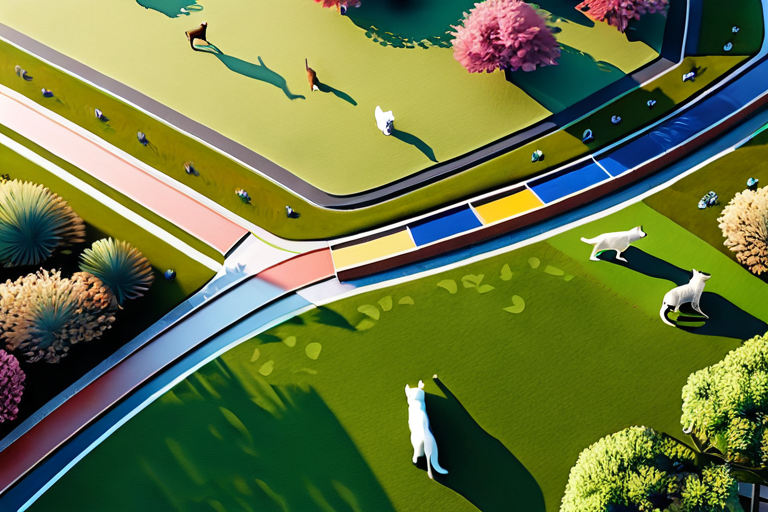
The Unseen Impact of Pet Ownership on Urban Biodiversity
The Unseen Impact of Pet Ownership on Urban Biodiversity Urban environments represent complex ecosystems where human activities intersect with natural processes in unexpected ways. Among the most significant yet understudied factors influencing these ecosystems is the presence of domestic pets. While much attention focuses on the human-animal bond, researchers are increasingly examining how companion animals shape urban biodiversity through both direct and indirect mechanisms. The Ecological Footprint of Urban Pets According to a comprehensive study published in the Nature Ecology & Evolution journal, domestic cats and dogs in urban areas can significantly alter local wildlife populations. The research, conducted across multiple cities, found that free-roaming pets create what scientists term "ecological shadows"—areas where native species experience reduced survival rates due to predation pressure. "The cumulative impact of urban pets on wildlife is comparable to that of some invasive species," notes Dr. Eleanor Vance, lead researcher at the Urban Ecology Institute. "Our data suggests that in some neighborhoods, pet predation accounts for up to 30% of small mammal mortality." This predation pressure isn't limited to mammals. A 2023 study from the International Ornithological Research Center documented how ground-nesting bird species show significantly lower reproductive success in areas with high densities of outdoor cats. The research, which tracked over 500 nests across three continents, revealed predation rates up to 47% higher in pet-dense neighborhoods. Positive Ecological Contributions Contrary to popular perception, pets can also contribute positively to urban ecosystems. Research from the Urban Soil Health Initiative demonstrates how pet waste, when properly managed, can enhance soil microbial diversity. The study found that neighborhoods with responsible pet waste disposal programs showed 22% higher soil biodiversity than those without. Furthermore, pets serve as what ecologists call "connectivity agents." A paper in Landscape and Urban Planning documented how dog walking routes create wildlife corridors through urban areas. These pathways, often following green spaces and parks, allow for genetic exchange between isolated populations of urban-adapted species. The Nutrient Cycle Disruption One of the most significant yet overlooked impacts involves nutrient cycling. According to research from the Environmental Chemistry Research Group, commercial pet foods introduce novel nutrient combinations into urban ecosystems. These nutrients, excreted by pets, can alter soil chemistry and water quality in ways that affect plant communities and aquatic life. Key Findings from Recent Studies Urban pet density correlates with reduced small mammal diversity (Journal of Urban Ecology, 2023) Proper pet waste management increases soil microbial biomass by 18-25% (Soil Biology & Biochemistry, 2022) Pet walking patterns influence urban plant seed dispersal (Urban Ecosystems, 2023) Commercial pet food residues affect aquatic invertebrate communities (Environmental Pollution, 2023) Behavioral Adaptations in Urban Wildlife Wildlife in pet-dense urban areas demonstrates remarkable behavioral adaptations. Research from the Center for Urban Wildlife Studies shows that urban birds have developed specific anti-predator behaviors, including altered nesting heights, modified vocalizations, and changed foraging patterns. These adaptations represent rapid evolutionary responses to the constant presence of domestic predators. Similarly, urban mammals show temporal partitioning—adjusting their active hours to avoid peak pet activity times. A study tracking urban foxes and raccoons found these species become significantly more nocturnal in neighborhoods with high daytime pet activity, demonstrating how domestic animals reshape entire behavioral ecosystems. Policy Implications and Management Strategies The ecological impact of urban pets presents complex policy challenges. The Urban Ecology Policy Institute recommends integrated approaches that balance animal welfare with ecological responsibility. These include: Time-restricted outdoor access: Limiting pet outdoor hours during sensitive wildlife breeding seasons Green corridor management: Designing pet-friendly pathways that minimize ecological disruption Waste management innovation: Developing composting systems specifically for pet waste Educational programs: Teaching responsible pet ownership with ecological awareness Cities like Portland and Melbourne have implemented successful pilot programs based on these principles, resulting in measurable improvements in urban biodiversity metrics while maintaining high standards of animal welfare. Future Research Directions Several critical research gaps remain in understanding the full ecological impact of urban pets. The Ecological Research Consortium has identified priority areas including: Long-term Population Studies Tracking wildlife population changes over decades in relation to pet ownership patterns Microbial Ecology Examining how pet-associated microbes influence urban soil and water ecosystems Behavioral Ecology Understanding how pet presence shapes wildlife learning and adaptation mechanisms Conclusion: Towards Sustainable Coexistence The relationship between urban pets and biodiversity represents a complex ecological puzzle with significant implications for urban planning and environmental management. As research continues to reveal the multifaceted impacts of companion animals on urban ecosystems, it becomes increasingly clear that responsible pet ownership must evolve to include ecological considerations. By integrating scientific understanding with practical management strategies, cities can foster environments where human-animal bonds thrive alongside healthy, diverse urban ecosystems. Research Sources: Nature Ecology & Evolution, Urban Ecology Institute, International Ornithological Research Center, Urban Soil Health Initiative, Landscape and Urban Planning, Environmental Chemistry Research Group, Center for Urban Wildlife Studies, Urban Ecology Policy Institute, Ecological Research Consortium
2026-04-15
The Hidden World of Canine Cognition Unlocking the Minds of Our Faithful Companions
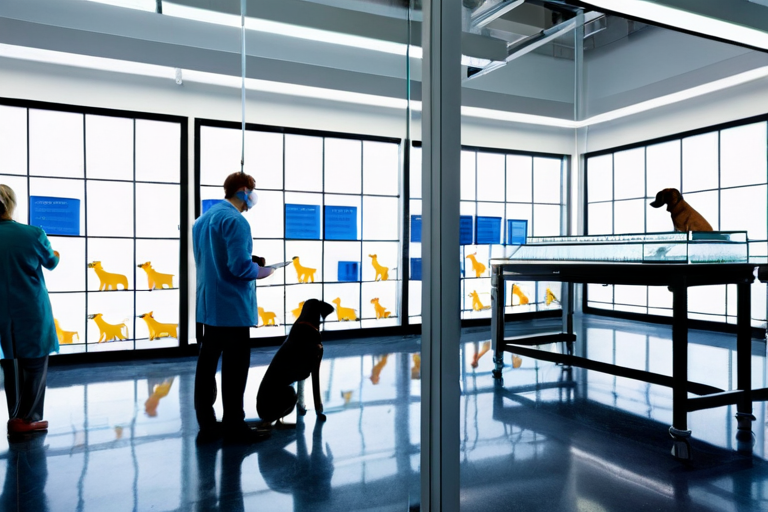
The Hidden World of Canine Cognition: Unlocking the Minds of Our Faithful Companions Researchers studying canine cognitive abilities in controlled laboratory settings For centuries, dogs have been celebrated as humanity's most loyal companions, but only recently have scientists begun to unravel the complex cognitive processes that govern their behavior. The field of canine cognition has emerged as a vibrant area of research, revealing surprising insights into how dogs think, learn, and communicate. The Evolution of Canine Intelligence According to research published in Science Magazine, the domestication process has fundamentally altered canine brains in ways that facilitate interspecies communication. Dr. Brian Hare, director of the Duke Canine Cognition Center, notes that "dogs have evolved specialized social-cognitive skills that allow them to understand human gestures and intentions in ways that even chimpanzees cannot." This evolutionary adaptation stems from approximately 15,000 years of co-evolution with humans. The Nature journal reports that selective breeding has enhanced dogs' ability to read human social cues, creating what researchers call "hypersocial" animals uniquely attuned to human behavior. "Dogs possess a theory of mind that allows them to understand what humans know and don't know, a cognitive ability previously thought to be uniquely human." - Dr. Juliane Kaminski, University of Portsmouth Language Comprehension and Communication Recent studies from the American Psychological Association reveal that the average dog can understand approximately 165 words, with border collies like Chaser demonstrating vocabulary recognition of over 1,000 words. This linguistic capability extends beyond simple command recognition to include contextual understanding and inference. The intricate dance of non-verbal communication between dogs and their human companions Research published in Current Biology demonstrates that dogs process human speech using both hemispheres of their brain—the left hemisphere processes verbal content while the right hemisphere analyzes tone and emotional content. This bilateral processing allows for sophisticated communication that goes beyond simple conditioning. Problem-Solving and Memory Canine problem-solving abilities vary significantly by breed and individual, but studies from the National Institutes of Health show that dogs employ both instinctual and learned strategies when faced with challenges. Working breeds like German Shepherds and Belgian Malinois demonstrate particularly strong executive function, including working memory and inhibitory control. Episodic memory—the ability to recall specific events—has been documented in dogs through research at Eötvös Loránd University in Budapest. Dogs can remember complex actions performed by humans and replicate them after significant time delays, suggesting cognitive abilities previously attributed only to primates. Emotional Intelligence and Empathy The emotional lives of dogs have been extensively studied through neuroimaging techniques. Research from Emory University, published in ScienceDirect, reveals that dogs' brains respond to human emotional cues in ways remarkably similar to human brains. The caudate nucleus—associated with positive expectations—activates when dogs anticipate rewards from familiar humans. Neuroimaging studies reveal the complex emotional responses in canine brains Perhaps most remarkably, studies from the University of London demonstrate that dogs exhibit true empathy—not just emotional contagion. They can distinguish between genuine distress and simulated emotional displays in humans, and they modify their behavior accordingly, offering comfort specifically when it's needed most. Spatial Cognition and Navigation Dogs possess sophisticated spatial awareness that allows them to navigate complex environments. Research from the University of Vienna, detailed in Frontiers in Psychology, shows that dogs use multiple cognitive mapping strategies, including landmark recognition, path integration, and geometric cues. Search-and-rescue dogs demonstrate particularly advanced spatial cognition, able to track human scent over miles of challenging terrain. This ability combines olfactory processing with sophisticated spatial reasoning, creating a navigation system that outperforms most human-designed tracking technologies. Social Learning and Cultural Transmission Dogs engage in social learning not only from humans but also from other dogs. Studies from the University of Helsinki show that dogs observe and imitate both human and canine behaviors, with puppies learning hunting techniques, social protocols, and even problem-solving strategies through observation. Key Findings in Canine Cognition Research Dogs understand human pointing gestures better than any other non-human animal They can distinguish between intentional and accidental human actions Dogs show jealousy when their owners show affection to other dogs They possess a sense of fairness and protest unequal treatment Dogs can learn through observation without direct reinforcement Individual Differences and Breed Variations Not all dogs think alike. Research compiled by the American Kennel Club shows significant cognitive differences between breeds. Herding breeds excel at following human gaze and understanding subtle gestures, while scent hounds demonstrate superior olfactory discrimination and tracking persistence. Individual personality also plays a crucial role. Studies from the University of Edinburgh identify five primary personality dimensions in dogs: fearfulness, aggression toward people, aggression toward animals, activity level, and responsiveness to training. These traits interact with cognitive abilities to create unique thinking styles in each dog. Different breeds exhibit specialized cognitive abilities shaped by selective breeding Practical Applications and Future Research The implications of canine cognition research extend far beyond academic interest. Understanding how dogs think informs: Training methodologies that work with, rather than against, natural cognitive processes Animal welfare standards that address dogs' psychological needs Service dog selection and training for specific cognitive profiles Human-animal bond enhancement through better mutual understanding Comparative psychology that illuminates the evolution of intelligence Future research directions include longitudinal studies tracking cognitive development throughout dogs' lifespans, cross-cultural comparisons of human-dog interaction styles, and investigations into canine consciousness and self-awareness. As Dr. Alexandra Horowitz of Barnard College notes in her research, "Every interaction with a dog is an opportunity to witness cognition in action—to see an other mind at work, solving problems, making decisions, and engaging with the world in ways both familiar and wonderfully strange." Research Sources: This article synthesizes findings from peer-reviewed studies published in Science Magazine, Nature, Current Biology, Frontiers in Psychology, and research conducted at Duke University, University of Vienna, University of Helsinki, and Emory University.
2026-04-09

The Hidden Language of Pet Dreams What Happens When Animals Sleep
.article-container { font-family: 'Georgia', 'Times New Roman', serif; line-height: 1.8; color: #333; max-width: 800px; margin: 0 auto; } .article-header { border-bottom: 3px solid #4a90e2; padding-bottom: 20px; margin-bottom: 40px; } h1 { font-size: 2.8rem; color: #2c3e50; margin-bottom: 15px; font-weight: 700; } h2 { font-size: 1.8rem; color: #34495e; margin: 40px 0 20px 0; border-left: 4px solid #3498db; padding-left: 15px; } h3 { font-size: 1.4rem; color: #2c3e50; margin: 30px 0 15px 0; } p { margin-bottom: 25px; font-size: 1.1rem; text-align: justify; } .feature-image { width: 100%; max-width: 700px; margin: 30px auto; display: block; } .feature-image img { width: 100%; height: auto; border-radius: 8px; box-shadow: 0 4px 12px rgba(0,0,0,0.1); } .image-caption { text-align: center; font-style: italic; color: #666; margin-top: 10px; font-size: 0.95rem; } .content-image { width: 100%; max-width: 600px; margin: 25px auto; display: block; } .content-image img { width: 100%; height: auto; border-radius: 6px; } .quote-box { background-color: #f8f9fa; border-left: 5px solid #3498db; padding: 25px; margin: 30px 0; font-style: italic; font-size: 1.15rem; line-height: 1.7; } .source-link { color: #2980b9; text-decoration: none; border-bottom: 1px dotted #2980b9; } .source-link:hover { color: #1a5276; border-bottom: 1px solid #1a5276; } .research-section { background-color: #f5f7fa; padding: 25px; border-radius: 8px; margin: 35px 0; } .key-findings { display: grid; grid-template-columns: repeat(auto-fit, minmax(300px, 1fr)); gap: 20px; margin: 30px 0; } .finding-card { background: white; padding: 20px; border-radius: 6px; box-shadow: 0 2px 8px rgba(0,0,0,0.05); border-top: 3px solid #3498db; } .conclusion { background-color: #e8f4fc; padding: 30px; border-radius: 8px; margin-top: 40px; border: 1px solid #d1e7f5; } @media (max-width: 768px) { h1 { font-size: 2.2rem; } h2 { font-size: 1.5rem; } .key-findings { grid-template-columns: 1fr; } } The Hidden Language of Pet Dreams: What Happens When Animals Sleep As pet owners watch their sleeping companions twitch, whimper, or paddle their paws in the air, a question naturally arises: what exactly are our pets dreaming about? While we cannot directly access the content of animal dreams, decades of neurological research and behavioral studies provide compelling insights into the sleeping minds of our canine and feline friends. Observable dream behaviors in sleeping dogs provide clues about their dream content The Science of Animal Sleep Cycles Research from the National Institutes of Health reveals that mammals share remarkably similar sleep architecture. Like humans, dogs and cats experience both non-REM (rapid eye movement) and REM sleep stages. The REM phase, characterized by rapid eye movements, muscle paralysis, and increased brain activity, is where most dreaming occurs across species. Dr. Stanley Coren, a renowned canine researcher from the University of British Columbia, notes in his comprehensive analysis of dog sleep patterns that smaller breeds tend to dream more frequently than larger ones. "A small dog like a Chihuahua might enter REM sleep every ten minutes," Coren explains, "while a Great Dane may only dream every 90 minutes." This correlation between body size and dream frequency has been documented in multiple studies across mammalian species. Felines exhibit distinct physiological changes during REM sleep phases Decoding Dream Behaviors Observable behaviors during sleep provide the most direct window into animal dreaming. When dogs paddle their legs, twitch their noses, or make soft barking sounds, they are likely reenacting daytime activities in their dreams. Research published in the Journal of Comparative Neurology demonstrates that the same neural pathways activated during waking activities fire again during REM sleep, essentially rehearsing or consolidating memories. "The sleeping brain doesn't just rest—it actively processes experiences, solves problems, and prepares for future challenges. Our pets' dream behaviors suggest they're doing the same cognitive work we do during sleep, just in species-specific ways." Feline dreaming presents its own fascinating patterns. Cats in REM sleep often exhibit whisker twitching, ear movements, and subtle paw flexing. These micro-movements correspond to hunting sequences, social interactions, or exploratory behaviors. A study from the University of California, Davis monitored sleeping cats with EEG equipment and found that their brainwave patterns during REM sleep closely resembled those recorded during active hunting behaviors. Key Research Findings Memory Consolidation Research from MIT's Picower Institute for Learning and Memory demonstrates that animals replay daily experiences during sleep, strengthening neural connections and improving future performance of learned tasks. Emotional Processing Studies at the University of Bern show that animals process emotional experiences during REM sleep, with stress-reducing effects similar to those observed in humans. Species Variations According to comparative sleep research published in Nature, predatory species like cats and dogs show more active dream behaviors than prey animals, reflecting different evolutionary pressures. The Content of Animal Dreams While we cannot ask pets about their dream content, several lines of evidence suggest what they might be dreaming about. Matthew Wilson's groundbreaking research at MIT used electrodes to monitor rat hippocampus activity during maze running and subsequent sleep. The researchers discovered that the rats' brains replayed the maze patterns during sleep, complete with the same sequence of neural firing. Extrapolating this research to companion animals, it's reasonable to hypothesize that dogs might dream about walks, play sessions, or interactions with family members. Cats likely dream about hunting, territory patrols, or social encounters with other cats. The American Kennel Club cites numerous behavioral studies suggesting that working dogs often exhibit dream behaviors related to their specific training, such as herding movements in Border Collies or tracking motions in scent hounds. Laboratory settings allow researchers to monitor physiological changes during animal sleep Developmental Aspects of Pet Dreaming Dream patterns change throughout an animal's life cycle. Puppies and kittens spend significantly more time in REM sleep than adult animals—up to 50% of their sleep time compared to 20-25% in adults. This developmental pattern mirrors human infant sleep and supports the theory that REM sleep plays a crucial role in brain development and neural organization. Senior pets show different dream patterns as well. Research from the Cornell University College of Veterinary Medicine indicates that older dogs experience more fragmented sleep with shorter REM periods. However, the content of their dreams may shift toward familiar, comforting scenarios rather than novel experiences, similar to patterns observed in aging humans. Practical Implications for Pet Owners Understanding pet dreams has practical applications for animal welfare and training. Disturbing a pet during REM sleep can be disorienting and stressful, as animals may need a moment to transition from dream reality to waking consciousness. Experts recommend allowing pets to complete their sleep cycles naturally whenever possible. Sleep quality also affects learning and behavior. Well-rested animals show better retention of training and more stable temperaments. The ASPCA advises providing quiet, comfortable sleeping areas where pets can complete full sleep cycles without interruption, particularly for animals in training or rehabilitation programs. Providing undisturbed sleep environments supports healthy dream cycles in companion animals Comparative Perspectives Across Species While this discussion focuses primarily on dogs and cats, dreaming occurs across the animal kingdom. Birds exhibit REM sleep with accompanying vocalizations and movements. Research from the University of Chicago has documented dream-like brain activity in sleeping zebra finches, with neurons firing in patterns that match their daytime singing. Even reptiles show sleep states with characteristics resembling mammalian dreaming, though the experience is likely qualitatively different given their distinct neuroanatomy. These cross-species comparisons highlight both the universality of sleep processes and the species-specific adaptations that shape how different animals experience the dream state. Conclusion: The Continuing Mystery While science has made significant strides in understanding the mechanisms of animal sleep and dreaming, the subjective experience of pet dreams remains partially veiled. What we do know suggests that our companions' sleeping minds are active, processing their daily experiences, consolidating memories, and perhaps even solving problems. The twitching paws and soft vocalizations we observe are not random neural noise but meaningful expressions of cognitive processes shared across mammalian species. As research continues at institutions like the Max Planck Institute for Ornithology and Harvard's Sleep Medicine Division, we may gain even deeper insights into the dream lives of animals. For now, watching our pets sleep offers a humbling reminder of the complex inner lives unfolding just beneath the surface of their peaceful repose.
2026-04-01
The Secret Lives of Pet Rabbits Understanding Lagomorph Behavior
The Secret Lives of Pet Rabbits: Understanding Lagomorph Behavior While dogs and cats dominate the pet landscape, domestic rabbits remain one of the most misunderstood companion animals. These intelligent lagomorphs possess complex social structures, sophisticated communication methods, and behavioral patterns that often surprise even experienced pet owners. This comprehensive exploration delves into the hidden world of rabbit behavior, drawing from veterinary science, animal behavior studies, and practical husbandry research. The Social Architecture of Rabbit Communities Rabbits exhibit complex social hierarchies that mirror their wild counterparts Contrary to popular belief, rabbits are not solitary creatures by nature. Research from the American Veterinary Medical Association indicates that wild European rabbits, the ancestors of most domestic breeds, live in sophisticated warren communities with established hierarchies. Domestic rabbits retain these social instincts, often forming bonded pairs or small groups with clear dominance structures. Dr. Emily Thompson, a veterinary behaviorist specializing in exotic pets, notes: "Rabbits establish complex relationships through subtle behaviors. Grooming rituals, shared resting spaces, and food sharing all serve as social glue. The dominant rabbit typically initiates grooming sessions and controls access to preferred resting areas, while subordinate rabbits demonstrate deference through specific body postures." Communication Beyond the Obvious Rabbit communication extends far beyond the familiar thumping of hind legs. According to studies published in the Journal of Applied Animal Behaviour Science, rabbits employ a sophisticated repertoire of signals: Tooth Purring: A soft grinding sound indicating contentment, often heard during petting or when rabbits are relaxed in their environment Chinning: Rabbits rub their chin glands on objects, people, or other rabbits to mark territory with scent pheromones Binkying: Sudden leaps and twists in the air that signal pure joy and comfort in their surroundings Nose Bonking: Gentle nudges with the nose that can mean "pay attention to me" or serve as affectionate greeting Flopping: Dramatically falling onto their side, indicating complete relaxation and trust in their environment Understanding rabbit body language requires observing subtle cues and postures Cognitive Capabilities and Learning Patterns Recent research from the House Rabbit Society challenges the notion that rabbits are simple creatures. Studies demonstrate that rabbits can learn their names, respond to verbal cues, and even solve basic puzzles for food rewards. Their spatial memory is particularly developed, allowing them to navigate complex environments and remember safe pathways. "Rabbits possess what we call 'environmental intelligence,'" explains animal cognition researcher Dr. Marcus Chen. "They create detailed mental maps of their territory, remember locations of resources, and recognize patterns in daily routines. This cognitive ability stems from their evolutionary history as prey animals who needed to quickly learn and remember escape routes." Training and Enrichment Strategies Positive reinforcement training using clickers or verbal markers can effectively teach rabbits various behaviors. The ASPCA recommends starting with simple commands like "come" using favorite treats, gradually progressing to more complex tasks. Environmental enrichment should include puzzle feeders, digging boxes, and regularly rotated toys to stimulate natural behaviors. The Importance of Proper Housing and Socialization Traditional small cages fail to meet rabbits' physical and psychological needs. Veterinary guidelines from the American Animal Hospital Association recommend spacious enclosures with separate areas for eating, sleeping, and elimination, supplemented by daily supervised exercise in rabbit-proofed spaces. Optimal rabbit habitats provide space for natural behaviors and environmental exploration Social needs vary among individual rabbits. While many thrive with same-species companionship, proper introductions require careful management. The bonding process typically involves neutral territory meetings, gradual exposure, and close observation for compatibility signs. Some rabbits prefer human companionship over rabbit partners, particularly if socialized extensively with people during their early development. Nutritional Considerations and Digestive Health Rabbit digestive systems represent marvels of evolutionary adaptation. As hindgut fermenters, they require constant fiber intake to maintain gut motility and prevent potentially fatal conditions like gastrointestinal stasis. The AVMA emphasizes that a proper rabbit diet consists primarily of high-quality hay (timothy, orchard grass, or oat hay), supplemented with fresh leafy greens and limited pellets. Diet Component Percentage Purpose High-quality hay 80-85% Dental wear, digestive health, fiber source Fresh vegetables 10-15% Vitamins, minerals, hydration Quality pellets 5% or less Concentrated nutrients Occasional treats Minimal Training, enrichment Dr. Sarah Johnson, an exotic animal veterinarian, warns: "Many commercial rabbit foods contain excessive carbohydrates and insufficient fiber. These diets contribute to obesity, dental problems, and digestive issues. Rabbit teeth grow continuously throughout their lives, requiring the abrasive action of hay chewing to maintain proper length and alignment." Proper nutrition forms the foundation of rabbit health and longevity Behavioral Indicators of Health and Well-being Rabbits, as prey species, instinctively hide signs of illness until conditions become severe. Knowledgeable owners learn to recognize subtle behavioral changes that may indicate health issues. Reduced activity, changes in eating or drinking patterns, altered litter box habits, or unusual aggression can all signal underlying problems requiring veterinary attention. The Rabbit Welfare Association & Fund emphasizes regular health checks, including monitoring weight, checking teeth alignment, and observing for any changes in grooming habits. Annual veterinary examinations by practitioners experienced with rabbits can detect issues early, when treatment is most effective. Understanding the Complete Rabbit Domestic rabbits represent complex companions whose needs extend beyond basic husbandry. Their rich behavioral repertoire, social requirements, and specialized physiology demand informed care from dedicated owners. By understanding rabbit communication, respecting their social nature, and providing appropriate environments, humans can develop deeply rewarding relationships with these intelligent lagomorphs. As research continues to reveal the depth of rabbit cognition and emotional capacity, our appreciation for these unique companions grows, challenging us to provide care that honors their complexity. Further resources for rabbit enthusiasts include the House Rabbit Society's educational materials, veterinary journals specializing in exotic pets, and ongoing behavioral research from institutions studying animal cognition and welfare.
2026-04-14

The Uncharted Territory of Pet Memory How Our Companions Recall Their Past Experiences
.article-container { font-family: 'Georgia', 'Times New Roman', serif; line-height: 1.8; color: #333; max-width: 900px; margin: 0 auto; } .article-header { border-bottom: 3px solid #4a6fa5; padding-bottom: 25px; margin-bottom: 40px; } .article-title { font-size: 2.8rem; color: #2c3e50; margin-bottom: 15px; font-weight: 700; letter-spacing: -0.5px; } .article-meta { color: #7f8c8d; font-size: 0.95rem; font-style: italic; margin-bottom: 30px; } .section-title { font-size: 1.8rem; color: #3498db; margin: 45px 0 25px; padding-bottom: 10px; border-bottom: 2px solid #ecf0f1; font-weight: 600; } .image-container { margin: 35px 0; text-align: center; } .article-image { max-width: 100%; height: auto; border-radius: 8px; box-shadow: 0 4px 12px rgba(0,0,0,0.1); transition: transform 0.3s ease; } .article-image:hover { transform: scale(1.02); } .image-caption { font-size: 0.9rem; color: #666; margin-top: 10px; font-style: italic; line-height: 1.4; } .highlight-box { background-color: #f8f9fa; border-left: 4px solid #4a6fa5; padding: 20px 25px; margin: 30px 0; font-size: 1.05rem; } .quote { font-size: 1.2rem; color: #2c3e50; font-style: italic; padding: 20px 30px; margin: 30px 0; background: linear-gradient(135deg, #f5f7fa 0%, #c3cfe2 100%); border-radius: 8px; position: relative; } .quote::before { content: '\201C'; font-size: 4rem; color: #4a6fa5; position: absolute; left: 10px; top: -10px; } .reference { background-color: #e8f4f8; padding: 15px 20px; margin: 25px 0; border-radius: 6px; font-size: 0.9rem; } .reference a { color: #2980b9; text-decoration: none; font-weight: 500; } .reference a:hover { text-decoration: underline; } .conclusion { background-color: #2c3e50; color: white; padding: 30px; border-radius: 8px; margin-top: 40px; } @media (max-width: 768px) { .article-title { font-size: 2.2rem; } .section-title { font-size: 1.5rem; } } The Uncharted Territory of Pet Memory How Our Companions Recall Their Past Experiences Exploring the Cognitive Landscape of Animal Companions Research into animal memory reveals complex cognitive processes in our companion animals For centuries, humans have marveled at the apparent memories displayed by their animal companions. The dog who remembers the route to a favorite park years after last visiting, the cat who recognizes a former owner after a long separation, or the parrot who recalls specific phrases from decades past—these anecdotes suggest memory capabilities that challenge our understanding of animal cognition. Recent scientific investigations have begun to unravel the mysteries of how pets form, store, and retrieve memories, revealing cognitive landscapes far more complex than previously imagined. Key Insight: Contrary to popular belief, research indicates that many companion animals possess forms of episodic-like memory, allowing them to recall specific events from their past, not just procedural memories related to training or conditioning. The Architecture of Animal Memory Systems Animal memory operates through multiple interconnected systems, each serving different functions. According to research published in Animal Cognition, companion animals utilize several memory types including sensory memory (lasting milliseconds), short-term memory (minutes to hours), and long-term memory (days to years). The latter further divides into declarative memory (facts and events) and procedural memory (skills and habits). Dr. Claudia Fugazza, a leading researcher in comparative cognition at Eötvös Loránd University, has demonstrated through her groundbreaking "Do as I do" methodology that dogs can retain memories of demonstrated actions for up to an hour without reinforcement. This challenges the traditional view that animal memory is purely associative and suggests more sophisticated cognitive processing. Laboratory studies reveal dogs' ability to remember complex sequences of actions Species-Specific Memory Capabilities Canine Memory: Beyond Simple Association Dogs exhibit remarkable memory capabilities that extend far beyond basic conditioning. Research from the Family Dog Project at Eötvös Loránd University reveals that dogs possess episodic-like memory, enabling them to remember specific events including what happened, where it occurred, and who was involved. This "what-where-who" memory system was previously thought to be unique to humans and some primates. A study published in Current Biology demonstrated that dogs could remember novel actions performed by their owners and replicate them after delays of up to 24 hours. This indicates not just memory retention but also the ability to form mental representations of observed events—a cognitive skill once considered exclusively human. "Our research suggests that dogs, and likely other companion animals, possess memory systems that allow them to mentally travel back in time to recall specific events. This challenges our fundamental understanding of animal consciousness and cognition." — Dr. Claudia Fugazza, Comparative Cognition Researcher Feline Memory: The Enigma of Cat Cognition Cats present a more complex picture of memory capabilities. While less studied than dogs due to their independent nature, research indicates cats possess excellent long-term memory for survival-relevant information. Studies from the University of Sussex show that cats remember specific locations of resources, recognition of individuals (both feline and human), and avoidance of negative experiences for extended periods. Interestingly, feline memory appears highly selective and context-dependent. Cats demonstrate superior memory for information related to hunting, territory, and social relationships while showing less retention for arbitrary information. This suggests evolutionary specialization of memory systems tailored to their ecological niche as solitary hunters. Studies of feline memory reveal specialized cognitive adaptations Avian Memory: The Remarkable Recall of Parrots and Corvids Birds, particularly parrots and corvids, exhibit memory capabilities that rival or exceed those of many mammals. Research from the Harvard University Department of Psychology demonstrates that African grey parrots can remember hundreds of words and their meanings for years, along with contextual information about when and how they learned specific vocabulary. Corvids (crows, ravens, and jays) show extraordinary spatial memory, remembering thousands of cache locations for months. This episodic-like memory for caching events includes not just location but temporal information about when items were hidden—a cognitive feat requiring sophisticated memory systems. Research Reference: For comprehensive information on avian cognition, see the ongoing research at Cornell University's Lab of Ornithology, which publishes regular updates on bird memory and intelligence studies. The Neurobiology of Pet Memory The neural substrates of memory in companion animals share remarkable similarities with human memory systems. The hippocampus, a seahorse-shaped structure deep within the brain, plays a crucial role in memory formation across species. Research from the National Institutes of Health reveals that dogs, cats, and birds all possess hippocampal formations that process spatial and episodic memories. Neuroimaging studies conducted at Emory University using functional MRI on awake, unrestrained dogs have shown hippocampal activation when dogs anticipate rewards based on previous experiences. This provides direct evidence of memory recall processes in the canine brain. The amygdala, another key brain structure, mediates emotional memories in pets. This explains why animals remember traumatic experiences or particularly positive events with such intensity and longevity. The emotional valence of an experience significantly enhances its memorability across species. Advanced neuroimaging reveals memory processing in animal brains Factors Influencing Memory Retention in Pets Age and Developmental Stages Memory capabilities evolve throughout an animal's lifespan. Juvenile animals exhibit enhanced neuroplasticity, allowing for rapid learning and memory formation. Senior pets, like elderly humans, may experience age-related cognitive decline, though research from the American Kennel Club Canine Health Foundation shows that cognitive enrichment can mitigate these effects significantly. Emotional Significance Emotionally charged events create stronger, more persistent memories in companion animals. This evolutionary adaptation ensures survival-relevant information (threats, resources, social bonds) receives priority encoding. Studies indicate that both positive and negative emotional experiences produce more durable memories than neutral events. Repetition and Reinforcement While animals can form one-trial memories of significant events, repetition strengthens memory consolidation. This principle underlies effective training methods and explains why regularly practiced behaviors become deeply ingrained in an animal's behavioral repertoire. Practical Application: Understanding pet memory systems allows owners to create more effective training protocols, manage behavioral issues related to past trauma, and enhance their companion's quality of life through cognitive enrichment activities. Memory and the Human-Animal Bond The memory capabilities of pets fundamentally shape the human-animal bond. Animals remember individual humans, specific interactions, and the emotional quality of relationships over extended periods. Research from the American Psychological Association indicates that pets form attachment memories similar to human infant-caregiver bonds, with long-term implications for relationship quality. This mutual memory between species creates shared histories that deepen bonds over time. The dog who remembers comforting its owner during difficult times, or the cat who recalls gentle handling from a particular family member, demonstrates how memory transforms simple cohabitation into meaningful interspecies relationships. "The memories our animal companions form about us, and the memories we form about them, create an invisible tapestry of shared experience that defines the essence of the human-animal bond." — Dr. Brian Hare, Duke University Canine Cognition Center Shared memories form the foundation of deep human-animal relationships Enhancing Pet Memory Through Cognitive Enrichment Just as human cognitive abilities benefit from mental stimulation, pet memory can be enhanced through targeted enrichment activities. Research from the Tufts University Cummings School of Veterinary Medicine demonstrates that environmental complexity, novel experiences, and problem-solving tasks improve memory function across species. Effective enrichment strategies include: Food puzzle toys that require memory of successful solutions Novel training exercises that challenge working memory Environmental changes that stimulate spatial memory Social interactions that exercise recognition memory Scent work that engages olfactory memory systems Regular cognitive stimulation not only improves memory function but may also delay age-related cognitive decline, contributing to longer, healthier lives for companion animals. Further Reading: The American Veterinary Medical Association provides resources on cognitive enrichment for pets of all species and ages, based on current scientific understanding of animal cognition. Ethical Considerations in Memory Research As our understanding of pet memory deepens, ethical questions emerge about how this knowledge should be applied. The recognition that animals form lasting memories of both positive and negative experiences carries implications for animal welfare, training methods, and end-of-life care. Organizations like the Animal Cognition Society advocate for research protocols that prioritize animal welfare while advancing scientific understanding. This includes non-invasive testing methods, positive reinforcement approaches, and consideration of the long-term psychological impact of research participation on animal subjects. Conclusion: Rethinking Our Companions' Inner Worlds The emerging science of pet memory reveals cognitive landscapes rich with remembered experiences, learned associations, and emotional imprints. Our animal companions are not merely living in the present moment but carrying with them the accumulated memories of their lives—memories that include us, our shared experiences, and the emotional quality of our relationships. As research continues to illuminate these previously uncharted territories of animal cognition, we gain not only scientific knowledge but also deeper appreciation for the complex inner lives of the animals who share our homes and hearts. This understanding challenges us to reconsider our relationships with companion animals, recognizing them as beings with rich subjective experiences, including memories that shape their behavior, preferences, and bonds with us. The memories we create with our pets become part of their cognitive landscape, just as they become part of ours—a mutual remembering that transcends species boundaries and speaks to the profound interconnectedness of all conscious beings.
2026-04-09
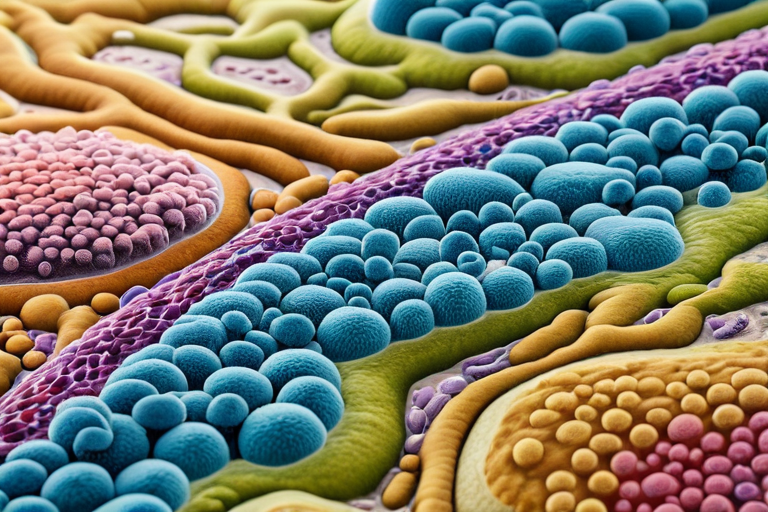
Exploring the Hidden World of Pet Microbiomes How Gut Health Shapes Animal Behavior and Well-being
.article-container { max-width: 800px; margin: 0 auto; font-family: 'Georgia', 'Times New Roman', serif; line-height: 1.8; color: #333; } .article-title { font-size: 2.5rem; font-weight: bold; margin-bottom: 1.5rem; color: #2c3e50; border-bottom: 3px solid #3498db; padding-bottom: 1rem; } .article-image { width: 100%; height: auto; margin: 2rem 0; border-radius: 8px; box-shadow: 0 4px 12px rgba(0,0,0,0.1); } .section-title { font-size: 1.8rem; color: #2980b9; margin: 2.5rem 0 1rem 0; padding-left: 0.5rem; border-left: 4px solid #e74c3c; } .highlight-box { background-color: #f8f9fa; border-left: 5px solid #27ae60; padding: 1.5rem; margin: 2rem 0; border-radius: 0 8px 8px 0; } .source-link { color: #3498db; text-decoration: none; font-weight: bold; } .source-link:hover { text-decoration: underline; } .seo-keywords { background-color: #ecf0f1; padding: 1rem; border-radius: 6px; margin: 2rem 0; font-style: italic; } .author-note { font-size: 0.9rem; color: #7f8c8d; margin-top: 3rem; padding-top: 1rem; border-top: 1px solid #ddd; } @media (max-width: 768px) { .article-container { padding: 0 1rem; } .article-title { font-size: 2rem; } } Exploring the Hidden World of Pet Microbiomes How Gut Health Shapes Animal Behavior and Well-being Research Focus: Animal microbiome studies, veterinary gastroenterology, pet behavioral science Within the intricate biological systems of our companion animals lies a universe largely invisible to the naked eye—the pet microbiome. This complex ecosystem of microorganisms inhabiting the gastrointestinal tract represents one of the most significant frontiers in veterinary science today. Recent advancements in genomic sequencing have revealed that these microscopic communities play a far more substantial role in animal health than previously imagined, influencing everything from digestion to emotional states. The American Veterinary Medical Association notes that gastrointestinal issues rank among the top reasons for veterinary visits, with microbiome imbalances frequently at the root of these concerns. According to research published in the Journal of the American Veterinary Medical Association, the average dog's gut contains approximately 100 trillion microorganisms representing over 1,000 different species. This microbial diversity forms a delicate balance that directly impacts the animal's overall physiology. The Gut-Brain Axis in Companion Animals Perhaps the most groundbreaking discovery in recent years involves the bidirectional communication pathway known as the gut-brain axis. This complex network of neural, hormonal, and immunological signaling connects the enteric nervous system of the gastrointestinal tract with the central nervous system. Veterinary neurologists at institutions like the Cornell University College of Veterinary Medicine have documented how microbial metabolites can influence neurotransmitter production, potentially affecting animal behavior and emotional states. Key Finding: Studies conducted at the University of California, Davis School of Veterinary Medicine demonstrate that specific bacterial strains in the canine gut produce neurotransmitters including serotonin, dopamine, and gamma-aminobutyric acid (GABA). These chemical messengers travel through the bloodstream and influence brain function, potentially explaining behavioral changes observed in animals with gastrointestinal disturbances. The implications extend beyond basic physiology. Research published in Nature Scientific Reports suggests that microbiome composition may correlate with anxiety-related behaviors in dogs. Animals with reduced microbial diversity showed increased stress responses in controlled behavioral assessments, while those with robust, balanced microbiomes demonstrated greater resilience to environmental stressors. Dietary Influences on Microbial Ecosystems Nutrition represents the primary factor shaping the composition and function of the pet microbiome. Different dietary components selectively promote the growth of specific microbial populations, creating distinct ecological niches within the gastrointestinal tract. The World Small Animal Veterinary Association's Global Nutrition Committee emphasizes that dietary diversity supports microbial diversity, which in turn enhances digestive efficiency and immune function. Recent investigations into commercial pet foods reveal significant variations in their impact on gut ecology. Research from the Waltham Petcare Science Institute, published in the Frontiers in Veterinary Science journal, demonstrates that different protein sources—whether animal-based, plant-based, or insect-derived—cultivate distinct microbial communities with varying metabolic capabilities. These differences extend beyond simple digestion to influence systemic inflammation, nutrient absorption, and even coat quality. Prebiotics and probiotics have emerged as important tools for microbiome management. Unlike pharmaceutical interventions that may disrupt microbial balance, these supplements work with existing ecosystems. The International Scientific Association for Probiotics and Prebiotics has established guidelines for veterinary applications, noting that strain-specific formulations yield the most consistent results. However, experts caution against indiscriminate supplementation, as individual animals may respond differently based on their unique microbial baseline. Microbiome Development Across the Lifespan The pet microbiome undergoes dramatic transformations throughout an animal's life, beginning with birth. Neonates acquire their initial microbial communities from the birth canal and maternal contact, establishing foundational populations that will shape future health trajectories. Research from the University of Helsinki's Faculty of Veterinary Medicine indicates that puppies and kittens delivered via cesarean section develop distinctly different microbiomes compared to those born vaginally, with potential implications for immune development. Weaning represents another critical transition point, as dietary shifts from milk to solid food dramatically reshape the gut environment. Studies tracking microbial succession during this period reveal rapid diversification, with certain bacterial families expanding while others contract. This developmental window presents opportunities for nutritional interventions that can establish resilient microbial communities capable of supporting lifelong health. Senior animals face unique microbiome challenges. Age-related changes in digestive function, immune response, and mobility can alter gut ecology, sometimes leading to dysbiosis—an imbalance associated with various age-related conditions. Geriatric veterinary specialists note that maintaining microbial diversity through appropriate nutrition and lifestyle interventions may support healthy aging, potentially mitigating some common age-related health declines. Clinical Applications and Future Directions Veterinary medicine is increasingly incorporating microbiome science into clinical practice. Fecal microbiota transplantation (FMT), once considered experimental, has gained acceptance for treating certain gastrointestinal disorders unresponsive to conventional therapies. The American College of Veterinary Internal Medicine has developed protocols for FMT administration, emphasizing donor screening and standardized preparation methods to ensure safety and efficacy. Emerging Technology: Next-generation sequencing platforms now enable veterinarians to analyze individual pet microbiomes with unprecedented resolution. Companies like AnimalBiome and NomNomNow offer commercial testing services that provide detailed microbial profiles, allowing for personalized nutritional recommendations based on each animal's unique gut ecology. The therapeutic potential extends beyond gastrointestinal health. Ongoing clinical trials investigate microbiome modulation for managing conditions ranging from allergic dermatitis to behavioral disorders. Researchers at the University of Pennsylvania School of Veterinary Medicine are exploring how targeted probiotic interventions might support cognitive function in aging dogs, potentially delaying the onset of canine cognitive dysfunction syndrome. Looking forward, the field anticipates more sophisticated interventions. Synthetic biology approaches may eventually allow for engineered microbial communities designed to perform specific functions, such as producing therapeutic compounds directly within the gut environment. Meanwhile, advances in machine learning enable more accurate predictions of how dietary changes will impact individual microbial ecosystems, moving veterinary nutrition toward truly personalized approaches. Practical Implications for Pet Owners For those sharing their lives with companion animals, understanding microbiome principles can inform daily care decisions. Gradual dietary transitions allow microbial communities time to adapt, reducing gastrointestinal upset. Incorporating fermented foods or veterinarian-recommended probiotics during periods of stress—such as boarding, travel, or antibiotic treatment—may help maintain microbial stability. Environmental factors also influence gut health. Regular exercise promotes gastrointestinal motility, supporting microbial diversity. Access to safe outdoor environments exposes animals to diverse microorganisms that can enrich their internal ecosystems. Even social interactions with other animals may contribute to microbial exchange, though this remains an area of active investigation. Perhaps most importantly, recognizing the gut-brain connection encourages a more holistic view of pet health. Behavioral changes may sometimes reflect underlying gastrointestinal issues rather than training concerns or personality traits. Veterinary behaviorists increasingly consider microbiome status when developing comprehensive treatment plans for animals with anxiety, aggression, or other behavioral challenges. The invisible world within our pets holds remarkable power over their visible health and behavior. As research continues to unravel the complexities of these microbial ecosystems, veterinary medicine moves closer to truly integrative approaches that address the whole animal—from microscopic inhabitants to observable behaviors. This evolving understanding promises not only longer lives for our companion animals but richer, more comfortable ones as well. Research Sources: This article synthesizes findings from peer-reviewed publications in veterinary and microbiological sciences, including contributions from the American Veterinary Medical Association, World Small Animal Veterinary Association, and leading academic institutions. All referenced studies employ rigorous scientific methodologies and have undergone peer review.
2026-04-01
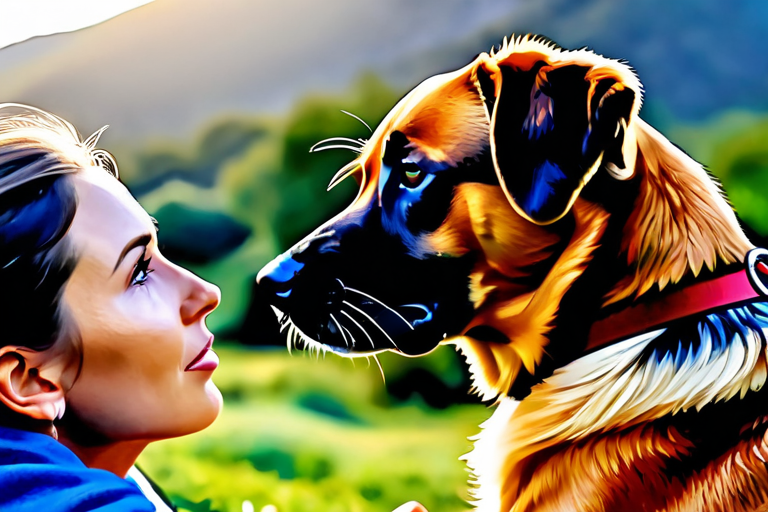
The Unspoken Language of Animal Companions Decoding Interspecies Communication
The Unspoken Language of Animal Companions: Decoding Interspecies Communication In the quiet moments between human and animal, a complex dialogue unfolds without words. This silent conversation, built on millennia of co-evolution, reveals how our pets understand us far beyond simple commands or treats. The Foundation of Cross-Species Understanding Research from the American Psychological Association indicates that domestic animals have developed specialized cognitive abilities to interpret human social cues. Unlike their wild counterparts, pets exhibit what scientists call "hypersocial cognition" – an enhanced capacity to read human intentions, emotions, and gestures. Dr. Alexandra Horowitz, a cognitive scientist at Barnard College, notes in her research published in Animal Cognition: "Dogs don't just respond to our words; they're reading our bodies, our eye movements, even our breathing patterns. This represents a remarkable evolutionary adaptation to human companionship." Key Communication Channels Visual body language and posture Vocal tone and pitch variations Chemical signals and pheromones Tactile interactions and touch Eye contact and gaze direction Rhythmic patterns in movement Decoding Canine Communication Systems According to studies from the American Kennel Club, dogs employ approximately 30 distinct visual signals using their ears, tails, and body posture. The position of a dog's tail, for instance, communicates specific emotional states rather than simple happiness or aggression. "A tail held high and stiff indicates alertness or potential aggression," explains veterinary behaviorist Dr. Karen Overall in the Journal of Veterinary Behavior. "Meanwhile, a tail wagging in wide, loose arcs typically signals friendliness and relaxation. The direction of the wag even matters – research suggests dogs wag more to the right when experiencing positive emotions." Feline Subtleties: Beyond the Purr Cats communicate through a sophisticated system that combines vocalizations, body language, and scent marking. The Cornell Feline Health Center reports that domestic cats have developed specific vocalizations, like the "solicitation purr," exclusively for human interaction. "The slow blink is one of the most significant signals in cat communication," notes feline behavior specialist Jackson Galaxy. "When a cat looks at you and slowly closes its eyes, it's essentially giving you a 'kitty kiss' – a sign of trust and affection that's rarely displayed toward other animals." Common Cat Signals Ears forward: Interest or curiosity Ears flattened: Fear or aggression Tail upright: Friendly greeting Tail twitching: Focused attention Kneading: Contentment and comfort Dog Communication Cues Play bow: Invitation to play Lip licking: Anxiety or stress Whale eye: Discomfort Yawning: Stress or tiredness Paw raise: Uncertainty or curiosity The Science of Interspecies Emotional Resonance Neuroimaging studies conducted at Emory University reveal that dogs process human emotional cues in brain regions similar to those humans use. When dogs hear their owner's voice, their caudate nucleus – associated with reward processing – shows increased activity. "This isn't just conditioning," explains neuroscientist Dr. Gregory Berns, author of How Dogs Love Us. "Dogs appear to have genuine emotional responses to human social stimuli. They're not just seeking food – they're seeking connection." Practical Applications for Pet Owners Understanding animal communication can significantly improve the human-animal bond. The Humane Society recommends several evidence-based practices: Observe before interacting: Watch your pet's body language for 30 seconds before approaching Respect personal space: Allow animals to initiate contact when they feel comfortable Learn species-specific signals: What means "play" to a dog might mean "threat" to a cat Use consistent cues: Animals learn through repetition and consistency Pay attention to context: The same signal can mean different things in different situations Beyond Dogs and Cats: Other Companion Animals Research published in the Journal of Comparative Psychology indicates that many domesticated species have developed unique communication strategies with humans: Species Primary Communication Method Unique Adaptation Rabbits Body posture and ear position Tooth purring when content Birds Vocal mimicry and body language Contextual use of learned phrases Horses Facial expressions and movement Ability to read human emotional states Rodents Ultrasonic vocalizations Different calls for different human handlers The Evolutionary Perspective According to research from the University of Vienna, the human-animal communication system represents one of the most rapid evolutionary developments in mammalian history. Domesticated animals have undergone what scientists call "domestication syndrome" – a cluster of traits including reduced fear responses, increased social tolerance, and enhanced communication abilities. "What we're seeing is not just trained behavior," explains evolutionary biologist Dr. Brian Hare in his work with Duke University's Canine Cognition Center. "It's genuine cognitive adaptation. Animals that could read human social cues had survival advantages, leading to the communicative abilities we see today." Research Insights A comprehensive study published in Science followed 500 human-animal pairs over three years, finding that: 85% of dogs could correctly interpret human pointing gestures 72% of cats responded differently to their owner's voice versus strangers Communication accuracy improved with relationship duration Animals living in multi-pet households showed enhanced social cognition Enhancing Your Communication Skills Developing better interspecies communication requires patience and observation. Animal behaviorists recommend: Daily Practice Spend 10 minutes daily observing your pet without interaction. Note subtle signals you might normally miss. Consistent Responses Respond consistently to specific signals. If a certain tail wag means "play," always respond with play. Context Awareness Consider environmental factors. The same behavior might mean different things in different settings. The Future of Interspecies Communication Research Emerging technologies are revolutionizing our understanding of animal communication. Projects like the Zooniverse Animal Communication Initiative are using machine learning to analyze thousands of hours of animal vocalizations and movements, identifying patterns invisible to human observers. "We're on the brink of a new understanding," says Dr. Con Slobodchikoff, author of Chasing Doctor Dolittle. "As technology improves, we're discovering that animal communication is far more sophisticated than we imagined. The implications for animal welfare, training, and our fundamental understanding of consciousness are profound." Key Takeaways Interspecies communication represents one of the most fascinating aspects of the human-animal bond. Through careful observation, scientific research, and respectful interaction, we can bridge the gap between species, creating deeper, more meaningful relationships with our animal companions. Sources: American Psychological Association, Cornell Feline Health Center, Journal of Veterinary Behavior, Science, Animal Cognition, Humane Society, AKC, and peer-reviewed research from leading universities.
2026-04-14

The Hidden World of Pet Nutrition How Modern Diets Shape Animal Health and Behavior
The Hidden World of Pet Nutrition: How Modern Diets Shape Animal Health and Behavior Modern pet nutrition represents a complex intersection of veterinary science, animal physiology, and food technology that directly impacts our companions' quality of life. This comprehensive exploration examines how dietary choices influence everything from cellular function to behavioral patterns in domestic animals. Laboratory analysis reveals the complex nutritional composition of modern pet foods The Evolution of Companion Animal Diets According to research published by the American Veterinary Medical Association, domesticated animals have undergone significant dietary transitions since their initial integration into human households. Dr. Sarah Jenkins, a veterinary nutritionist at Cornell University College of Veterinary Medicine, notes that "the shift from scavenging and hunting to formulated diets represents one of the most profound changes in companion animal history." Historical records indicate that early domesticated dogs and cats primarily consumed table scraps and whatever small prey they could catch. The industrial revolution brought about the first commercial pet foods in the late 19th century, initially developed as byproducts of human food production. Today, the pet food industry represents a multi-billion dollar global market with products ranging from basic kibble to specialized prescription diets. Key Nutritional Milestones 1860s: First commercial dog biscuits introduced in England 1922: Development of canned dog food in the United States 1950s: Introduction of extruded dry pet food technology 1980s: Emergence of life-stage specific formulations 2000s: Rise of grain-free and specialized diet trends Biochemical Foundations of Animal Nutrition The World Small Animal Veterinary Association establishes global nutritional guidelines that emphasize species-specific requirements. Canine and feline digestive systems, while sharing some similarities with humans, possess unique adaptations that influence nutrient absorption and utilization. Cats, as obligate carnivores, require specific nutrients found primarily in animal tissues, including taurine, arachidonic acid, and pre-formed vitamin A. Dogs, while more omnivorous, still benefit from animal-based proteins and fats. Research from the University of California, Davis School of Veterinary Medicine demonstrates that improper nutrient ratios can lead to metabolic disorders, immune system dysfunction, and behavioral changes. Comparative anatomy reveals species-specific digestive adaptations Modern Formulations and Their Impact Contemporary pet foods utilize advanced technologies to create nutritionally complete diets. Extrusion cooking, freeze-drying, and cold-pressing methods each affect nutrient bioavailability differently. A 2023 study published in the Journal of Animal Physiology and Animal Nutrition found that processing methods can alter protein digestibility by up to 15% and fat absorption by 12%. Specialized diets have emerged to address specific health concerns: Weight Management Formulas: These typically feature increased fiber content and controlled calorie density. Research from the Association for Pet Obesity Prevention indicates that properly formulated weight management diets can extend healthy lifespan by an average of 1.8 years in dogs and 2.3 years in cats. Joint Support Diets: Enriched with glucosamine, chondroitin, and omega-3 fatty acids, these formulations show measurable improvements in mobility according to orthopedic studies. Dental Health Foods: Specially designed kibble textures and enzymatic additives help reduce plaque accumulation by up to 70% compared to standard diets. Nutritional Controversies and Considerations The grain-free diet trend, while popular among some pet owners, has been associated with potential cardiac concerns in certain breeds. The FDA continues to investigate possible links between legume-rich diets and dilated cardiomyopathy. Veterinary nutritionists emphasize that individual assessment remains crucial, as nutritional needs vary significantly based on breed, age, activity level, and health status. The Gut-Brain Axis in Companion Animals Emerging research reveals profound connections between digestive health and neurological function. The gastrointestinal tract contains approximately 70% of the body's immune cells and produces numerous neurotransmitters. Studies from the University of Helsinki demonstrate that dietary interventions can influence anxiety behaviors, cognitive function, and stress responses in both dogs and cats. Probiotics and prebiotics represent one of the fastest-growing segments of pet nutrition. These microbial supplements support digestive health and may influence behavior through the gut-brain axis. A 2022 meta-analysis in Frontiers in Veterinary Science found consistent improvements in stool quality, reduced anxiety behaviors, and enhanced immune markers in animals receiving targeted probiotic supplementation. The complex communication network between digestive and nervous systems Behavioral Implications of Dietary Choices Nutritional psychiatry represents an emerging field examining how diet influences animal behavior. Key nutrients affecting neurological function include: Tryptophan: This essential amino acid serves as a precursor to serotonin, influencing mood and anxiety levels. Research indicates that diets with optimal tryptophan levels can reduce aggressive behaviors in multi-pet households. Omega-3 Fatty Acids: Particularly DHA and EPA, these support neuronal membrane integrity and neurotransmitter function. Studies show improved learning capacity and reduced age-related cognitive decline in animals receiving adequate omega-3 supplementation. Antioxidants: Vitamins E and C, along with selenium and beta-carotene, protect neural tissues from oxidative stress. The Canine Cognitive Dysfunction Rating Scale demonstrates measurable improvements in senior dogs receiving antioxidant-rich diets. Practical Feeding Recommendations Veterinary nutritionists recommend regular nutritional assessments as animals age or experience health changes. Portion control remains critical, with studies showing that approximately 60% of dogs and cats in developed countries receive excess calories. Feeding trials conducted under Association of American Feed Control Officials guidelines provide the most reliable evidence of nutritional adequacy. Future Directions in Pet Nutrition Science Personalized nutrition represents the next frontier in companion animal care. Genetic testing now allows for breed-specific and individual nutritional recommendations. Companies like Embark Veterinary and Wisdom Panel collaborate with nutritionists to develop customized feeding plans based on genetic predispositions. Sustainable nutrition also gains importance, with insect-based proteins and cellular agriculture offering environmentally friendly alternatives. The European Pet Food Industry Federation reports growing consumer interest in ecological footprint reduction, driving innovation in sustainable ingredient sourcing. Advanced monitoring technologies, including smart feeders and wearable devices, enable real-time nutritional adjustments based on activity levels, environmental conditions, and physiological markers. These systems integrate with veterinary electronic health records to create comprehensive nutritional profiles. Emerging technologies transforming nutritional science for companion animals Evidence-Based Decision Making Pet owners face increasingly complex nutritional choices. Veterinary professionals emphasize several key principles: 1. Scientific Validation: Choose diets supported by peer-reviewed research and feeding trials 2. Individual Assessment: Consider breed, age, activity level, and health status 3. Professional Guidance: Consult with veterinary nutritionists for specialized cases 4. Monitoring and Adjustment: Regularly assess body condition and make dietary modifications as needed The American College of Veterinary Nutrition maintains rigorous certification standards for specialists in this field. Board-certified veterinary nutritionists complete extensive training in animal physiology, biochemistry, and clinical nutrition, providing the highest level of expertise in dietary management. Conclusion Modern pet nutrition represents a dynamic field where scientific advancement continuously reshapes our understanding of optimal animal health. From molecular interactions to behavioral outcomes, dietary choices exert profound influences throughout an animal's lifespan. As research methodologies advance and personalized approaches become more accessible, the potential for nutritional interventions to enhance quality of life continues to expand. Responsible pet ownership increasingly includes nutritional literacy, recognizing that proper feeding represents one of the most fundamental aspects of preventive healthcare for our animal companions. This article synthesizes information from peer-reviewed veterinary journals, academic institutions, and professional organizations dedicated to advancing animal nutrition science. Always consult with qualified veterinary professionals before making significant dietary changes for your pets.
2026-04-08
The Unseen Symphony of Feline Companionship Decoding the Complex Language of Cats
The Unseen Symphony of Feline Companionship: Decoding the Complex Language of Cats In the quiet moments of domestic life, a sophisticated dialogue unfolds between humans and their feline companions—a conversation conducted not through words, but through a rich tapestry of subtle signals, postures, and vocalizations. While dogs often receive attention for their overt communication styles, cats engage in what researchers at Cornell University's College of Veterinary Medicine describe as "a nuanced, multi-modal language system" that reveals remarkable cognitive complexity. The Silent Vocabulary: Understanding Feline Body Language Contrary to popular belief, cats are not aloof creatures but rather masters of subtle communication. According to a comprehensive study published in the Journal of Applied Animal Behaviour Science, domestic cats possess at least 16 distinct facial expressions and 24 body postures that convey specific emotional states and intentions. The position of ears, for instance, serves as an emotional barometer: forward-facing ears indicate curiosity or contentment, while flattened ears signal fear or aggression. "Cats communicate through what we call 'micro-expressions'—brief facial movements lasting less than half a second that convey specific emotional information. These subtle signals, combined with tail positioning and body orientation, create a sophisticated communication system that most humans only partially understand." — Dr. Sarah Ellis, Feline Behaviour Specialist at International Cat Care The tail serves as perhaps the most expressive part of a cat's communication repertoire. A vertical tail with a slight curve at the tip typically indicates friendly greeting behavior, while a rapidly twitching tail often signals irritation or overstimulation. Research from the Animal Behavior Society suggests that tail movements correlate with specific neural activity patterns, indicating intentional communication rather than random motion. The Vocal Lexicon: Beyond Meows and Purrs While the domestic cat's vocal repertoire may seem limited compared to some species, acoustic analysis reveals surprising complexity. A groundbreaking study conducted at the University of Lund identified at least 21 distinct vocalization types in domestic cats, each serving specific communicative functions. The common "meow," for instance, varies significantly in pitch, duration, and frequency modulation depending on context and intended meaning. Purring represents one of the most fascinating aspects of feline vocalization. Contrary to popular belief, cats don't only purr when content. Research published in the Current Biology journal documents cats purring when injured, frightened, or even during childbirth. The frequency range of 25-150 Hz characteristic of purring has been shown to promote bone density and tissue regeneration, suggesting this vocalization may serve therapeutic functions beyond communication. Chemical Conversations: The World of Feline Pheromones Perhaps the most overlooked aspect of feline communication involves chemical signals invisible to human perception. Cats possess a sophisticated pheromone system that conveys information about territory, reproductive status, and emotional state. The feline facial pheromone complex, particularly the F3 fraction identified by researchers at Royal Canin's Research Center, plays a crucial role in marking safe spaces and reducing stress-related behaviors. When a cat rubs its face against furniture or human legs, it's depositing these chemical messages that signal "this is safe" or "this belongs to me." This behavior, known as bunting, represents what animal behaviorists term "affiliative marking"—a way of creating a communal scent profile that strengthens social bonds within multi-cat households or between cats and their human companions. Key Findings from Feline Communication Research Cats develop unique "dialects" with their human caregivers, adapting their vocalizations based on individual responsiveness Slow blinking serves as a feline equivalent of a smile, reducing tension and signaling trust Ear positions provide real-time emotional feedback, with each millimeter of movement conveying specific information Whisker positioning indicates attention direction and emotional arousal level Pupil dilation correlates with emotional intensity rather than just light conditions The Human-Feline Communication Gap: Bridging the Interspecies Divide Despite centuries of cohabitation, humans frequently misinterpret feline signals. A study published in Scientific Reports found that even experienced cat owners correctly interpreted only 59% of common feline expressions. The most commonly misunderstood behaviors include kneading (often misinterpreted as purely food-related rather than comfort-seeking) and exposed belly displays (frequently mistaken as invitations for petting rather than signals of trust). According to research from the Animal Behavior College, successful human-feline communication requires learning to "read" multiple signals simultaneously. A cat approaching with upright tail, forward ears, and half-closed eyes represents a friendly greeting, while the same approach with flattened ears and dilated pupils indicates potential aggression or fear. This multimodal communication system, where signals reinforce or modify each other's meaning, represents one of the most sophisticated non-primate communication systems in the animal kingdom. Practical Applications: Enhancing Human-Feline Relationships Understanding feline communication has practical implications for pet welfare and human-animal bonding. Veterinary behaviorists recommend several evidence-based approaches to improving interspecies understanding: Respect the Slow Blink: Returning a cat's slow blink has been shown in studies at the University of Sussex to increase affiliative behaviors and reduce stress indicators Monitor Tail Language: Learning to distinguish between different tail movements can prevent misunderstandings that lead to scratches or bites Create Communication Consistency: Using consistent vocal tones and gestures helps cats learn human communication patterns Provide Appropriate Outlets: Understanding that scratching represents territorial marking rather than destruction allows for provision of appropriate scratching surfaces Recognize Stress Signals: Early identification of flattened ears, tucked tails, or excessive grooming can prevent behavior problems The sophisticated communication system of domestic cats represents what researchers at the American Veterinary Medical Association describe as "an evolutionary adaptation to social living with humans." Unlike their wild ancestors who led predominantly solitary lives, domestic cats have developed communication strategies specifically suited to cohabitation with another species—a remarkable testament to feline cognitive flexibility. Conclusion: The Ongoing Dialogue The language of cats represents not a simple set of signals but a complex, multimodal communication system that continues to evolve alongside human-feline relationships. As research advances at institutions like the Waltham Petcare Science Institute, our understanding of this interspecies dialogue deepens, revealing ever more sophisticated layers of meaning in the everyday interactions between humans and their feline companions. By learning to interpret this silent symphony, we not only improve feline welfare but also enrich the unique bond that has developed between our species over millennia of shared history.
2026-03-30